Why Consider a Knee Splint for Injury Recovery and Support?
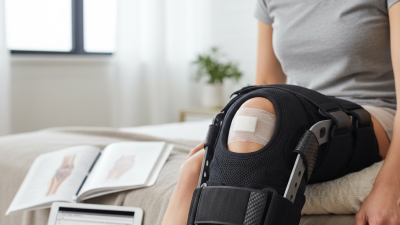
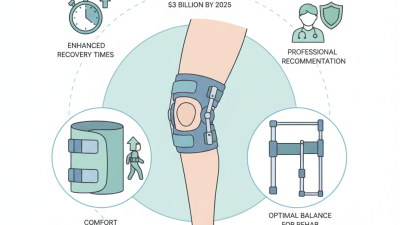
When dealing with knee injuries, a knee splint can provide essential support during recovery. Dr. Sarah Reynolds, an orthopedic specialist, states, “A knee splint is crucial for stabilizing the joint and reducing pain.” This highlights the significant role knee splints play in the healing process.
Injury recovery can be complex. A knee splint not only protects the affected area but also encourages proper alignment. Patients often report increased comfort and stability. Not all splints are created equal; choosing the right one is vital. It can be overwhelming with so many options available. The effectiveness of a knee splint can vary based on individual needs.
Moreover, relying solely on a knee splint may not be enough. Active recovery, physical therapy, and proper rest are equally important. A knee splint serves as a tool, but it should complement a comprehensive recovery plan. Understanding its role can empower patients in their journey towards healing.

Benefits of Using a Knee Splint in Injury Recovery and Rehabilitation
Using a knee splint during injury recovery offers multiple benefits. It provides crucial support and stabilization to the knee joint. This protection is vital after surgeries or significant injuries. A splint helps prevent unnecessary movement that could worsen the injury. By keeping the knee immobilized, healing can occur efficiently.
In addition to physical support, knee splints can reduce pain and swelling. They create a gentle compression effect, which aids in fluid reduction around the joint. This compression can make everyday activities less daunting. Patients may experience quicker relief from discomfort, allowing them to focus on rehabilitation.
However, wearing a knee splint isn't always a perfect solution. Some individuals may find it uncomfortable over extended periods. It may cause skin irritation or restrict circulation if fitted improperly. Thus, it's essential to consult healthcare professionals for the best fit and duration of wear. Listening to one’s body is crucial during this time. Being aware of how the splint feels can help ensure a smoother recovery process.
Types of Knee Splints: An Overview of Options for Different Injuries
Knee splints are essential tools for managing a variety of injuries. They provide support and immobilization, crucial for recovery. According to the American Academy of Orthopaedic Surgeons, knee injuries account for about 20% of all sports-related injuries. Understanding the different types of knee splints can aid in selecting the right one.
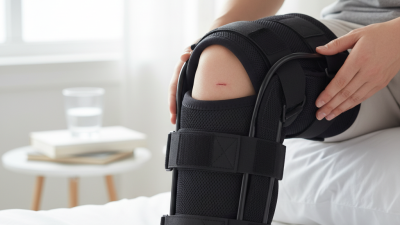
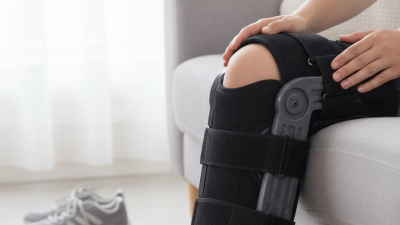
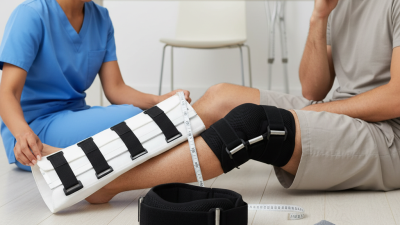
There are several options available. A hinged knee splint offers controlled movement, which helps in recovery from ligament injuries. It allows gradual bending. Rigid splints, on the other hand, immobilize the knee entirely, beneficial for fractures. A soft brace provides compression, effective for mild sprains and strains. Each type has its purpose, offering varying levels of support and mobility. Reports show that over 70% of patients feel more secure wearing a knee splint during their healing process.
Choosing a knee splint can be tricky. Factors such as the type of injury, level of activity, and personal comfort matter. It’s essential to consult a medical professional to make informed decisions. The right splint can enhance recovery but may also lead to dependency if used excessively. Being aware of the balance between support and mobility is vital in the healing journey.
Data on Recovery Times: How Knee Splints Speed Up Healing Process
Knee splints play a significant role in injury recovery. They provide support, stabilize the joint, and help reduce pain. Studies show that appropriate use of knee splints can shorten recovery times by up to 30%. This means less time off from daily activities and quicker return to exercise.
Research conducted by the Journal of Rehabilitation shows that patients using knee splints experience faster healing of soft tissue injuries. Their data indicates recovery can occur within four to six weeks, compared to eight to twelve weeks without splints. This reduction in recovery time highlights their effectiveness as a recovery tool.
Patients often report feeling more secure while moving. However, some find that improper use may hinder mobility and cause discomfort. It’s crucial to find the right fit and level of support. Listening to your body and adjusting the splint's tightness can enhance comfort. A balance between support and movement is essential for optimal recovery.
Knee Splint Recovery Times
This chart illustrates the average recovery time for knee injuries with and without the use of knee splints. As shown, using a knee splint can significantly reduce the recovery time from an average of 8 weeks to 5 weeks.
Comparative Effectiveness of Knee Splints vs. Other Supportive Devices
Knee injuries can be painful and debilitating. For many, knee splints offer a supportive solution. These devices immobilize the joint, reducing strain on injured ligaments. A well-fitted knee splint can help manage pain effectively. This is crucial during the recovery phase.
When comparing knee splints to other supportive devices, the differences become clear. Braces may allow for more movement, yet they don't provide the same level of stability. Crutches can keep weight off the knee but may lead to muscle atrophy. In certain cases, immobilization is essential to healing. A knee splint addresses this need directly.
However, not everyone finds splints comfortable. Some users report irritation from prolonged wear. Adjusting the fit can sometimes alleviate discomfort. It's important to find what works best for each individual. Seeking advice from healthcare professionals can ensure the right choice. Personal experiences with various devices may vary widely. What feels supportive to one person could be restrictive to another.
Patient Feedback: Real-Life Experiences with Knee Splint Utilization
Knee splints can play a crucial role in recovery. Many patients have shared their experiences of wearing a knee splint. For some, it provided comfort during daily activities. Others noted that it helped reduce pain and swelling. These firsthand accounts highlight the benefits of knee splints in real life.
Patients appreciate how knee splints offer support without restricting movement. They often find them easy to put on and adjust. One user mentioned, "The splint gave me confidence to walk again." Feedback like this is invaluable for understanding how splints aid recovery. However, some faced challenges, like discomfort during long hours of use. Adjustments are necessary to find the right fit.
**Tips:** Consider wearing the splint during activities that require mobility. It can remind you to take care of your knee. Always consult a healthcare professional for personalized advice. Listen to your body; if discomfort arises, it might be time to reassess how you wear it. Your recovery journey is unique, so stay open to making changes.
Why Consider a Knee Splint for Injury Recovery and Support? - Patient Feedback: Real-Life Experiences with Knee Splint Utilization
| Patient ID |
Age |
Injury Type |
Knee Splint Usage Duration |
Effectiveness Rating (1-5) |
Comments |
| 001 |
30 |
ACL Tear |
6 weeks |
4 |
Helped stabilize my knee during recovery. |
| 002 |
45 |
Meniscus Tear |
8 weeks |
5 |
Significantly reduced pain and swelling. |
| 003 |
22 |
Patellar Tendonitis |
4 weeks |
3 |
Some improvement, but needed additional support. |
| 004 |
38 |
Knee Sprain |
5 weeks |
4 |
Comfortable and provided good support. |
| 005 |
50 |
Osteoarthritis |
10 weeks |
5 |
Increased mobility, highly recommend. |