What is a Knee Immobilizer and How Does It Work?
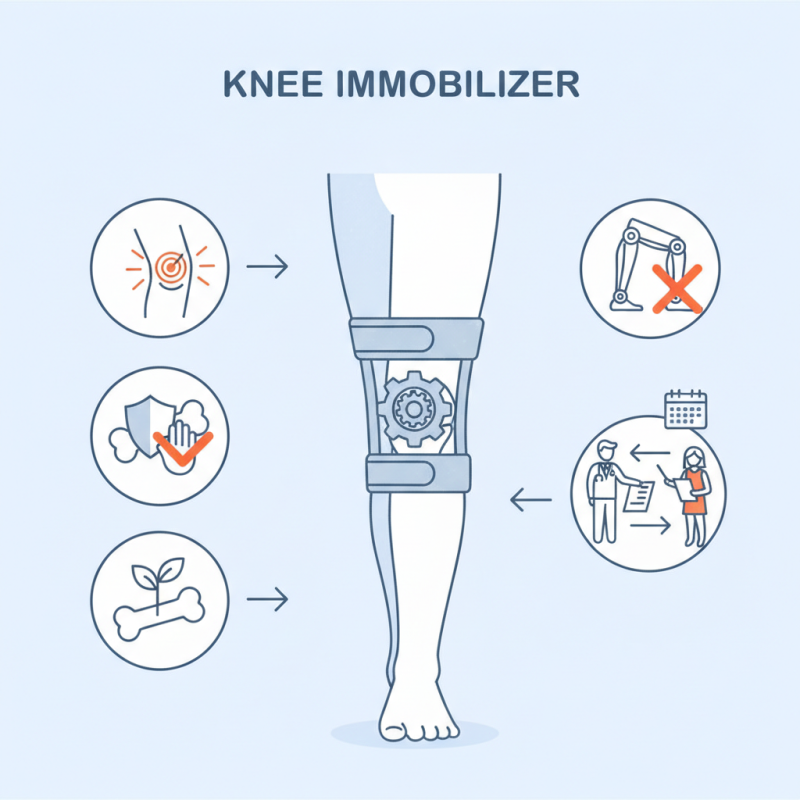
A knee immobilizer is a critical device in orthopedic care. It serves to stabilize the knee joint after injury or surgery. Understanding its function can empower patients in their recovery journey.
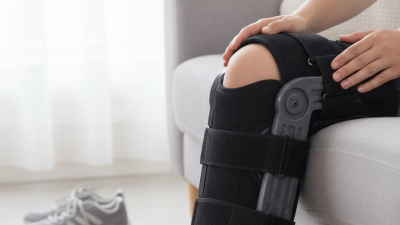
When a knee is injured, movement can be painful. A knee immobilizer limits this movement, providing essential support. It holds the knee in a fixed position, promoting healing. Patients often find comfort, knowing that their joint is secured.
However, it’s important to reflect on proper usage. Over-reliance on a knee immobilizer can lead to stiffness. Consulting a healthcare professional is vital. They can guide on the best practices for recovery. A knee immobilizer is beneficial but requires careful handling to ensure optimal outcomes.
What is a Knee Immobilizer?
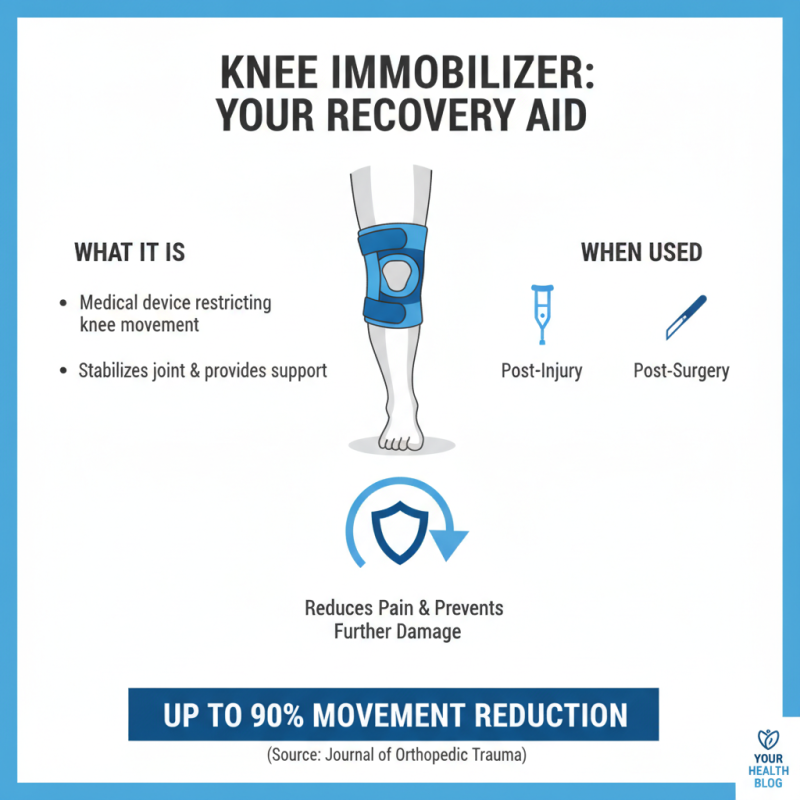
A knee immobilizer is a medical device designed to restrict movement in the knee joint. Typically used after injuries or surgeries, it stabilizes the joint, providing support during recovery. According to a study published in the *Journal of Orthopedic Trauma*, knee immobilizers can minimize movement in the knee by up to 90%. This restriction helps reduce pain and limits potential damage during the healing process.
These devices are often made from lightweight, breathable materials. They can be adjustable and customized to fit individual needs. A report from the American Academy of Orthopaedic Surgeons states that proper immobilization is crucial for effective healing. However, prolonged use can lead to stiffness or muscle atrophy. It’s important to balance mobility and immobilization. Some patients may find it uncomfortable, and physicians should monitor their recovery closely.
Knee immobilizers are essential for many conditions, including ligament tears, fractures, and post-surgical recovery. Yet, patients often struggle with adherence. Compliance may reduce effectiveness. A study in *Rehabilitation Psychology* highlighted that up to 30% of patients do not wear their immobilizers as prescribed. Addressing patient concerns and ensuring proper education can enhance recovery and improve outcomes.
The Purpose and Benefits of Using a Knee Immobilizer
Knee immobilizers are designed to restrict movement in the knee joint. This support is essential for those recovering from injuries or surgeries. By limiting movement, a knee immobilizer helps alleviate pain and promotes healing. It is a practical solution for various conditions, including ligament tears and fractures.
The primary purpose of a knee immobilizer is to provide stability. This stability aids in recovery, allowing tissues to heal correctly. Additionally, it can prevent further injury during the healing process. Users often report a sense of security when wearing one. It can be particularly beneficial for individuals who are active but need to protect an injured knee.
However, using a knee immobilizer comes with considerations. Prolonged use can lead to stiffness. Relying solely on it may weaken surrounding muscles. It is important to balance immobilization with appropriate rehabilitation exercises. Listening to medical advice can enhance recovery while avoiding potential complications.
Knee Immobilizer Usage Trends Over Time
This chart illustrates the increasing trends in the usage of knee immobilizers over the last five years, showcasing their growing popularity for rehabilitation and injury prevention.
How Does a Knee Immobilizer Work Mechanically?
A knee immobilizer is a crucial device for those recovering from knee injuries. It is designed to restrict movement and provide support. This is essential for proper healing. The mechanical function revolves around stabilizing the knee joint. It does so by using rigid components to limit flexion and extension.
The immobilizer typically features adjustable straps. These straps secure the device tightly around the leg. They help maintain the correct position without causing discomfort. When worn correctly, it prevents unnecessary movements that could worsen an injury. Proper alignment is key for effective healing.
Tips: Always ensure the immobilizer fits snugly, but not too tight. Regularly check for signs of irritation on the skin. When possible, move in a safe range prescribed by a healthcare professional. Listening to the body is crucial during recovery. Some may find the adjustment period challenging, but patience is vital.
Types of Knee Immobilizers Available in the Market
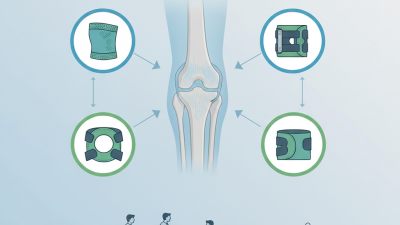
Knee immobilizers play a significant role in the rehabilitation of knee injuries. They help stabilize the joint and promote healing. Several types of knee immobilizers are available on the market, each tailored to specific needs.
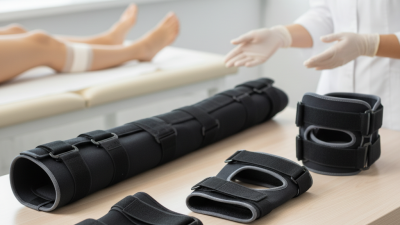
There are basic knee immobilizers, often made from foam and Velcro. These are simple yet effective for minor injuries. Then, there are more complex designs that feature hinges. These hinged immobilizers allow for some movement while still offering protection. They are ideal for recovery from surgeries.
Some immobilizers come with additional padding and adjustable straps. These features enhance comfort and can aid in the healing process. However, selection can be tricky. Users must consider the type of injury and their comfort level. It's important to consult a medical professional before making a choice. Each option has its pros and cons. Becoming educated can help with informed decisions.
When to Use a Knee Immobilizer and Precautions to Consider
A knee immobilizer is a vital device for managing knee injuries. It restricts movement by holding the knee in a stable position. This immobilization aids in reducing pain and prevents further damage during recovery. According to a report from the American Academy of Orthopaedic Surgeons, proper use of immobilizers can significantly improve healing outcomes in patients with knee injuries.
When using a knee immobilizer, awareness of certain precautions is critical. Ensure that the device is fitted correctly to avoid skin irritation or other complications. Monitoring circulation is essential; check for any numbness or swelling. Symptoms of discomfort can indicate a need for readjustment. Individuals with existing conditions such as diabetes or vascular disorders should consult a healthcare professional. Data from the Journal of Orthopaedic Research indicates that improper use can lead to complications, emphasizing the importance of guidance from healthcare providers during the recovery process.
Engaging in physical therapy may complement the use of a knee immobilizer. Rehabilitation can strengthen surrounding muscles and improve flexibility. However, rushing through this process can lead to setbacks. Each recovery journey is unique; individual experiences may vary significantly. Understanding the nuances of your condition and remaining patient is essential for long-term recovery.