How to Choose the Best Knee Splint for Your Needs?
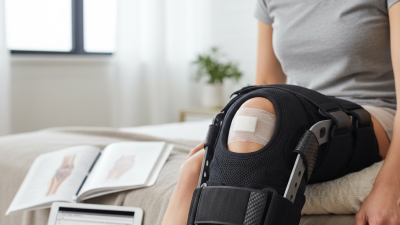
Selecting the right knee splint can be crucial for recovery and comfort. Dr. Sarah Blake, an orthopedic specialist, emphasizes, "A proper knee splint should fit well and offer the right support." Understanding your needs will guide your choice and enhance your healing process.
Knee splints come in various designs, materials, and levels of support. It is essential to consider your specific condition. Some splints are made for immobilization, while others allow for movement. Misjudging your requirements can lead to prolonged discomfort.
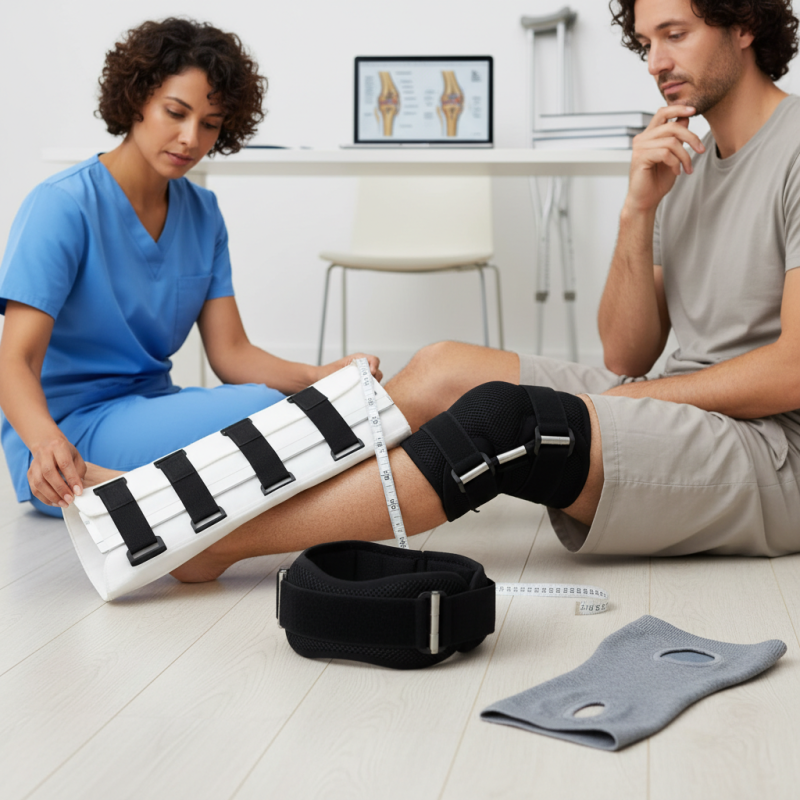
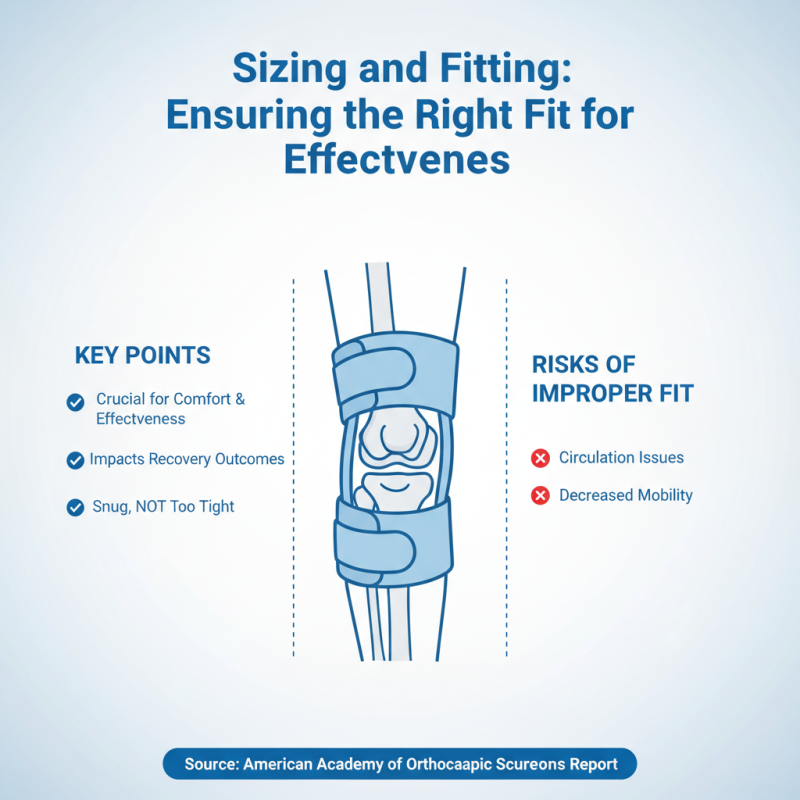
While many overlook the importance of fit, it can make or break your experience. An ill-fitting knee splint may cause more harm than good. Seek expert advice to find a splint tailored to your needs. Remember, a well-chosen knee splint can accelerate your recovery significantly.
Understanding Knee Splints: Types and Functions
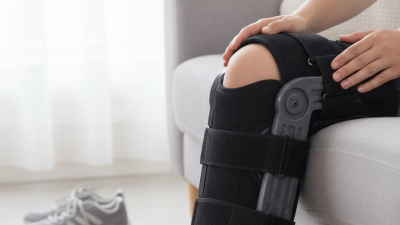
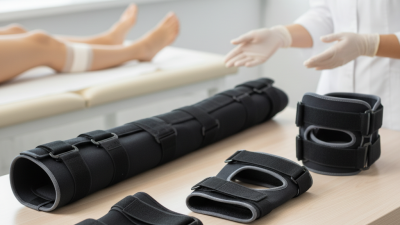
When selecting a knee splint, understanding the types and their functions is crucial. There are several types, each designed for specific needs. For example, a hinged splint allows for controlled movement, while a compression splint offers support and reduces swelling. Knowing which type suits your injury can expedite your recovery.
Tips: Consider your activity level. If you lead an active lifestyle, a more flexible splint may work better. For those requiring stable immobilization, a rigid splint is a wiser choice. Also, evaluate the level of pain you experience. This can influence the type of support needed.
Different splints serve diverse functions. Some are designed for rehabilitation, while others focus on pain relief. It’s essential to assess your specific conditions, such as ligament injuries or postoperative recovery. Not all splints will provide the same level of comfort. The fit is critical; an ill-fitted splint can cause more harm than good.
Tips: Always check the materials used in the splint. Breathable fabrics can enhance comfort. If you experience any discomfort, seek advice on alternatives. Adjusting how tight the splint is can also make a difference. Finding the right balance between support and comfort is key.
Identifying Your Specific Knee Injury or Condition
Choosing the right knee splint starts with understanding your specific injury or condition. Different injuries, such as ligament tears, tendinitis, or arthritis, require different types of support. For example, if you have a ligament injury, you may need a splint that provides stability and limits movement.
Pay attention to the type of pain you feel. Is it sharp, dull, or constant? This can help determine the kind of splint you need. Additionally, consider any swelling or inflammation. A splint designed for swelling often has adjustable features for comfort.
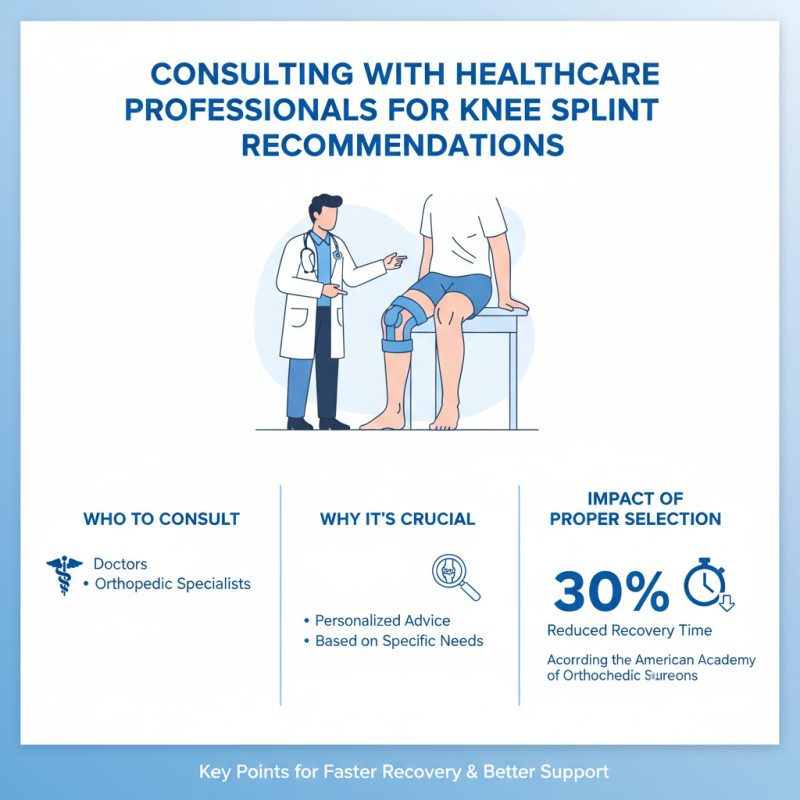
Tips: Look for materials that offer both support and breathability. Ensure the splint fits snugly but isn’t overly restrictive. It’s also wise to consult a healthcare professional to assess your specific needs before purchasing. Understanding these aspects can help you make a more informed decision. Reflect on your daily activities, as some splints may limit mobility and impact your routine. Finding the right balance between support and ease of use is essential.
How to Choose the Best Knee Splint for Your Needs? - Identifying Your Specific Knee Injury or Condition
| Knee Condition |
Recommended Splint Type |
Features |
Level of Support |
Usage Suggestions |
| ACL Injury |
Hinged Knee Splint |
Adjustable hinges, breathable materials |
High Support |
Post-surgery recovery, sports rehabilitation |
| Patellar Tendonitis |
Patellar Strap |
Targeted compression, lightweight |
Medium Support |
During physical activity, gradual easing of symptoms |
| Meniscus Tear |
Neoprene Knee Brace |
Heat retention, flexible support |
Medium to High Support |
To reduce swelling, everyday activities |
| Arthritis |
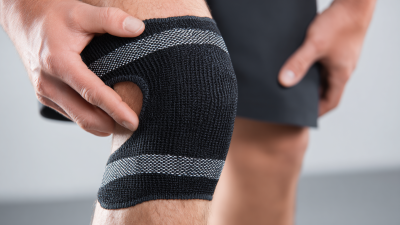
Compression Sleeve |
Gentle compression, warmth |
Low to Medium Support |
For daily use, mild pain relief |
| Sprains |
Wrap Around Support |
Adjustable straps, versatile fit |
Medium Support |
After injury, during rehabilitation exercises |
Evaluating Material and Design for Comfort and Support
When selecting a knee splint, the material and design play crucial roles in ensuring comfort and support. Breathable fabrics are essential to prevent irritation and excessive sweating during use. Opt for splints with moisture-wicking capabilities for better comfort over extended wear. Look for splints made with a combination of soft and supportive materials, as they can provide the necessary stability without compromising flexibility.
Design is equally important. Adjustable straps can enhance fit and support. A poorly fitting splint can lead to discomfort and potential injury. Ensure the splint contours well to your knee's natural shape. Some designs offer extra padding, which can make a significant difference in comfort. Consider splints that provide both immobilization and movement flexibility. However, the right balance can be challenging to find.
Ultimately, consider your specific needs. Your activity level matters greatly. A splint used during sports requires a different design than one for everyday support. Assess how much movement you need. Reflect on your body’s unique requirements. The best knee splint is one that meets your comfort needs while providing ample support.
Comparison of Knee Splint Materials and Comfort Levels