Best Knee Immobilizer Options for Enhanced Recovery?
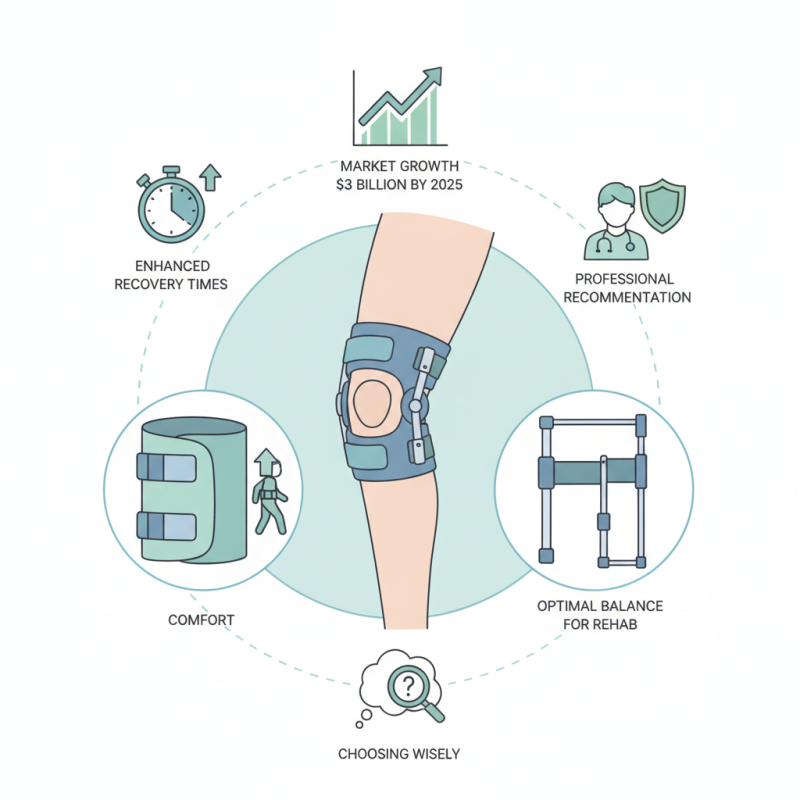
Knee injuries can significantly impact mobility and quality of life. Effective recovery often relies on proper immobilization. The demand for high-quality knee immobilizers has grown in recent years. According to a report from Market Research Future, the knee brace market is expected to reach $3 billion by 2025. This highlights the importance of selecting the right knee immobilizer.
Dr. Emily Roberts, a leading expert in orthopedic rehabilitation, states, "Choosing the right knee immobilizer can greatly enhance recovery times and overall results." Her insights emphasize that not all knee immobilizers are created equal. The choice of material, design, and adjustability can impact comfort and effectiveness. Many users report feeling overwhelmed by the variety of options available.
It is essential to consider reviews and professional recommendations. Some immobility devices can restrict movement too much, hindering rehabilitation efforts. Others may not provide adequate support, risking further injury. The right balance is crucial for optimal recovery. Choosing wisely requires careful assessment of individual needs and circumstances.
Understanding Knee Immobilizers and Their Benefits
Knee immobilizers are crucial for recovery after injuries or surgeries. They stabilize the knee, limiting movement and allowing healing. Studies show that immobilization can reduce pain and swelling significantly. A report by the Journal of Orthopedic Research indicates effective immobilization can speed up the healing process by up to 30%.
Choosing the right immobilizer matters. Look for features like adjustability and comfort. A poorly fitting brace can lead to complications. Some users report discomfort, which may hinder movement. It's essential to assess the fit regularly. Regular adjustments ensure the immobilizer supports healing without causing additional strain.
The benefits of knee immobilizers go beyond physical support. Mental reassurance plays a critical role in recovery. Knowing the knee is stabilized helps patients feel secure. A qualitative study in the American Journal of Sports Medicine highlights a direct correlation between mental comfort and recovery rates. Patients who feel supported tend to actively engage in their rehabilitation processes, further enhancing recovery outcomes.
Factors to Consider When Choosing a Knee Immobilizer
When selecting a knee immobilizer, several factors are essential for effective recovery. Comfort is paramount. The material should be soft against the skin to avoid irritation. Adjustable straps can enhance fit and prevent discomfort during prolonged use. The design should allow for adequate padding, especially around sensitive areas.
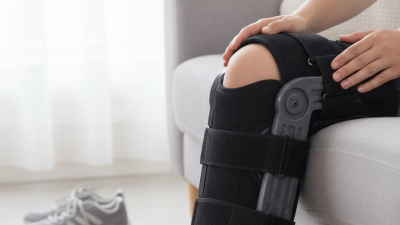
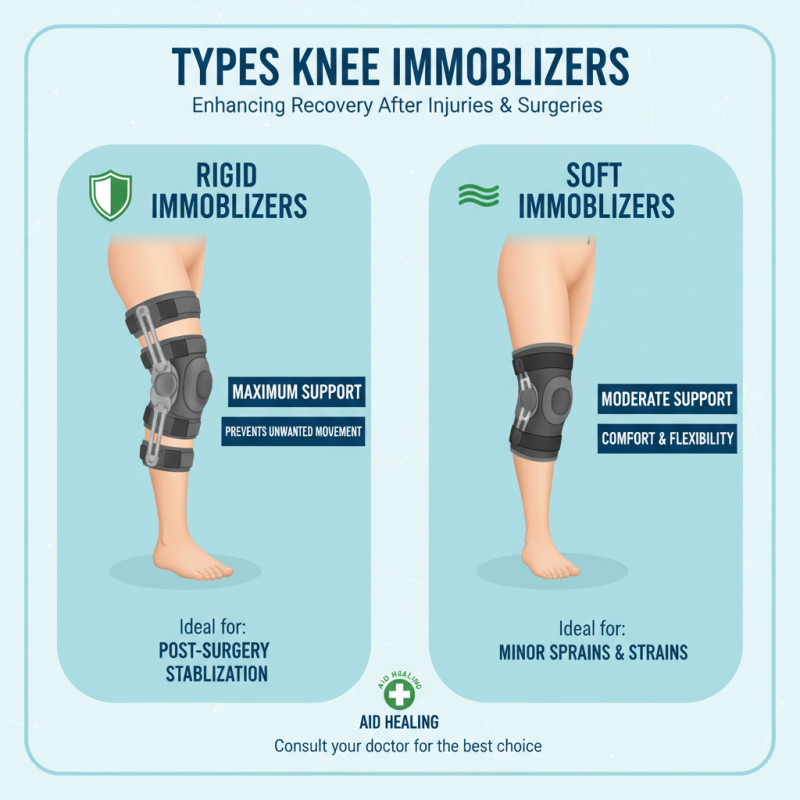
Stability is another crucial aspect. A good knee immobilizer should limit movement while providing enough support for the healing process. Rigid models may be necessary for severe injuries, while softer versions may suffice for milder conditions. It is important to assess your personal needs and consult with a healthcare professional before making a choice.
Finally, consider the ease of use. A knee immobilizer should be simple to put on and take off, especially for those recovering from surgery. Some designs are clunky and can be cumbersome for daily tasks. Evaluate how practical the immobilizer is for your lifestyle. Balancing comfort, support, and usability can be challenging, but it is necessary for a smooth recovery journey.
Best Knee Immobilizer Options for Enhanced Recovery
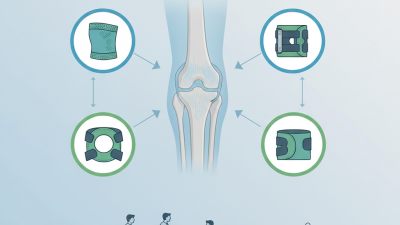
This bar chart represents the evaluation metrics for various knee immobilizers, focusing on comfort level, support level, durability, adjustability, and price, rated on a scale from 1 to 10. Choosing the right knee immobilizer is crucial for enhanced recovery.
Top Recommended Knee Immobilizers for Recovery
When recovering from knee injuries, selecting the right immobilizer is crucial. Knee immobilizers offer support and stability, which can significantly reduce recovery time. According to a recent industry report, proper immobilization can cut rehabilitation duration by up to 30%. This emphasizes the need for suitable options tailored to individual requirements.
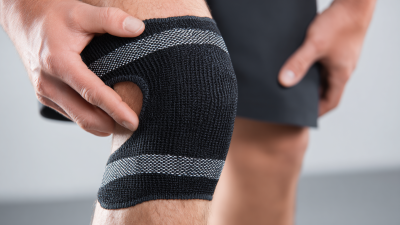
Several knee immobilizers stand out for their effectiveness. These devices ensure the knee remains in a fixed position, promoting healing. They should provide a balance between comfort and rigidity. Many experts recommend immobilizers that feature breathable fabric. Such materials enhance comfort during prolonged use. However, not all immobilizers fit well for every user, making it essential to try different options.
Reviews of knee immobilizers often reveal mixed opinions. Some users appreciate the lightweight design while others struggle with fit issues. A study noted that nearly 25% of patients reported discomfort due to improper sizing. This showcases the importance of personalized selection in the recovery process. While various models exist, understanding their unique advantages is vital for effective rehabilitation.
Care and Maintenance Tips for Knee Immobilizers
Knee immobilizers are essential for recovery after injuries or surgery. Caring for your immobilizer helps ensure it functions effectively. Regular cleaning is crucial. Use mild soap and water to remove dirt and sweat. Always air dry it completely to avoid odor and bacteria growth. Check for any signs of wear and tear. A damaged immobilizer may not provide adequate support.
Adjusting the straps correctly is also vital. Ensure your immobilizer fits snugly but not too tight. This prevents circulation issues. Monitor your skin regularly for any pressure marks. If you notice irritation, it’s wise to rethink your adjustments. Sometimes discomfort indicates the need for a different design or an updated fitting.
Be mindful of how you store your immobilizer. Keep it in a cool, dry place. Avoid folding it, as this can cause damage. Reflect on your recovery progress. If mobility seems hindered, consult a healthcare professional. Your journey to recovery is unique, and adjustments may be necessary along the way. Prioritize your comfort and the effectiveness of your knee immobilizer throughout the healing process.