10 Essential Tips for Using a Shoulder Immobilizer Effectively
Dr. Emily Carter, an expert in orthopedic rehabilitation, emphasizes the importance of proper use of a Shoulder Immobilizer. She states, “A Shoulder Immobilizer can greatly enhance recovery if used correctly.” This highlights the significance of understanding how to effectively utilize this device for optimal healing.
Using a Shoulder Immobilizer is not as simple as it seems. It requires careful attention to details, such as ensuring a comfortable fit and adjusting the straps properly. Many patients underestimate the role of this device in their rehabilitation process. It's crucial to remember that the immobilizer is designed to limit movement and protect the shoulder from further injury.
Implementing these ten essential tips can make a substantial difference in recovery. Each tip serves to improve comfort, functionality, and overall healing time. However, users must remain vigilant about their own experiences and adapt the device to fit their specific needs. Reflecting on the usage can lead to better outcomes while helping to prevent setbacks during the healing journey.

Understanding Shoulder Immobilizers: Purpose and Importance
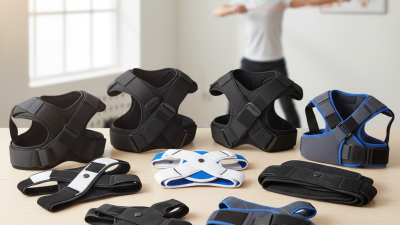
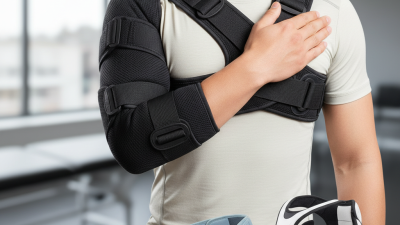
Shoulder immobilizers serve to stabilize the shoulder joint and promote healing. After injuries or surgeries, these devices play a crucial role. They help limit movement and prevent further damage. Understanding their purpose can enhance recovery.
When using a shoulder immobilizer, fit is key. The device should feel snug but not restrict circulation. Check for any signs of discomfort. If you experience numbness or tingling, reassess the fit. Regular adjustments may be necessary to ensure proper alignment.
Another important tip is to maintain hygiene. Clean the immobilizer as directed. This prevents skin irritation and infections. While the immobilizer is essential, monitor your shoulder's condition closely. If pain persists, seek medical advice. Your recovery may require professional intervention.
Effectiveness of Shoulder Immobilizer Usage Tips
This bar chart presents the effectiveness ratings of various tips for using a shoulder immobilizer effectively, on a scale of 1 to 10. Each tip is crucial for ensuring proper usage and maximizing the benefits of the immobilizer.
Selecting the Right Type of Shoulder Immobilizer for Your Condition
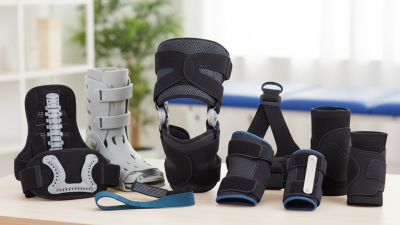
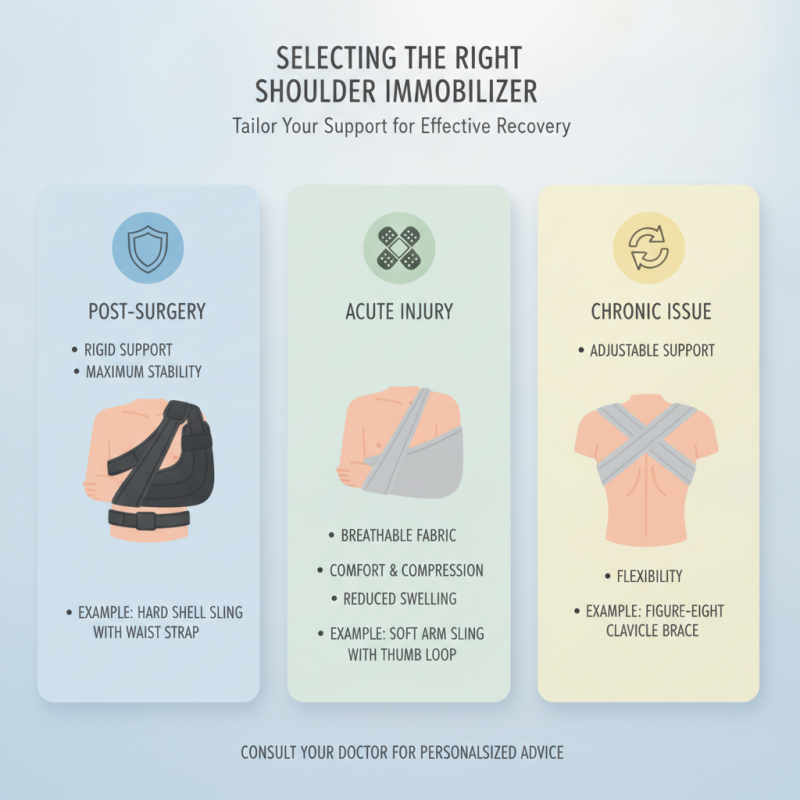
Choosing the right type of shoulder immobilizer is crucial for effective recovery. Consider your specific condition. Are you recovering from surgery, an injury, or a chronic issue? Each situation may require different types of support. For post-operative care, a more rigid model could provide necessary stability. On the other hand, for injuries, a breathable fabric may help you stay comfortable during recovery.
It’s important to consult with a healthcare professional before making a choice. Their expertise can steer you in the right direction. They might suggest an immobilizer with adjustable straps for a custom fit. This can be especially helpful since comfort is key over prolonged use. Pay attention to your body’s signals. If you experience discomfort, it may indicate that the fit is wrong.
Don't underestimate the significance of proper sizing. An incorrect size can hinder your healing process. Measure your shoulder before selecting a device. Look for materials that are soft against your skin to avoid irritation. But remember, not every material will suit everyone. What works for one person may cause problems for another. Keep these factors in mind as you navigate your recovery journey.
Proper Fitting Techniques for Comfort and Optimal Healing
When using a shoulder immobilizer, proper fitting is crucial for both comfort and healing. Research indicates that improper fitting can hinder recovery and cause additional pain. According to a study published in the Journal of Orthopedic Research, about 30% of patients report discomfort due to poorly fitted immobilizers. This discomfort can affect adherence to wearing the device as prescribed.
Achieving a snug fit requires attention to detail. Start by adjusting the straps. They should be tight but not constrictive. You should easily slide a finger between the strap and your skin. Observe the positioning of the immobilizer on your shoulder. It should not press against your neck or ribcage. Wearing a light, breathable fabric underneath can also enhance comfort. In clinical settings, experts recommend regular check-ins to reevaluate fit since swelling can change your shoulder's size during recovery.
Patients often overlook how vital this initial fitting is. They may experience irritation or restricted blood flow if neglected. Engaging with a healthcare professional for adjustments is advisable. About 20% of users end up modifying their devices at home, which can lead to misuse. This leads to uneven healing and unanticipated complications. Focus on getting it right the first time. It significantly impacts your road to recovery.
10 Essential Tips for Using a Shoulder Immobilizer Effectively
| Tip |
Description |
| 1. Choose the Right Size |
Ensure the immobilizer fits snugly but comfortably to prevent additional injury. |
| 2. Follow Manufacturer Instructions |
Read the manual for specific fitting and wearing guidelines to optimize support. |
| 3. Adjust Straps Properly |
Make sure all straps are adjusted for a balanced fit without being too tight. |
| 4. Monitor Skin Condition |
Check for irritation or pressure points and adjust the immobilizer as needed. |
| 5. Utilize Padding |
Use extra padding around the shoulder if recommended to improve comfort. |
| 6. Practice Restricted Movement |
Limit shoulder movement as per your healthcare provider's advice for proper healing. |
| 7. Schedule Follow-up Appointments |
Regular visits to your doctor can help monitor healing progress. |
| 8. Avoid Overexertion |
Do not engage in activities that could strain your shoulder or affect recovery. |
| 9. Consider Physical Therapy |
Consult with a therapist to learn exercises that can aid recovery without strain. |
| 10. Stay Informed |
Educate yourself about your injury and recovery process to better manage your care. |
Duration of Use: Guidelines from Orthopedic Experts
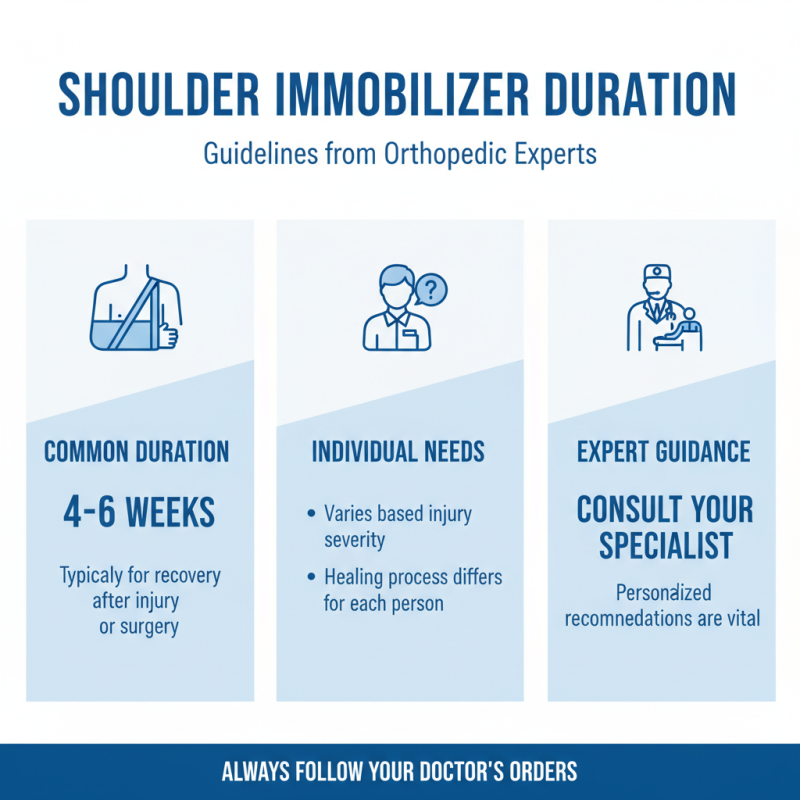
A shoulder immobilizer is crucial for recovery after an injury or surgery. Experts recommend specific durations for its use. Generally, wearing it for 4 to 6 weeks is common. However, individual needs vary based on injury severity. Consulting with your orthopedic specialist is vital. They provide personalized guidelines based on your healing process.
Proper usage is essential for effectiveness. Ensure the immobilizer fits snugly but not too tight. Adjust the straps carefully to avoid discomfort. It's important to follow pain management protocols while using it. Over-relying on the immobilizer can lead to stiffness. Incorporating gentle exercises, as advised by your doctor, can aid recovery.
Stay attuned to your body. If you notice increased pain or swelling, seek immediate medical advice. Your journey to recovery needs patience. It’s easy to feel frustrated with limitations. Maintaining a positive attitude can make a difference. Keep communication open with your healthcare provider. Regular check-ins can ensure you’re on the right track.
Potential Risks and How to Avoid Complications During Use
Using a shoulder immobilizer can be essential for recovery. However, potential risks arise during its use. Improper fitting may lead to discomfort. Additionally, wearing it for too long can cause stiffness. Always consult a healthcare professional when adjusting your immobilizer.
Monitoring skin condition is crucial. Look for irritation, redness, or swelling. These signs can indicate a problem. Make sure to adjust the fit if any discomfort starts. Regularly check your shoulder's range of motion, even when immobilized. This ensures you avoid long-term complications.
Engage in light activity as advised. Do not completely immobilize the shoulder without guidance. Rely on the advice of professionals. They can help you determine when to cautiously regain movement. Remember, the aim is recovery, not rigidity.