Top Shoulder Braces for Optimal Support and Pain Relief?
In recent years, shoulder braces have become increasingly popular for those seeking support and pain relief. Dr. Emily Carter, a leading physical therapist, states, "The right shoulder brace can stabilize the joint and alleviate pain effectively." This insight highlights the importance of choosing the right brace for individual needs.
Shoulder braces come in various designs and materials, aimed at different types of injuries or discomfort. Whether recovering from surgery or managing chronic pain, finding the right fit is crucial. Many users report a lack of comfort or inadequate support, suggesting the need for careful selection.
Though they can provide significant benefits, some braces may not suit everyone. Each individual's body and injury are unique. Thus, consulting with a healthcare professional can ensure you make an informed decision. With the right guidance, shoulder braces can enhance your recovery and improve your quality of life.

Top Benefits of Using Shoulder Braces for Pain Management
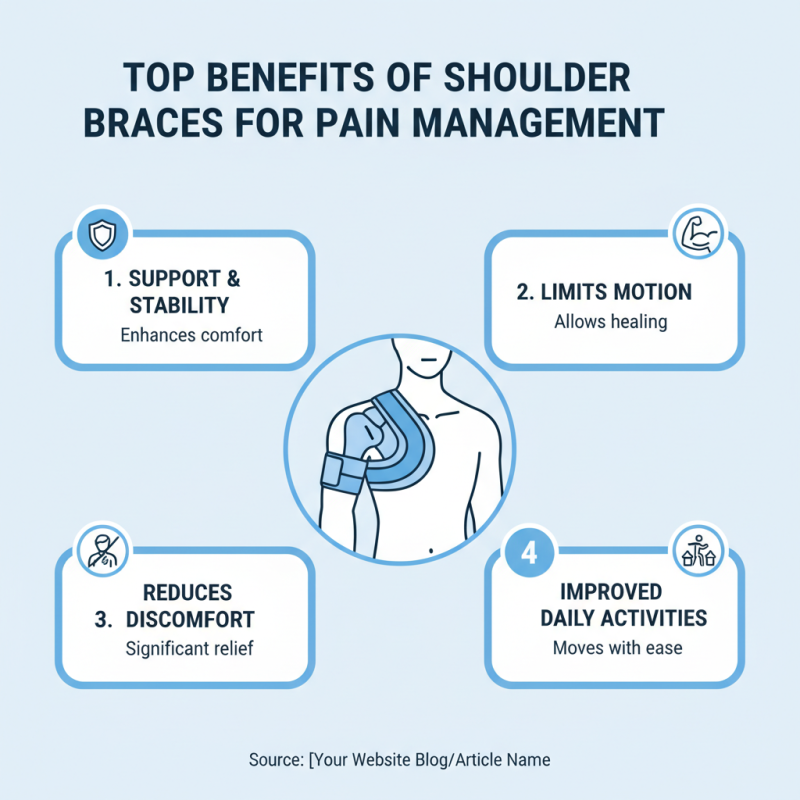
Shoulder braces play a vital role in pain management. They provide support and stability, enhancing comfort during daily activities. When the shoulder is injured, movement can aggravate pain. Braces limit this motion, allowing the injured area to heal. Many users report a significant reduction in discomfort when using these supports.
Moreover, proper alignment is crucial. Shoulder braces help maintain optimal positioning. This reduces strain on muscles and joints. Enhanced circulation can also promote healing. However, one should not depend solely on a brace. It is essential to combine its use with physical therapy and exercises. Some people may find braces cumbersome or find them restricting. Finding the right fit is key.
In conclusion, shoulder braces offer numerous benefits for pain relief and support. They can help you live more comfortably during recovery. Listening to your body’s feedback is important. Each person's experience is unique, and so is recovery. Working closely with a healthcare professional can guide you in the right direction.
Types of Shoulder Braces Based on Support Levels and Conditions
When choosing a shoulder brace, it's essential to understand the types available based on support levels. There are three primary categories: mild, moderate, and maximum support. Mild support braces often feature adjustable straps. They provide basic stabilization for minor injuries or general soreness. These are suitable for people with mild discomfort who engage in daily activities.
Moderate support braces offer more structure. They typically include additional straps and padded areas. These braces are helpful for those recovering from strains or tears. They help stabilize the joint while allowing a good range of motion. These options can also enhance confidence during physical activities.
Maximum support braces are designed for severe injuries or post-surgery recovery. These often have rigid components. They immobilize the shoulder to prevent further damage. While highly effective, they can restrict movement significantly. It's crucial to consult a healthcare professional when selecting this type. Finding the right brace can be a trial-and-error process; not all braces work for every individual.
Key Materials Used in Shoulder Brace Design and Their Impact
Shoulder braces play a crucial role in both support and pain relief. The materials used in their design significantly influence their effectiveness. Common materials include neoprene, elastic fabrics, and rigid plastics. Neoprene is popular for its compression qualities. It offers warmth and stability, which can alleviate pain for many users. Elastic fabrics, on the other hand, provide flexibility. They allow for natural movement while still offering support.
A recent study in the Journal of Orthopedic Research highlights that braces made from breathable materials can lead to higher user satisfaction. Participants reported enhanced comfort during physical activity. In some cases, they preferred these breathable options over traditional designs. Rigid braces, while effective for immobilization, can lead to skin irritation or discomfort. This irritation often causes users to wear them less frequently.
Despite advancements in materials, the ideal brace design varies among individuals. Some users may find that certain materials irritate their skin, leading to unnecessary constraints. Others report that finding the right size is challenging. This can impact the brace's ability to provide optimal support. Understanding these nuances is vital for anyone exploring shoulder brace options.
Guidelines for Choosing the Right Shoulder Brace for Your Needs
Choosing the right shoulder brace requires careful consideration. Over 30% of adults experience shoulder pain at some point. A good brace can provide essential support and alleviate discomfort. Look for a product that offers adjustable straps. This feature ensures a snug fit that can accommodate different body types.
Material matters. High-quality braces are made from breathable, moisture-wicking fabric. This keeps the skin dry and reduces irritation. Look for braces that feature soft padding for added comfort. Remember, maintaining mobility while providing support is crucial. Some braces are too restrictive, limiting daily activities.
Consider the severity of your condition. A light brace may suffice for mild aches, but a more robust option is necessary for injuries. Not every brace fits every need. It’s essential to consult healthcare professionals for tailored advice. The effectiveness of a brace can vary based on individual circumstances. Pay attention to your body’s response and adjust your choice accordingly. Gathering insights from trusted sources can enhance your decision-making process.