Best Plaster Bandage for Your Needs How to Choose?
Choosing the right Plaster Bandage is crucial for effective patient care. In recent years, the medical supply market has evolved significantly. According to a report by Market Watch, the demand for plaster bandages has increased by 15% annually. This growth shows the importance of selecting quality materials for both home and professional use.
The ideal Plaster Bandage offers durability and comfort. Various options exist, which can make it challenging to choose the best one. Studies indicate that a suitable bandage should adhere well while being breathable. It should also allow for adequate flexibility during movement. However, not all bandages meet these standards, often requiring further investigation. Understanding the specific needs of patients can help narrow down the choices available.
Ultimately, a well-informed decision can enhance healing processes. Relying on user feedback and expert recommendations proves vital when selecting a plaster bandage. Keep in mind that even highly-rated products may not suit every situation. Improved awareness and evaluation can lead to better outcomes in patient care and recovery.
Understanding Plaster Bandages: Composition and Types
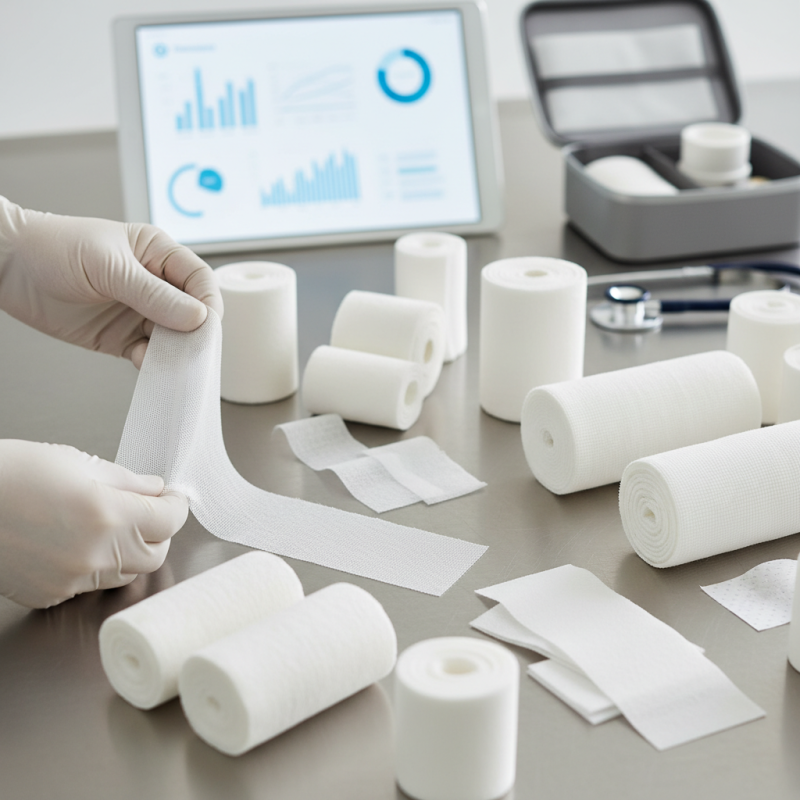
Plaster bandages are widely used in medical settings for immobilizing broken bones or supporting soft tissue injuries. Understanding their composition and types is crucial for selecting the right one. Typically, plaster bandages consist of gypsum or calcium sulfate. These materials provide a firm setting that molds easily to body contours.
There are several types of plaster bandages available. Some are designed for quick setting, while others offer more flexibility. The standard white bandage is common, but colored options add fun for pediatric patients. Many healthcare professionals prefer a lighter bandage that allows for ventilation. However, lighter bandages may not have the same durability, posing challenges during the healing process.
Choosing the right plaster bandage requires careful consideration. Assess factors like patient activity level and injury type. Ideal options should balance strength and comfort. It's often difficult to determine the most effective choice without experience. A plaster bandage that works well for one patient may not suit another. It's essential to observe the healing journey and adjust as necessary.
Best Plaster Bandage for Your Needs - Understanding Plaster Bandages: Composition and Types
| Type |
Composition |
Features |
Best For |
| Cotton Plaster Bandage |
100% cotton fabric with plaster |
Soft and breathable, flexible |
Orthopedic use, general casts |
| Synthetic Plaster Bandage |
Polyurethane or fiberglass |
Lightweight, water-resistant |
Sports injuries, outdoor use |
| Fast-setting Plaster Bandage |
Quick-drying gypsum |
Rapid hardening, easy to mold |
Emergency scenarios, quick applications |
| Water-resistant Plaster Bandage |
Plastic film or coating over gypsum |
Durable, suitable for wet environments |
Rehabilitation, outdoor activities |
Factors to Consider When Choosing Plaster Bandages
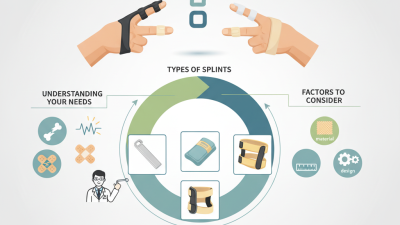
Choosing the right plaster bandage is crucial for your projects. When looking for the best option, consider factors like thickness, material, and drying time. Thicker plaster bandages provide more support but may take longer to dry. A lightweight bandage is easier to shape, but it may not offer the durability needed for heavier applications.
The material of the plaster bandage can also affect its performance. Some materials are more breathable, promoting quicker healing and comfort. Check for any allergies or sensitivities to materials. Be mindful that not all bandages provide the same level of adhesion, which can result in uneven finishes.
Keep in mind your level of experience when selecting plaster bandages. Novices might benefit from easier-to-use options that set quickly. However, more experienced users might prefer materials that allow for fine detailing. Reflect on your needs and choose accordingly, balancing ease of use with desired results. It’s important to experiment with different types to find what suits you best.
Evaluating the Strength and Durability of Plaster Bandages
When choosing plaster bandages, evaluating strength and durability is crucial. The quality of a bandage can directly impact its effectiveness in immobilizing and protecting wounds. Look for bandages that offer consistent thickness and are made from high-grade materials. A uniform surface indicates better strength. Some bandages may feel rigid but can break easily. It's essential to balance flexibility with strength for optimal use.
Tips: Always check the producer's specifications. Conduct small tests to evaluate the bandage’s strength. A simple bend test can reveal a lot about durability.
Another aspect to consider is water resistance. Bandages that absorb moisture may weaken over time. Choosing moisture-resistant options helps maintain effectiveness in various conditions. Durability is not just about strength; it’s about how well a bandage performs under stress. Some may look durable but fail in practical scenarios.
Tips: Conduct real-world usability tests when possible. Think about environments where the bandage will be applied. Do they meet your requirements for various activities?
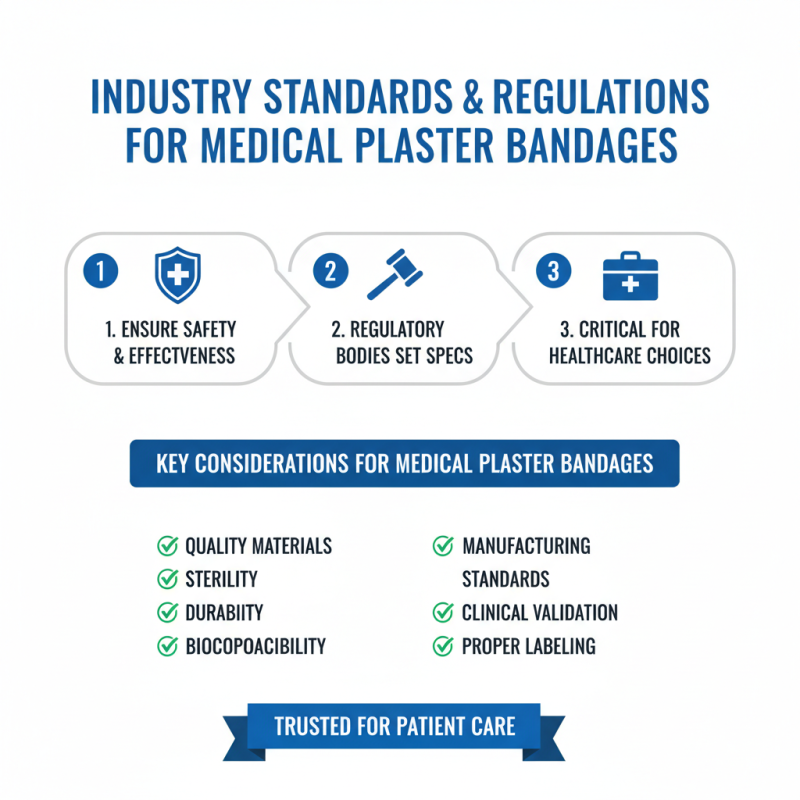
Industry Standards and Regulations for Medical Plaster Bandages
When considering medical plaster bandages, industry standards play a vital role. These standards ensure safety and effectiveness in medical environments. Regulatory bodies define the specifications and safety measures for plaster bandages, which healthcare professionals rely on. It’s essential to understand these regulations when choosing the right bandage for your needs.
Quality control is a significant aspect of plaster bandage production. Manufacturers must adhere to tests that evaluate the bandage's strength, flexibility, and antimicrobial properties. These factors can directly impact patient outcomes. Checking for compliance with industry standards ensures that you select a product that is safe and reliable.
Not all plaster bandages meet the same criteria. Some may lack adequate testing and may not perform well under clinical conditions. This inconsistency can lead to complications during treatment. Therefore, professionals must remain vigilant and informed about the latest regulations and standards. Regularly revisiting these guidelines can help avoid mistakes that affect patient care.
Comparative Analysis of Cost-Effectiveness in Plaster Bandage Options
When considering plaster bandage options, cost-effectiveness is crucial. A recent industry report indicates that the price per roll varies significantly across manufacturers. Basic plaster bandages typically range from $1.50 to $3.00 each. However, premium options can reach $6.00 or more. The price difference often correlates with the bandage's durability and user feedback on application ease.
A study by the Medical Supply Association also revealed variance in performance. High-quality bandages tend to set faster and offer better water resistance, which can save time during applications. Yet, some inexpensive bandages perform adequately for basic uses, making them appealing for budget-conscious buyers. It raises questions about whether premium products always guarantee superior results.
Cost-effectiveness also depends on the intended use. In clinical settings, investing in reliable brands might reduce overall costs by minimizing waste and rework. For home projects, more affordable options may suffice. Ultimately, users should weigh the balance of upfront costs against potential long-term benefits.
Best Plaster Bandage Cost-Effectiveness Analysis