Top 10 Orthopedic Braces You Should Consider for Injury Recovery?
In the realm of injury recovery, Orthopedic Braces emerge as vital tools. They provide support, stabilize joints, and aid in the healing process. According to the American Academy of Orthopedic Surgeons, 6.9 million people seek treatment for musculoskeletal issues annually. This number highlights the prevalence of injuries that necessitate proper support.
Orthopedic Braces can significantly enhance rehabilitation outcomes. A study published in the Journal of Orthopedic Research shows that patients using braces have a 30% faster recovery rate. Despite their benefits, not all braces are created equal. The choice of the right brace is crucial and can be overwhelming. It's essential to consider factors such as the type of injury, the material, and the level of support required.
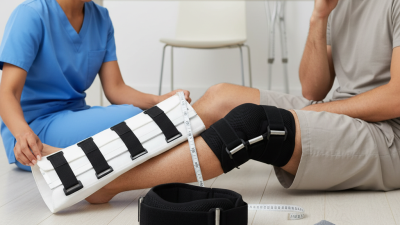
While many opt for off-the-shelf options, consulting with a healthcare professional ensures the best fit. A poorly fitted brace may hinder recovery. It's important to understand that while Orthopedic Braces play a role in healing, they are not a cure-all. Reflecting on individual needs is critical for a successful recovery journey.
Types of Orthopedic Braces for Common Injuries
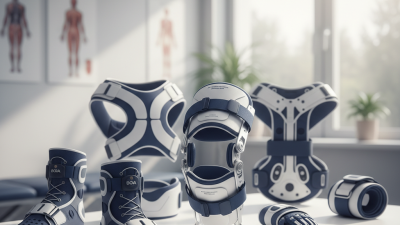
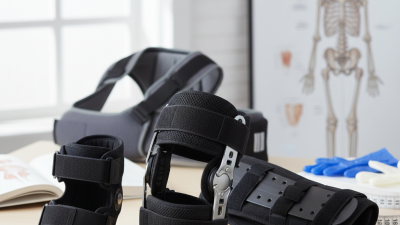
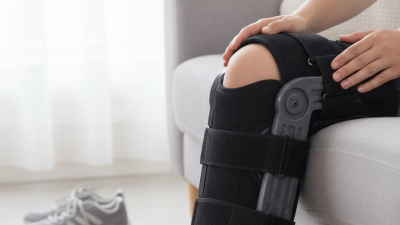
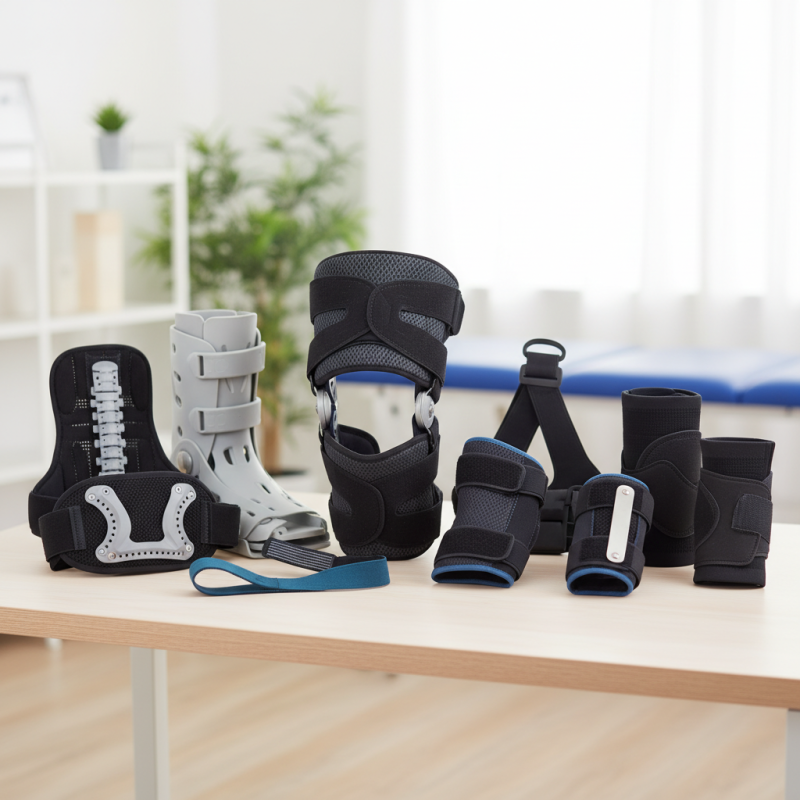
When it comes to injury recovery, orthopedic braces play a crucial role. They provide support and stability to injured areas, promoting healing. Different types of braces cater to various common injuries. For instance, knee braces offer support for ligament injuries and post-surgery recovery. They help limit movement while allowing some mobility for daily tasks.
Ankle braces are essential for sprains and strains. They stabilize the ankle, reducing pain during recovery. Back braces can assist in healing from lower back injuries by maintaining proper posture. They alleviate pressure on the spine while encouraging rest. Wrist braces are useful for carpal tunnel syndrome or sprains. They immobilize the wrist, allowing tendons to heal properly.
Choosing the right brace requires understanding your specific injury. Consulting with a healthcare professional is advisable. They can recommend the appropriate type and size for optimal support. While braces are helpful, they should not replace rehabilitation exercises. It is important to stay active, as prolonged immobility might lead to stiffness. Finding a balance is key to effective recovery.
Factors to Consider When Choosing an Orthopedic Brace
Choosing the right orthopedic brace is crucial for effective recovery. Several factors play a role in this decision. Comfort is one of the main considerations. An ill-fitting brace can cause more harm than good. Look for adjustable options that fit snugly but do not cause pain. Materials matter too; breathable fabrics can enhance comfort and reduce skin irritation.
Functionality is another important factor. Different injuries require different types of support. For instance, a knee brace provides stability for ligament injuries, while a wrist brace is suitable for sprains. Assess your specific needs before making a choice.
Consulting with a healthcare professional can provide valuable guidance. They can recommend the best brace based on your injury type. Their expertise adds a layer of reliability to your decision-making process. Remember that the right brace should aid recovery without compromising mobility. Testing a brace's flexibility and weight can also reveal its suitability for your condition.
Top 10 Recommended Orthopedic Braces for Recovery
When recovering from an injury, choosing the right orthopedic brace can significantly impact your healing process. Reports indicate that over 30% of individuals experience complications due to inadequate support during recovery. A well-fitted brace not only provides stability but also aids in pain management and reduces the risk of further injury. Various braces cater to different issues, such as knee instability or wrist sprains, catering to the needs of diverse injuries.
Research shows that patients using braces for support have a 20% faster recovery rate than those without. They help maintain proper alignment, which is crucial for rehabilitation. For example, a knee brace can limit excessive motion in the joint, promoting safe movement while healing. However, not all braces are created equal. Some users report discomfort or have trouble finding the right size. This highlights the importance of consulting a healthcare professional before making a choice. Proper fitting is essential to maximize benefits and minimize pain. Adapting to wearing a brace can be a challenge, especially for those new to this type of recovery aid.
Top 10 Orthopedic Braces You Should Consider for Injury Recovery
| Brace Type |
Indications |
Key Features |
Size Options |
Price Range |
| Knee Brace |
ACL injuries, arthritis |
Adjustable straps, breathable fabric |
S, M, L, XL |
$30 - $100 |
| Wrist Brace |
Carpal tunnel syndrome, tendonitis |
Immobilization, removable splint |
S, M, L |
$20 - $60 |
| Ankle Brace |
Sprains, instability |
Lightweight, adjustable fit |
M, L |
$15 - $50 |
| Elbow Brace |
Tennis elbow, golfer's elbow |
Compression, non-slip design |
S, M, L |
$10 - $35 |
| Shoulder Brace |
Rotator cuff injuries, dislocations |
Adjustable straps, supportive |
One size fits most |
$40 - $120 |
| Back Brace |
Lower back pain, herniated disc |
Lumbar support, adjustable compression |
S, M, L, XL |
$30 - $90 |
| Neck Brace |
Whiplash, neck strains |
Supportive padding, adjustable |
One size fits most |
$25 - $70 |
| Foot Orthotics |
Plantar fasciitis, arch support |
Customizable, cushioned |
S, M, L |
$30 - $80 |
| Thigh Brace |
Thigh strains, muscle support |
Compression, breathable material |
M, L, XL |
$20 - $55 |
How to Properly Use and Care for Your Orthopedic Brace
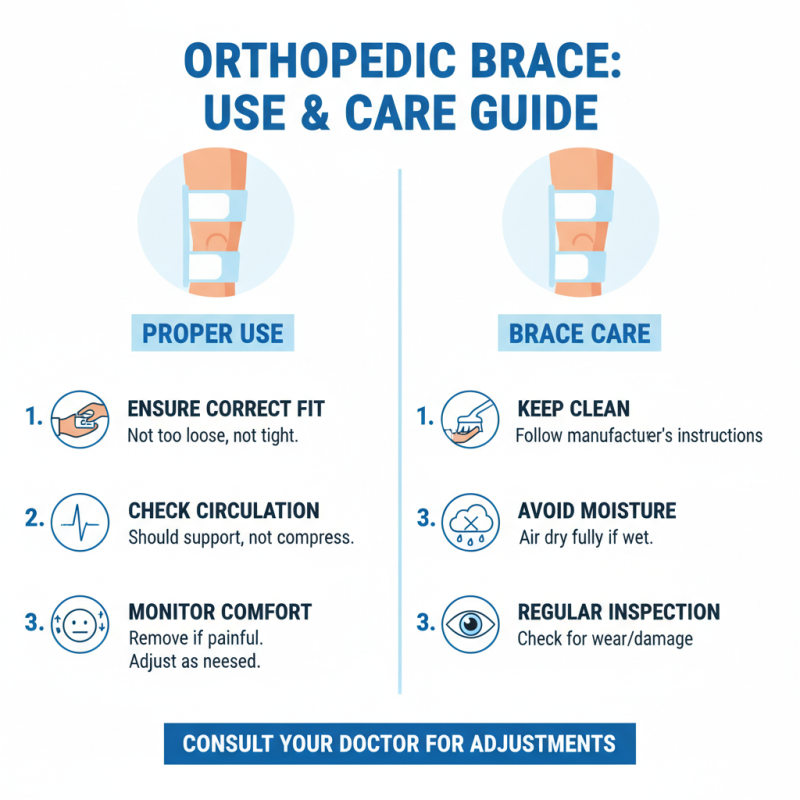
Using and caring for your orthopedic brace is crucial for effective recovery. Start by ensuring the brace fits correctly. It shouldn’t be too loose or tight. A proper fit allows for support without compromising circulation. Check for any signs of discomfort after a few hours. If it causes pain, you may need adjustments.
Cleaning your brace regularly is essential. Use mild soap and water for surface cleaning. Avoid harsh chemicals that can damage the material. After wearing it, let your brace air out. This prevents moisture buildup that can lead to odors or skin irritations. Always inspect your skin for redness or soreness after use. These signs indicate you might need a softer lining or padding.
Over time, brace quality can decline. Watch for any signs of wear and tear. If you notice fraying straps or cracks in the material, consider replacing it. A worn-out brace can compromise your recovery. Being mindful and proactive about these aspects is often overlooked. It’s easy to dismiss discomfort, but listening to your body is key.
Signs It's Time to Replace Your Orthopedic Brace
Orthopedic braces play a vital role in injury recovery. However, they do not last forever. According to a report from the American Academy of Orthopaedic Surgeons, 70% of patients fail to recognize when their brace needs replacement. This can lead to ineffective support and prolonged recovery times.
Signs it’s time to replace your orthopedic brace include visible wear and tear. Cracks or frays in the material can compromise support. Additionally, if you experience increased pain or discomfort while using the brace, this is a strong indicator. Expert recommendations suggest reassessing your brace every six months to ensure optimal biomechanical support.
Another critical point is fit. If your brace feels loose or tight, it’s time for a change. An ill-fitting brace can lead to further injury. Surveys indicate that 50% of users do not adjust their braces as their condition improves. Regular checking can enhance recovery outcomes. Ultimately, recognizing these signs can provide clearer insights into your recovery journey.