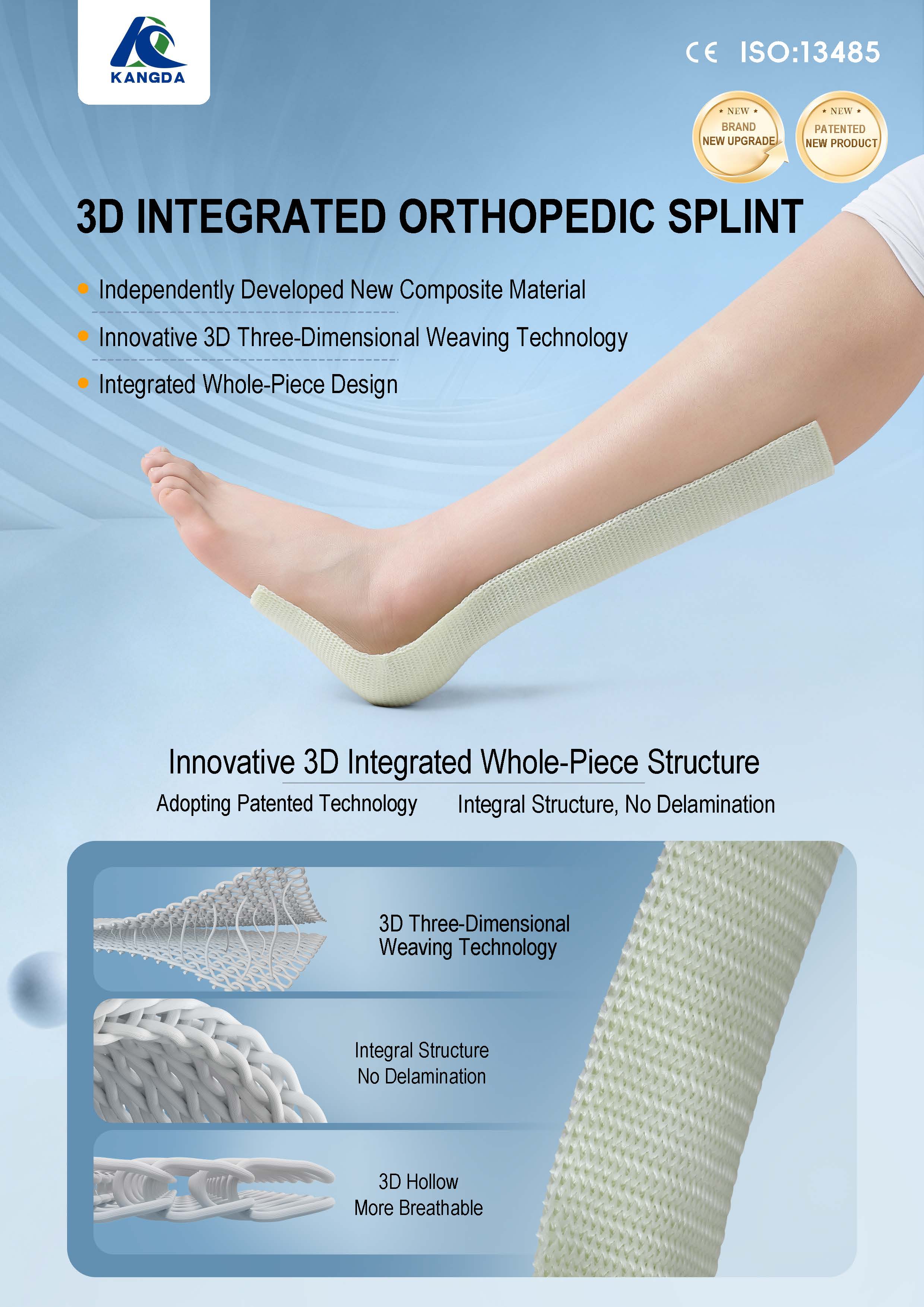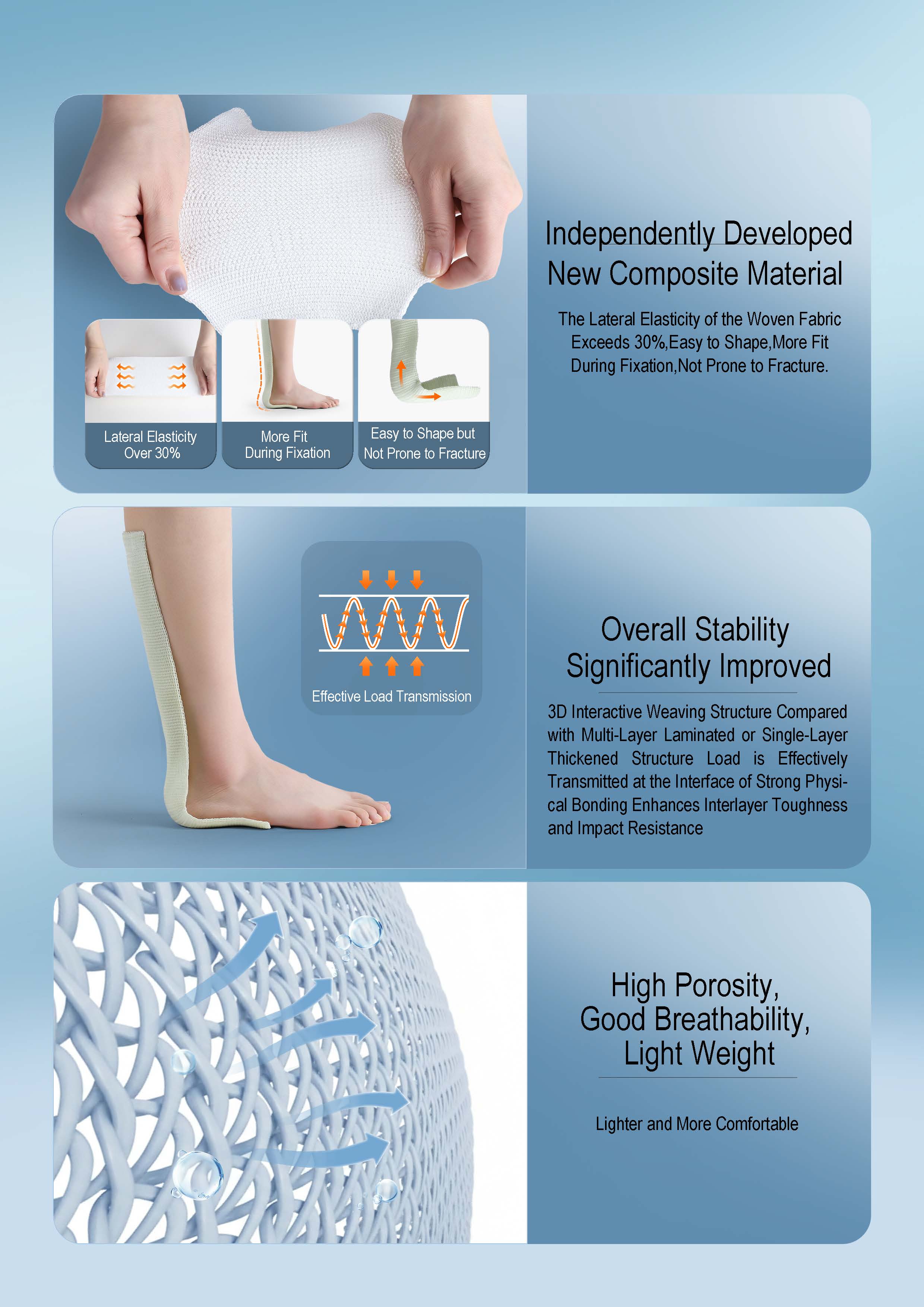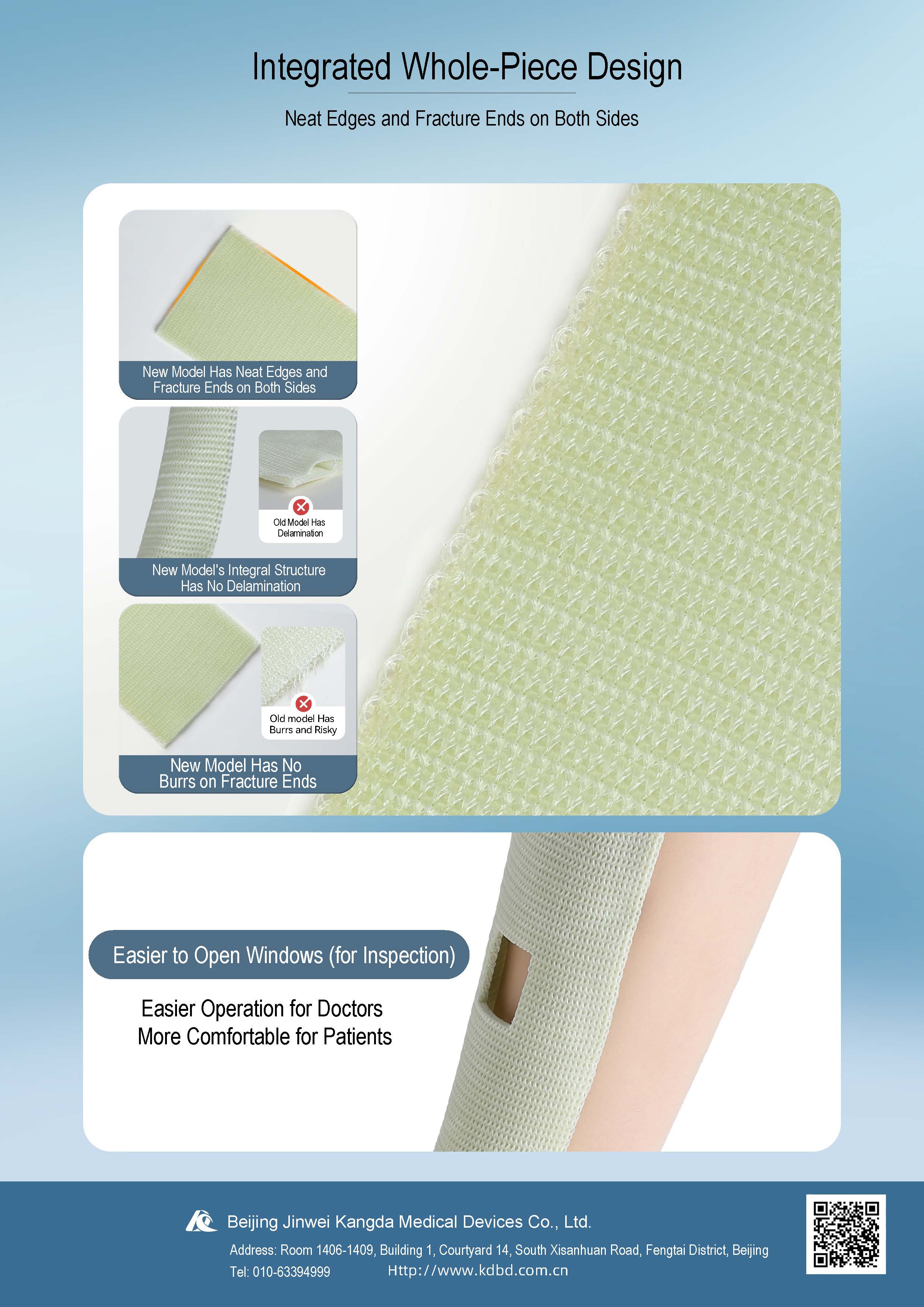
What are the differences between medical polymer splints and polymer bandages?
Although polymer splints and polymer bandages are often used together, their core functions, materials, and uses are fundamentally different.
Simply put:
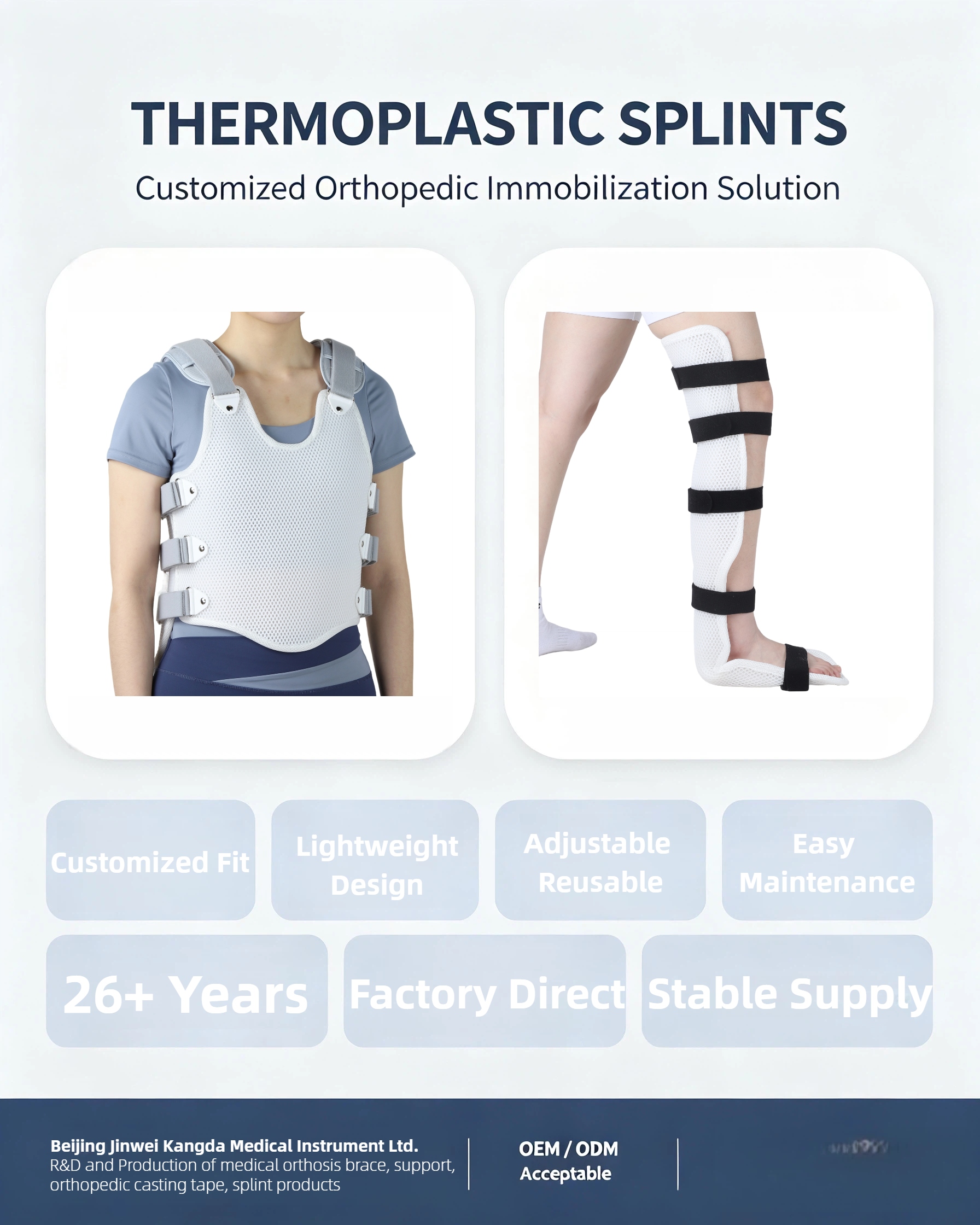
Polymer splint = rigid "plaster cast": provides rigid fixation.
Polymer bandage = elastic "bandage": provides pressure, soft fixation, and wrapping.
Below, we will compare them in detail from several aspects:
Core Functions: Provides rigid support and immobilization, replacing traditional plaster casts. Provides elastic pressure, soft fixation, and wrapping.
Hardness: Very hard, similar to plastic or metal after curing. Soft and elastic, retaining a certain degree of toughness after curing.
Main Uses: Fracture fixation (e.g., arm, leg fractures), complete immobilization of severe joint sprains. Soft tissue injuries (sprains, strains), postoperative pressure, fixation dressings, used in conjunction with splints.
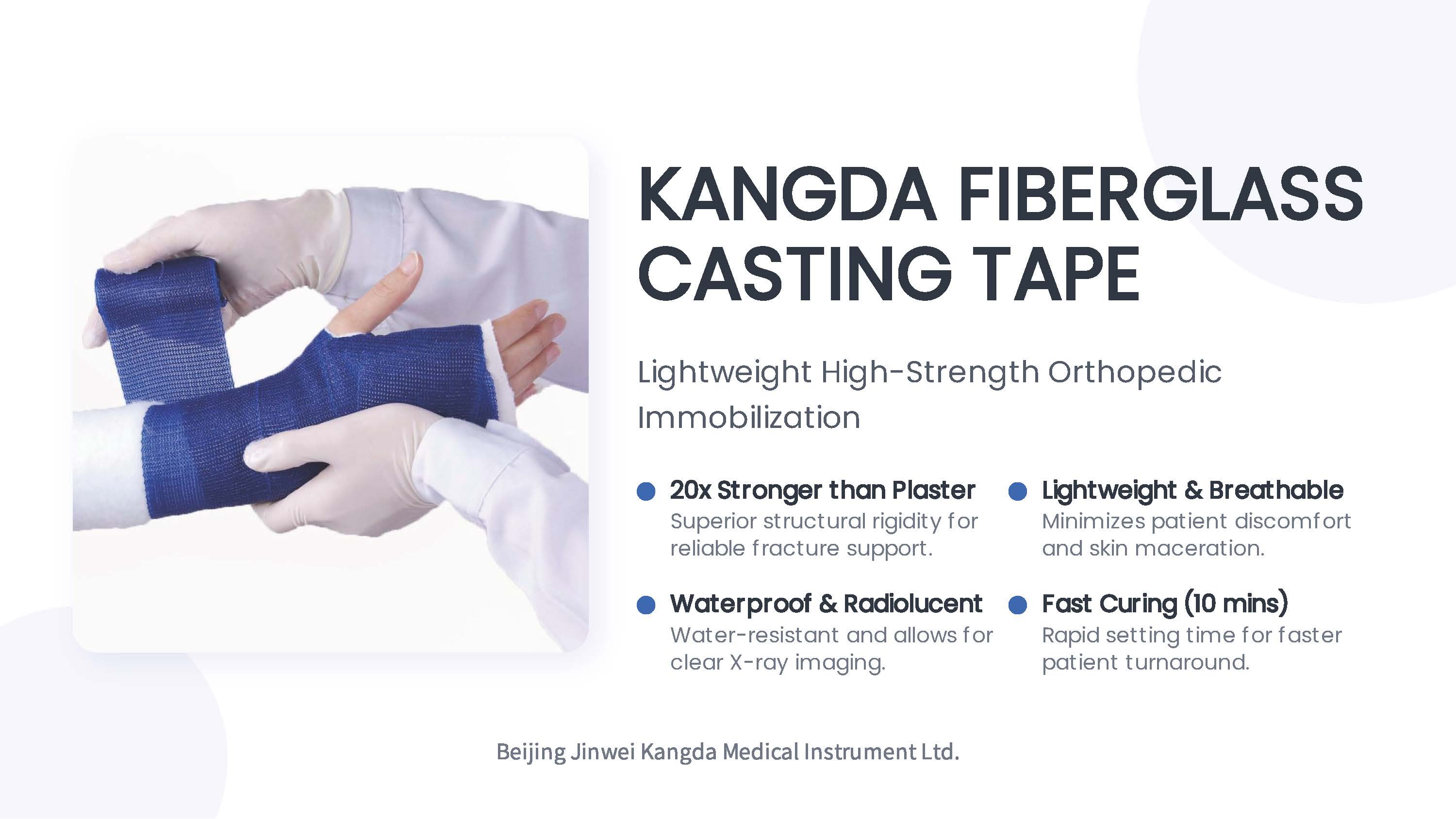
Usage: Usually needs to be used in conjunction with cotton padding and bandages. After soaking in water, apply to one side of the limb, shape, and wait for it to cure. After being directly soaked in water, it is wrapped around the limb like a regular bandage, providing even pressure.
**Moldability:** Extremely malleable within minutes of soaking in water, allowing for precise shaping to perfectly conform to the limb's contours. It also has some malleability, but is primarily used to adapt to the limb's shape rather than providing rigid support.
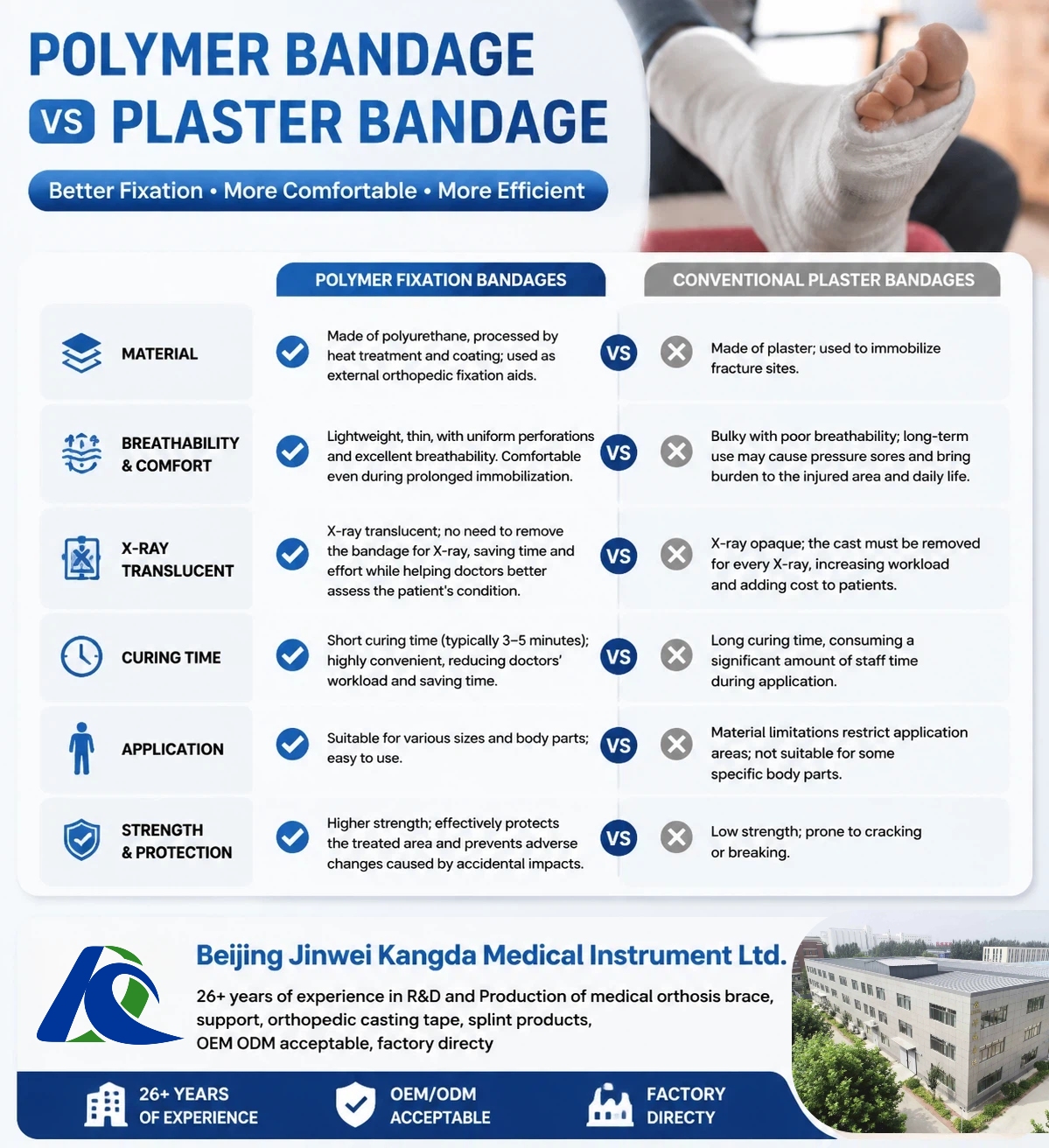
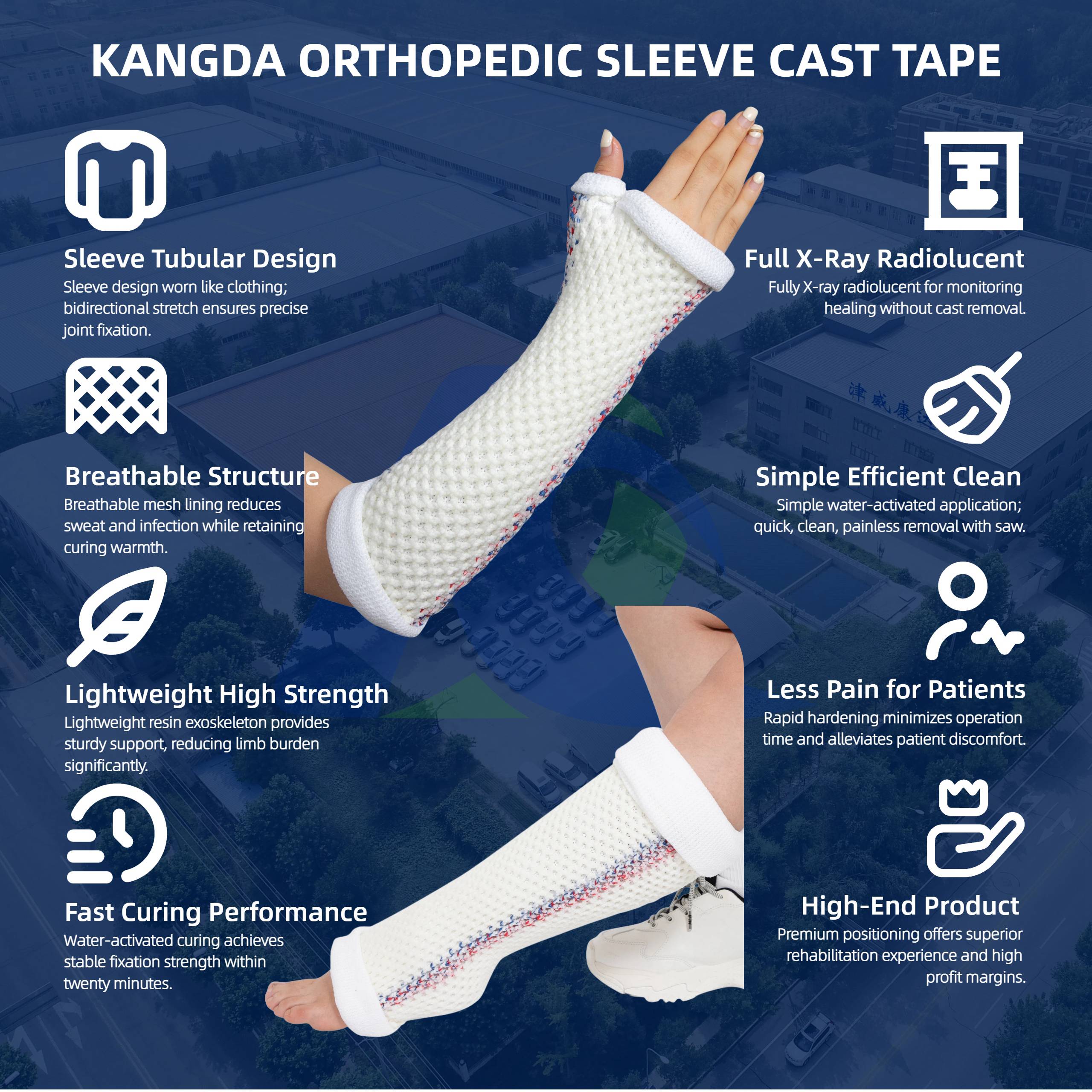
**Breathability:** Good, better than traditional plaster casts. Excellent, lightweight, and breathable.
**Weight:** Lightweight (lighter than traditional plaster casts). Very lightweight.
**Removable:** Usually not, requires professional tools to cut. Usually yes, can be easily cut with scissors.
**Imaginative Description:** **A "plastic sheet" or "metal sheet"** **A flexible "mesh stocking" or "elastic bandage"**
**Detailed Explanation and Examples:**
1. Polymer Splint
What it is:** It is typically a roll (or sheet) of mesh material made of fiberglass or polyester fibers, impregnated with polyurethane resin. After soaking in water, the resin undergoes a chemical reaction, generates heat, and solidifies, becoming very hard.
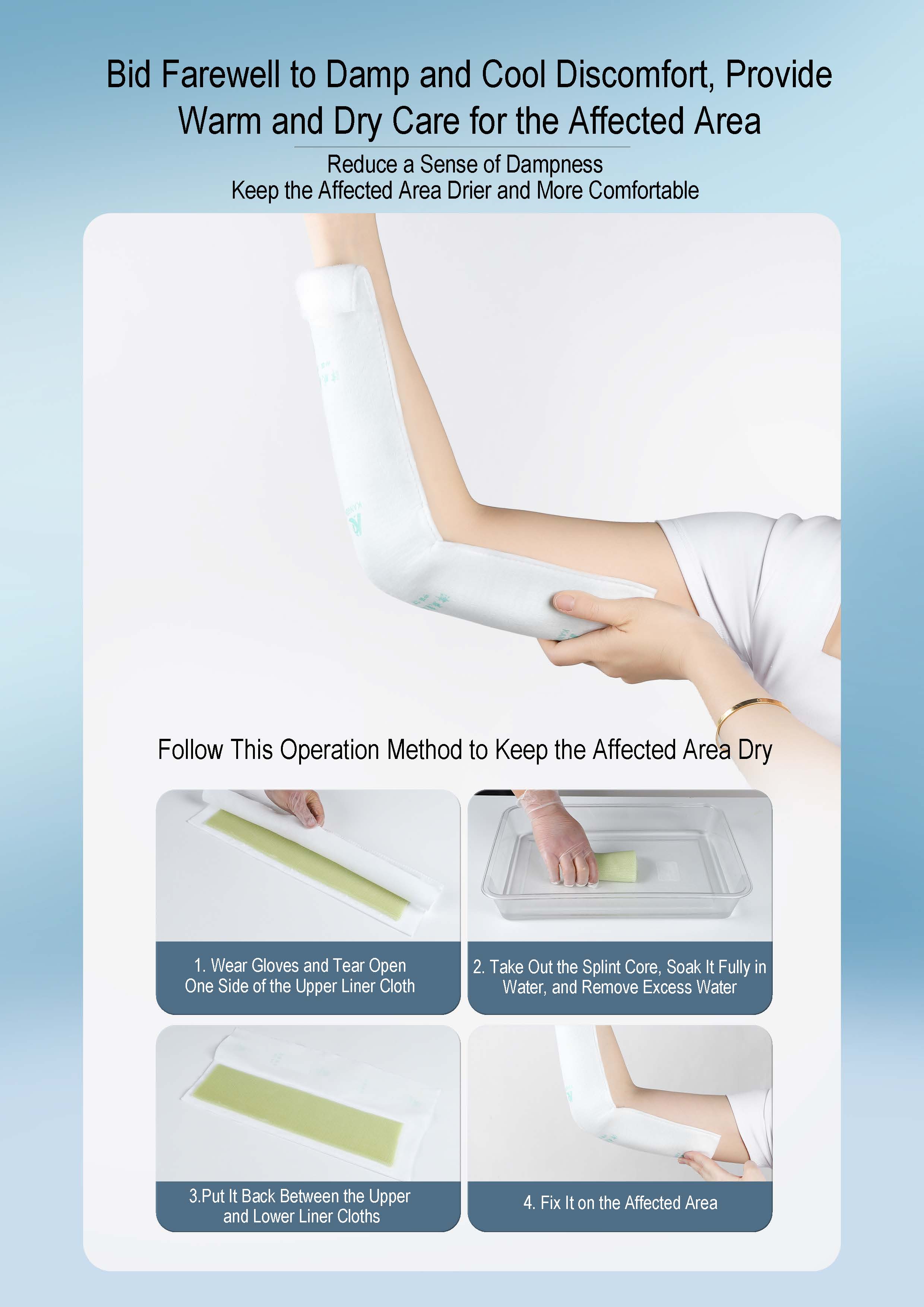
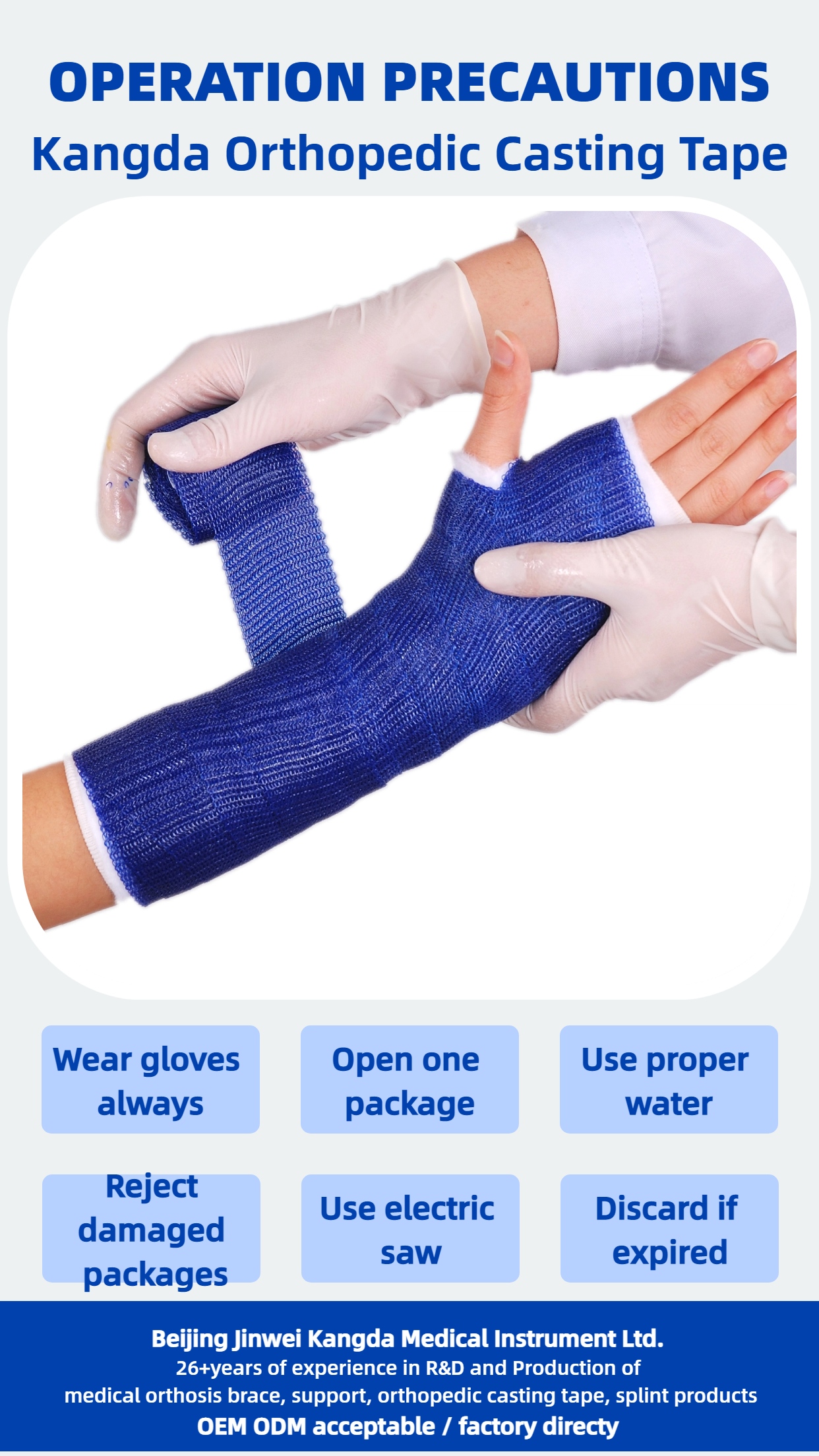
How to use: The doctor will first put a soft cotton sock over the affected limb as padding, then place a cotton roll on the side requiring fixation to further protect the bony prominence. Next, the moistened polymer splint is unfolded, cut to the length of the limb, and applied to the area requiring fixation, quickly shaping it. Finally, a layer of polymer bandage or regular bandage is wrapped around it from the outside for fixation until it is completely hardened.
2. Polymer Bandage
What is it: Its base material is also fiberglass or polyester fiber mesh, but with a lower resin content, or a different material itself, allowing it to retain elasticity after curing.
How to use: After soaking in water, it is wrapped around the limb in a spiral motion, like an elastic bandage (ACE bandage). It provides even pressure and self-adhedes and cures.