
Differences Between Medical Polymer Bandages and Conventional Plaster Bandages
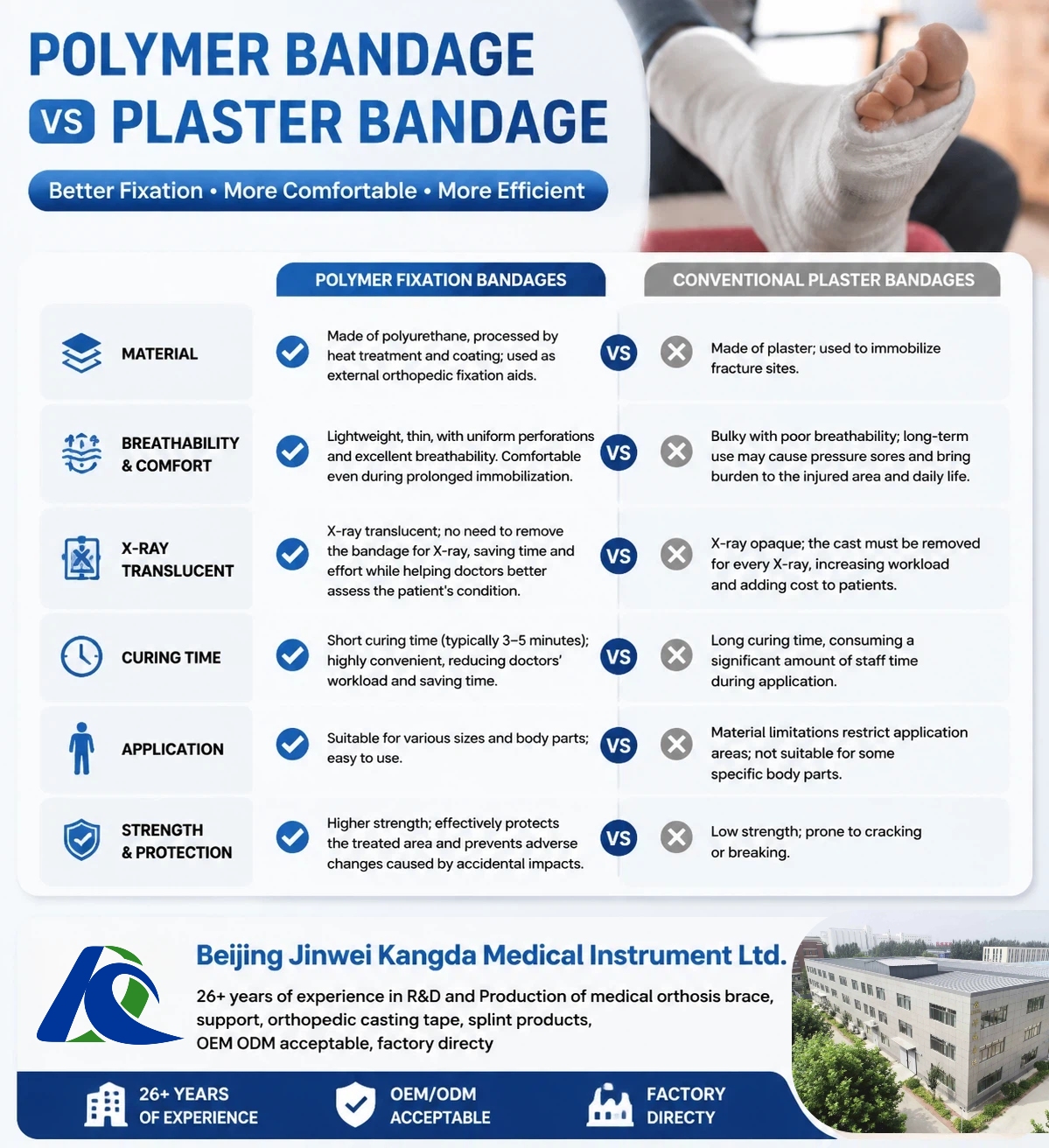
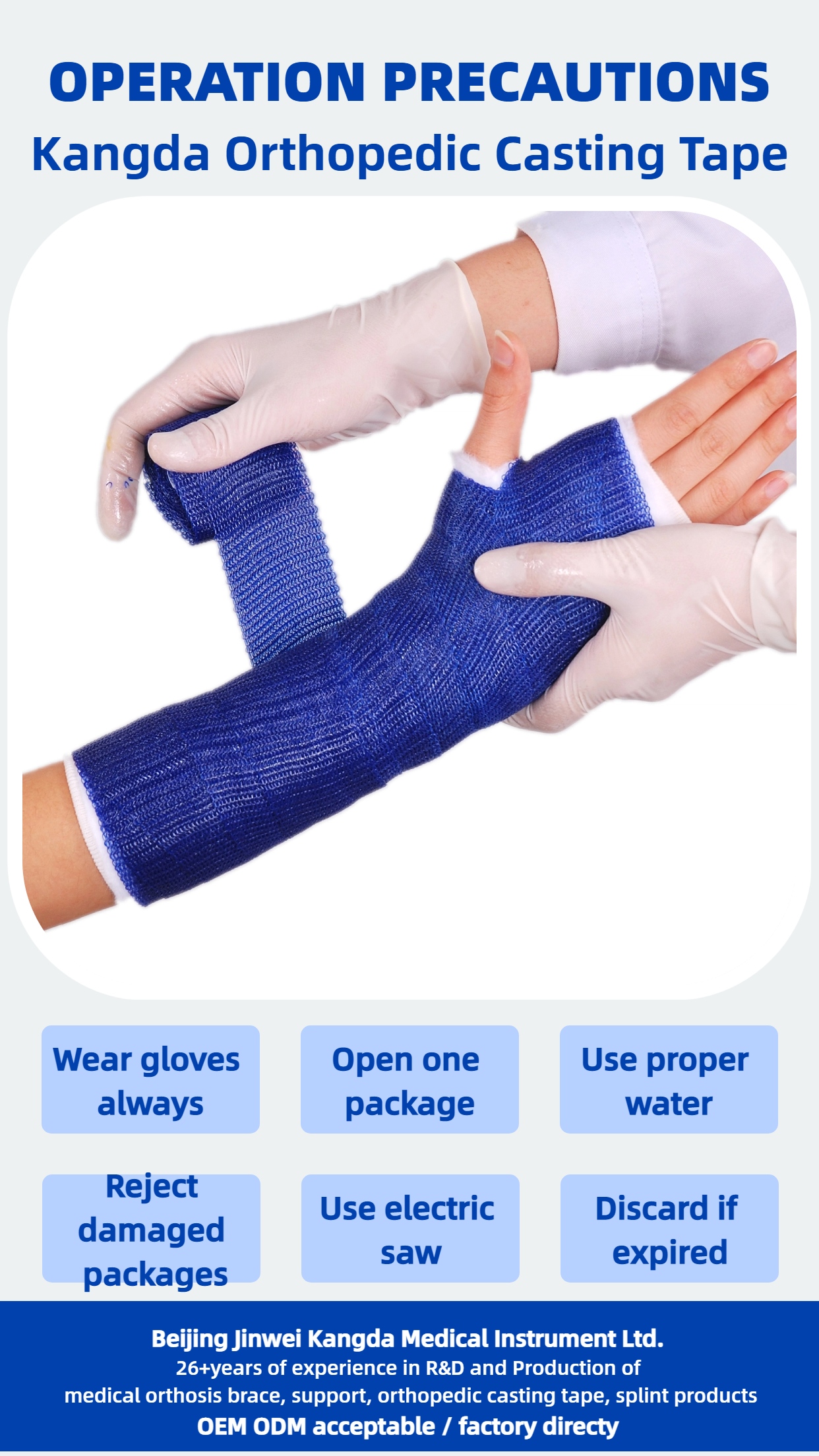
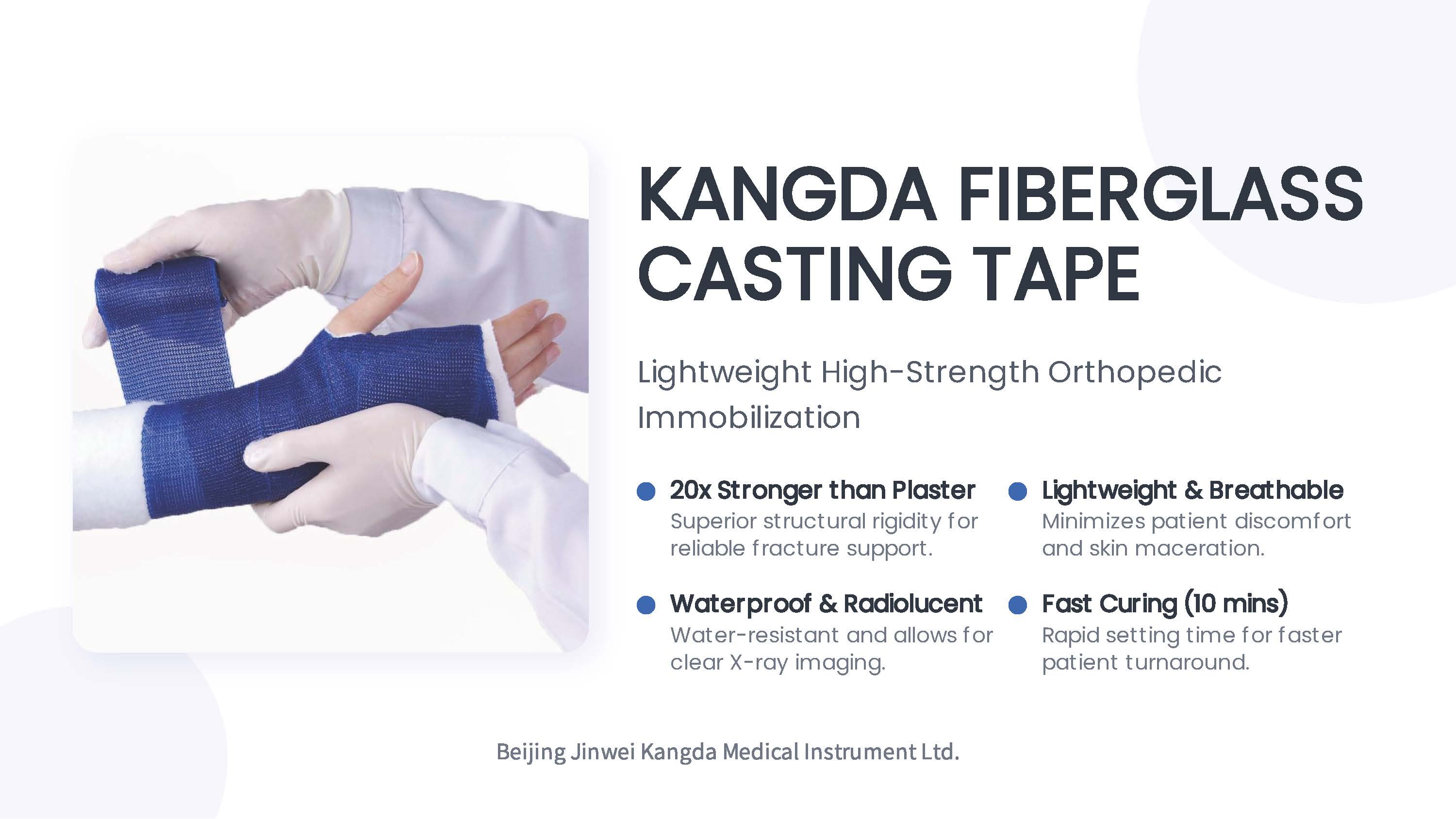
- Polymer fixation bandages: Made from polyurethane materials and processed using techniques such as heat treatment and coating; used as external orthopedic fixation aids.
Plaster Bandages: Used to immobilize fracture sites; made of plaster.
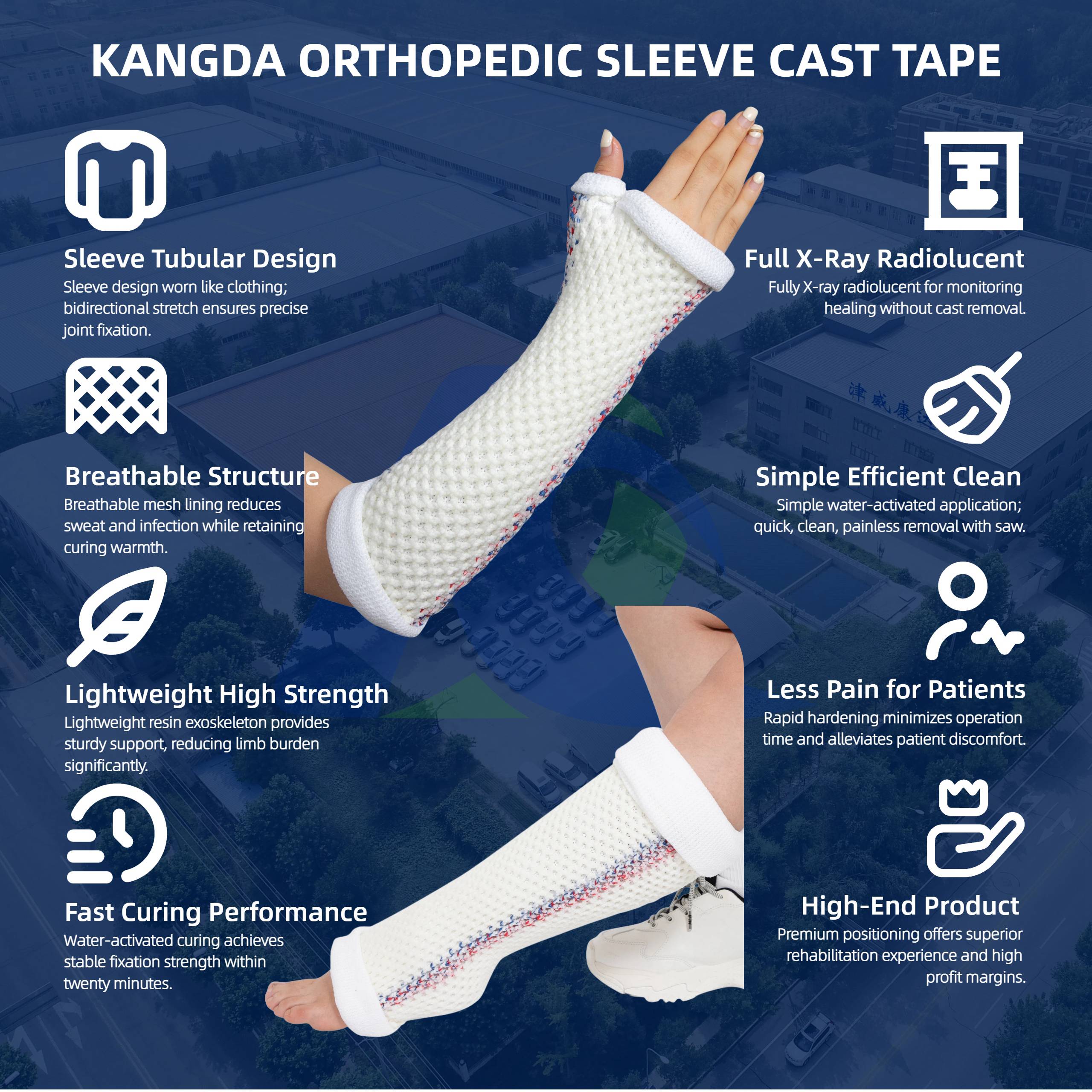
- Polymer fixation bandages: Lightweight and thin, featuring numerous uniform perforations and excellent breathability; comfortable even during prolonged immobilization.
Plaster Bandages: Bulky with poor breathability; long-term use may cause pressure sores, and wearing a heavy, cumbersome bandage can burden both the injured area and the patient's daily life.
- Polymer fixation bandages: X-ray translucent; there is no need to remove the bandage for X-ray imaging, allowing medical staff to better assess the patient's condition while saving significant time and effort.
Plaster Bandages: X-ray opaque; the cast must be removed for every X-ray examination, significantly increasing the workload for medical staff and adding to the patient's financial burden.
- Polymer fixation bandages: Short curing time (typically 3–5 minutes); highly convenient to use, reducing the doctor's workload and saving a great deal of time.
Plaster Bandages: Require a long time to cure, consuming a significant amount of the staff's time during application.
- Polymer fixation bandages: Suitable for various sizes and body parts; easy to use.
Plaster Bandages: Material limitations restrict the areas where they can be applied, making them unsuitable for certain specific body parts.
- Polymer fixation bandages: Higher strength; effectively protects the treated area and prevents adverse changes caused by accidental impacts.
Plaster Bandages: Low strength; prone to cracking or breaking.