The Art and Science of Bone Setting: History, Techniques, and Modern Orthopedics
Bone setting is not unique to Traditional Chinese Medicine (TCM). Ancestors around the world have developed their own unique bone-setting methods; otherwise, only the Chinese people could recover from fractures, while people in other countries would only suffer from crippled limbs. The goal of treatment is the same: to find a way to return displaced bones to their original positions. Manual reduction can restore most closed fractures to a functional position (not 100% reduction, but function is unrestricted). However, some fractures, due to severe injury (comminuted fractures) or injury to special locations (intra-articular fractures), especially most open fractures, cannot be effectively treated with manual reduction. Therefore, modern treatment methods have emerged that involve surgery under direct vision to align displaced bone fragments one by one, followed by internal fixation to resolve fractures that cannot be addressed manually.
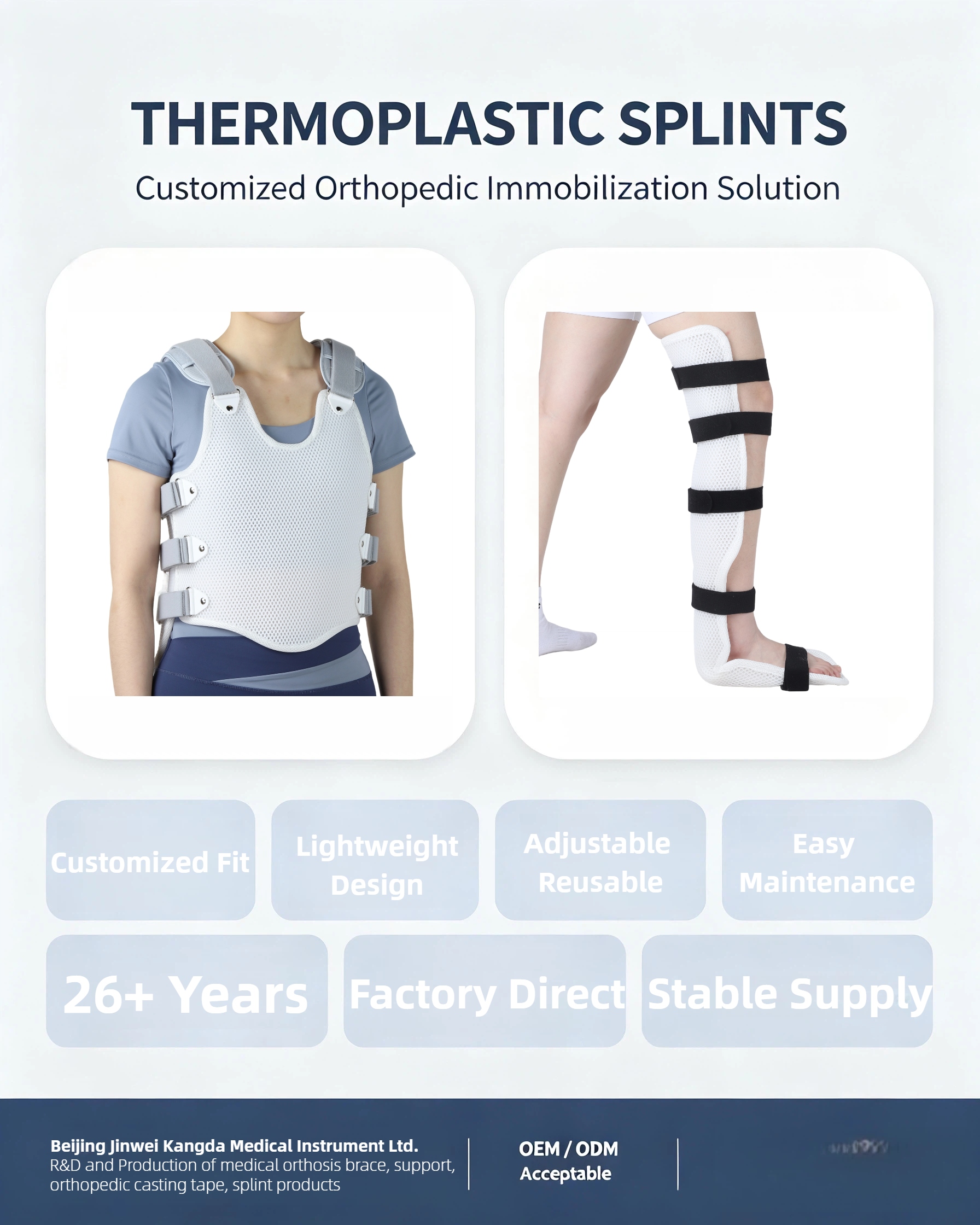
There are also various methods of fracture fixation: Small splints are unique to TCM, offering advantages such as low cost, flexible fixation, and easy adjustment, but also disadvantages such as unstable fixation, easy displacement, and inapplicability to certain locations.
However, the plaster cast fixation technique we are familiar with is actually a so-called Western medical technique invented by a foreigner. Historically, plaster casts have been used for external fixation in orthopedics since 1000 BC, when Arabs used them to treat fractures. At that time, plaster powder was mixed with water and then molded to immobilize the fracture.
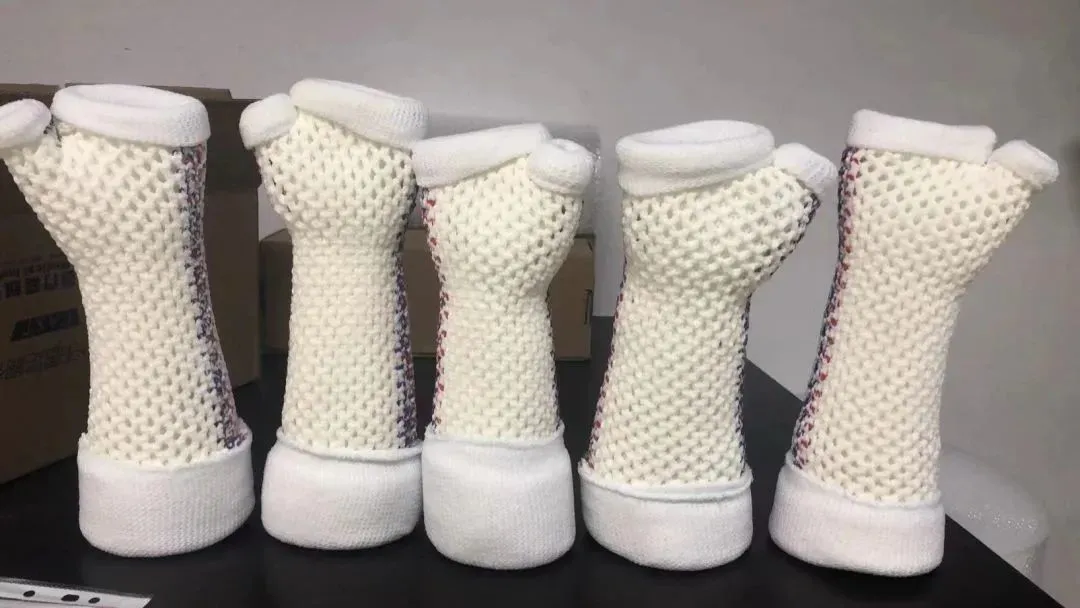
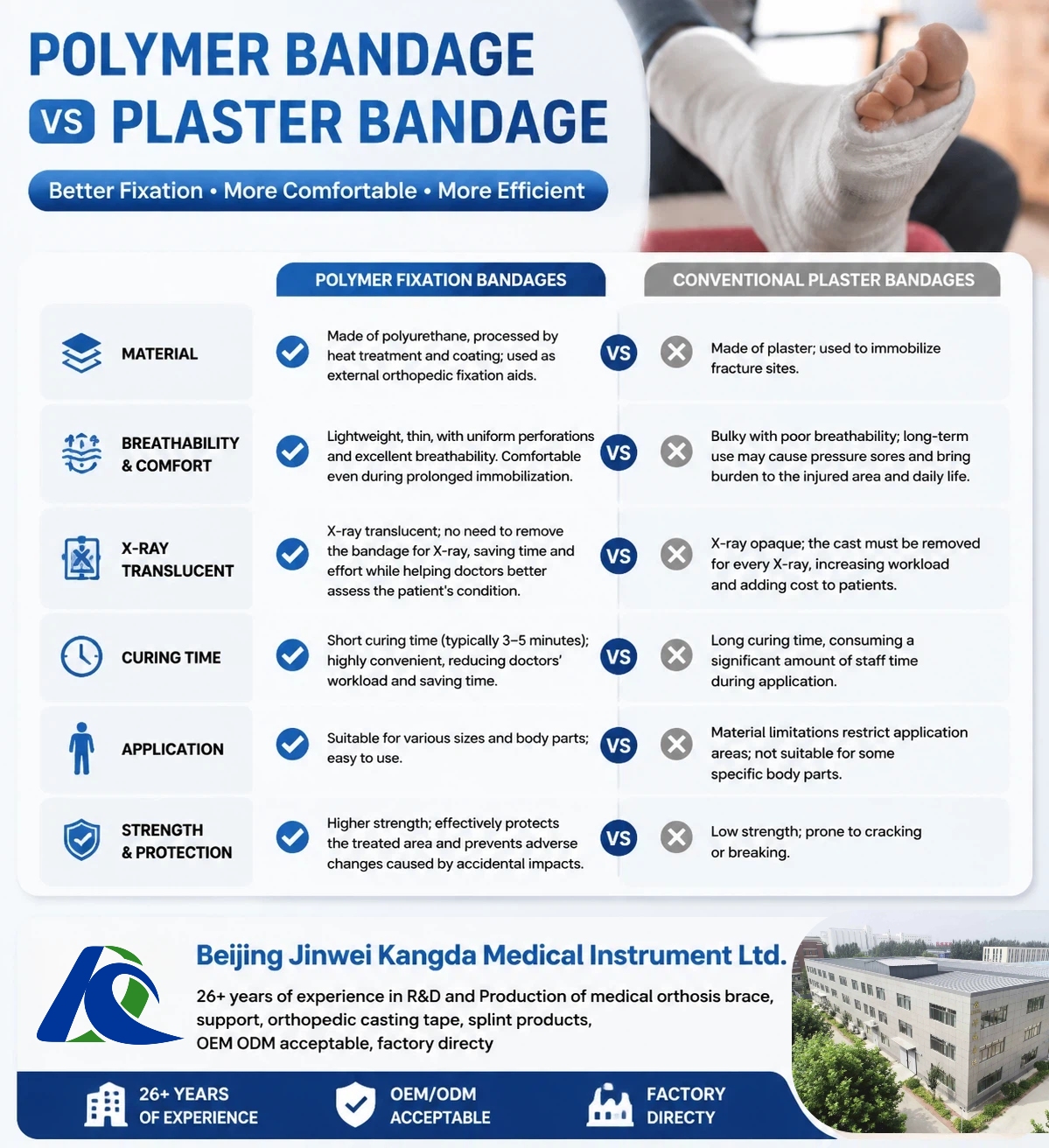
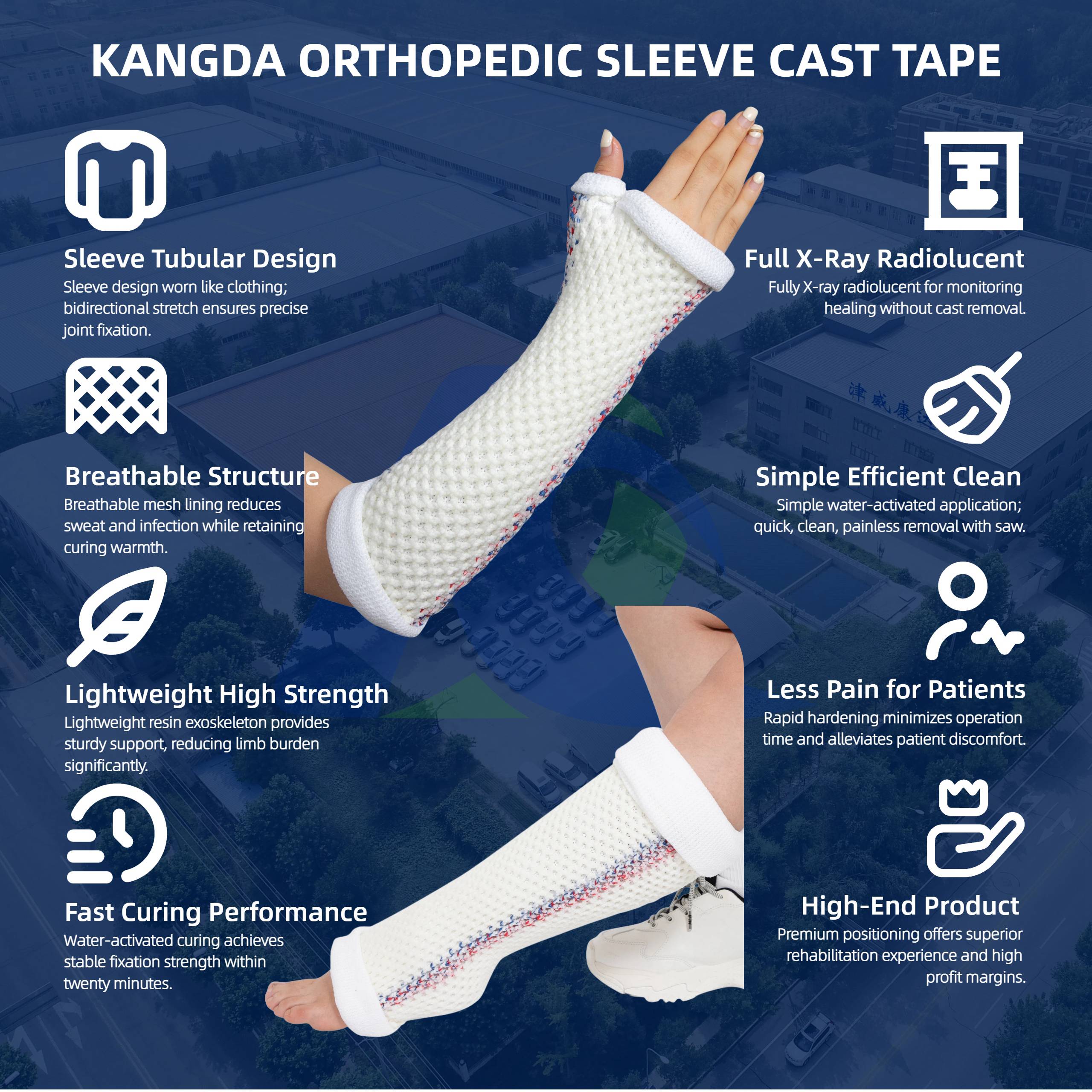
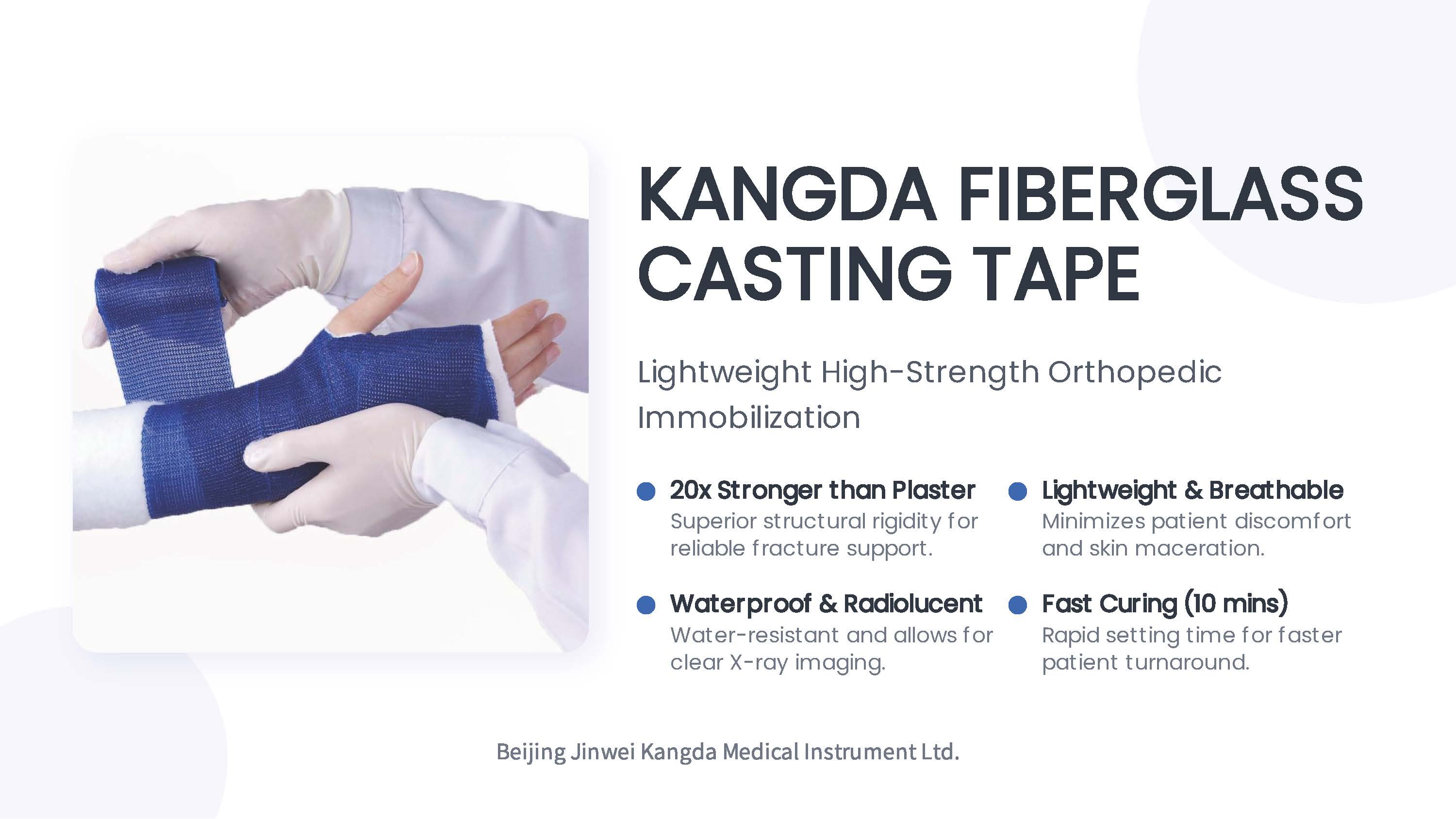
In 1970, 3M introduced resin-cellulose fiberglass bandages. Compared to traditional plaster materials, polymer Plaster Bandages are just as effective at shaping and are lightweight, breathable, and X-ray transparent. Other ethnic groups also have their own unique fixation methods. For example, Uyghur medicine maintains the fracture position by mixing egg white, salt, and sometimes salajiti (a Uyghur medicine used to promote fracture healing) to create a gel-like liquid. This liquid is then soaked in cotton cloth, bandaged, and secured with two splints and further wrapped with bandages.
Through various external fixation techniques, the trunk and limbs can be kept in a specific position, thereby reducing or eliminating weight-bearing on the affected area, promoting tissue and fracture healing, and correcting limb shape. These techniques are simple to operate, provide reliable fixation, and are easy to care for, making them an important orthopedic treatment method that cannot be completely replaced by any other treatment. Having worked in both Western and Traditional Chinese Medicine (TCM) hospitals, I've noticed a strange phenomenon: senior specialists in Western hospitals often apply casts to simple fractures, while senior TCM specialists seem to rush to perform surgery for fractures. I wonder what their motives are. Bone setting is a skill that improves with practice; the more you use it, the better you become, and the less you use it, the less proficient you become. Therefore, there are fewer and fewer doctors who can set bones skillfully these days. Even senior TCM specialists aren't necessarily better at it than younger doctors with Western medical backgrounds; it all depends on the individual's dedication to the technique. TCM has always advocated bone setting and tendon manipulation. Bone setting is easy to understand, but tendon manipulation involves managing the soft tissues around the fracture: muscles, ligaments, etc. Many easily displaced bone fragments are misaligned due to the displacement of soft tissues, and some fractures are difficult to heal because of the displacement of surrounding blood vessels, hindering effective blood circulation. Therefore, being able to set bones doesn't make you a master; only those who can both set bones and manipulate tendons are true masters.