

Post-Fracture Care Instructions
Fracture recovery is a systematic process. Proper management can effectively prevent complications and promote healing.
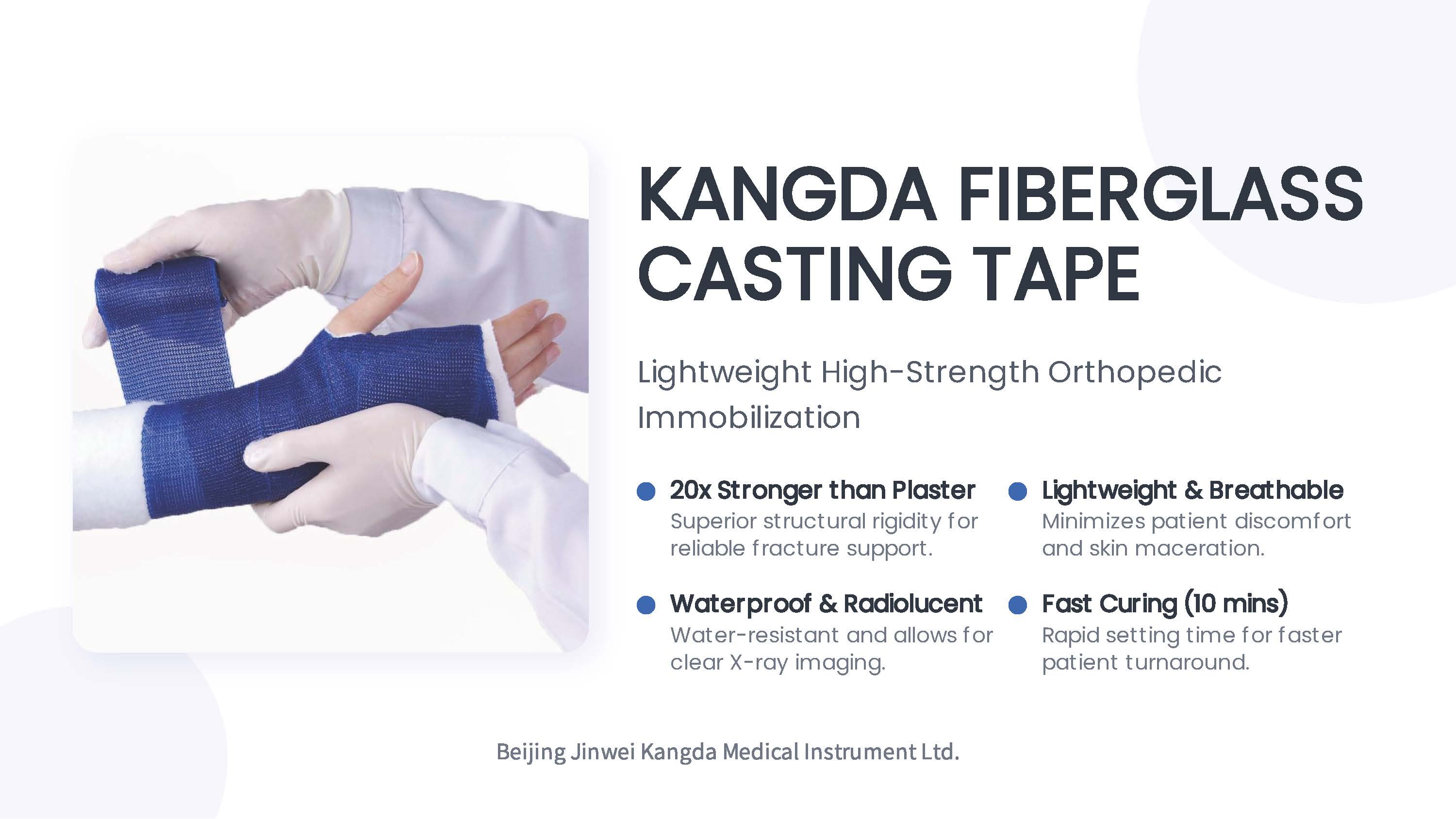
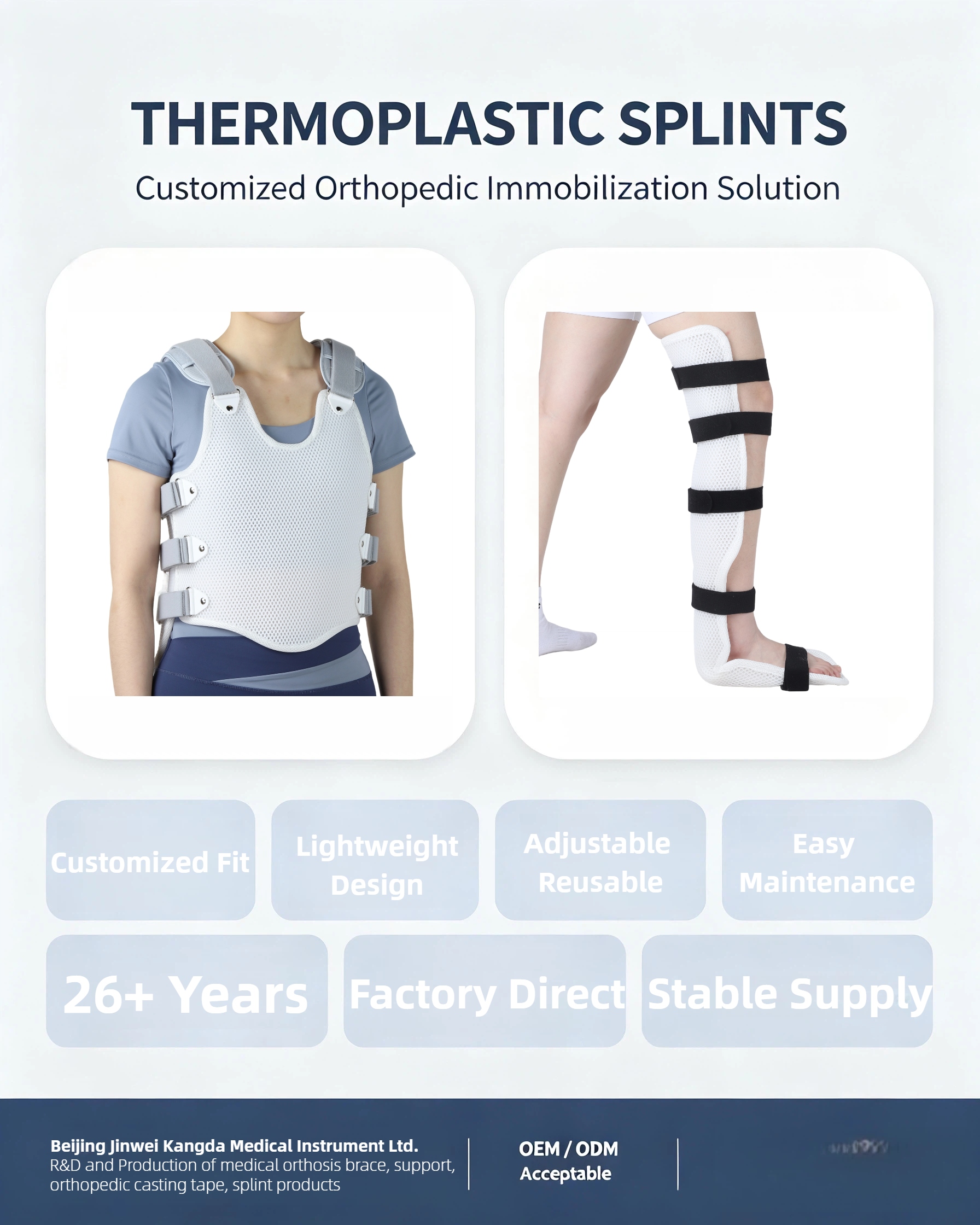
- Early Management: Reducing Swelling and Immobilization (First 1–2 Weeks)
Elevate the injured limb: When resting, elevate the injured limb so that it is higher than the level of the heart. This uses gravity to promote venous return and is the most effective way to reduce swelling.
Apply ice correctly: Within 48–72 hours after the injury.
- Rehabilitation Exercises: Balancing Immobilization and Movement to Prevent Stiffness
Early isometric muscle contractions: Before the fracture site is stable, perform muscle contractions without moving the joint. This helps prevent muscle atrophy and deep vein thrombosis.
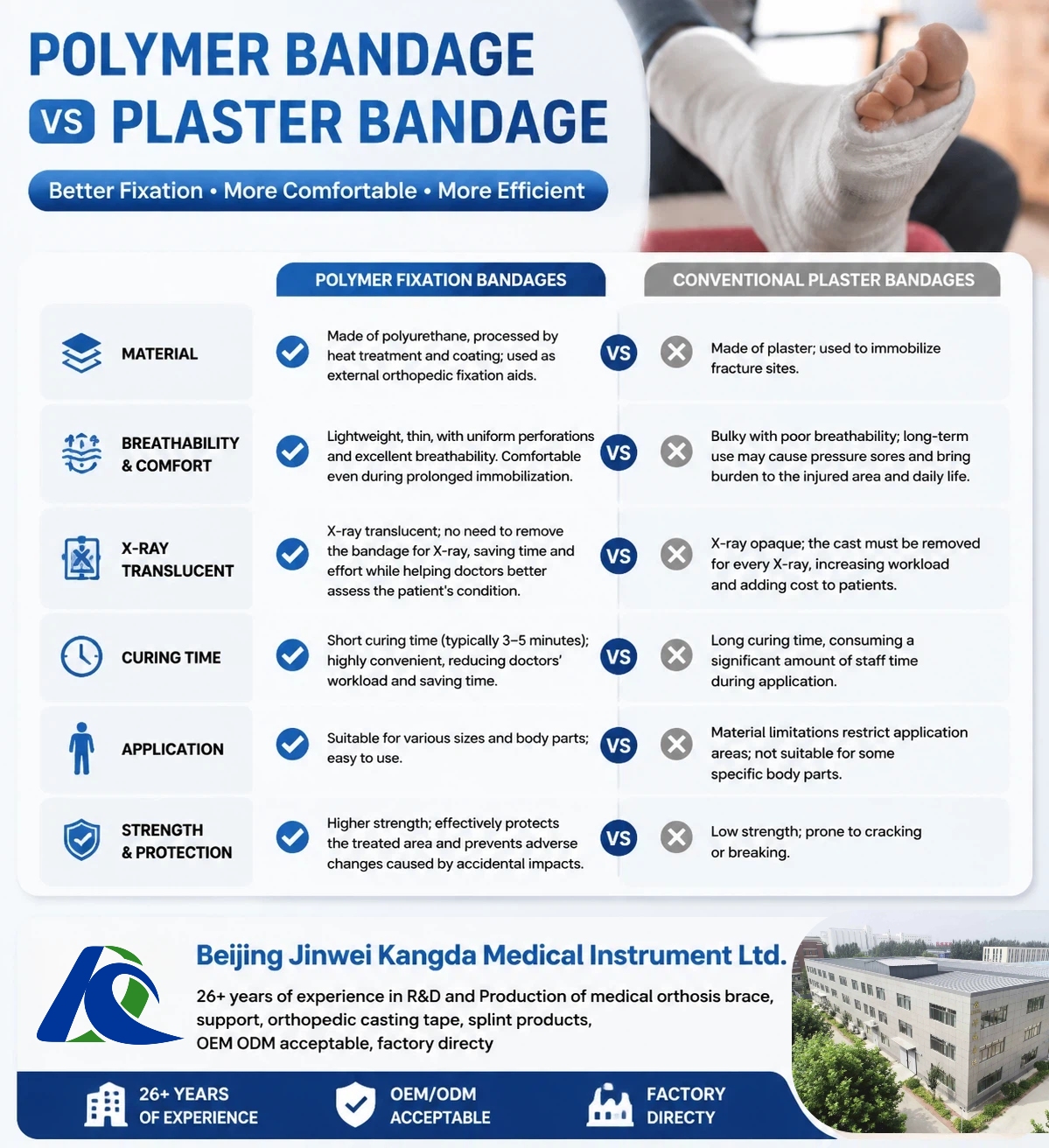
Mid-to-late stage joint mobilization: After your doctor permits removal of the cast or fixation, begin moving the joint gradually. Joint stiffness is the most common long-term complication after a fracture, especially in the knee, elbow, and wrist.
Regular follow-up appointments: Adhere to the schedule for X-ray reviews as advised by your doctor (typically every 1–2 months).
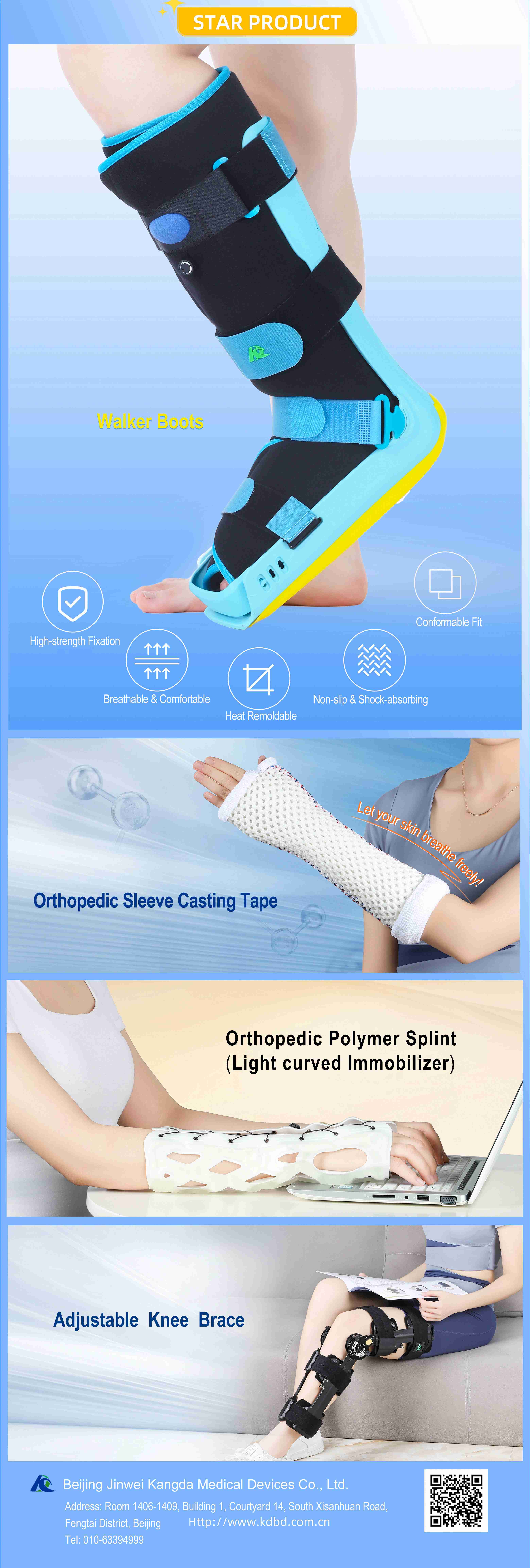
Ensure safe mobility: When beginning to walk again, use a walker or crutches. Ensure floors are dry and free of clutter to prevent a second fall.
Final Reminder: The specific management of a fracture depends on its location, type, the patient's age, and underlying health conditions. Please follow the personalized plan provided by your primary physician or rehabilitation therapist. If you experience fever, redness or pus at the wound site, or a sudden increase in pain during recovery, seek medical attention promptly.