How to Choose the Right Knee Splint for Your Injury Needs?
Choosing the right knee splint can be a challenging task. With numerous options available, it's essential to understand your specific injury needs. According to a recent report from the National Knee Association, nearly 25% of knee injuries require some form of support, often in the form of a knee splint.
Dr. Emily Carter, an orthopedic specialist, emphasizes the importance of selecting the appropriate splint. She states, "The right knee splint can significantly reduce recovery time and enhance mobility." Her insight highlights how critical proper support is for efficient healing.
Many people ignore their comfort and fit when selecting a knee splint. This oversight can lead to complications and delayed recovery. While it may seem simple, understanding the features of a knee splint is vital. Take the time to assess your needs and choose wisely.
Understanding Different Types of Knee Splints Available in the Market
Knee splints come in various types. Each is designed for specific injuries. Understanding these options is crucial for effective treatment. According to a recent health report, over 3 million knee injuries occur annually in the U.S. alone. Each injury may require a different kind of splint.
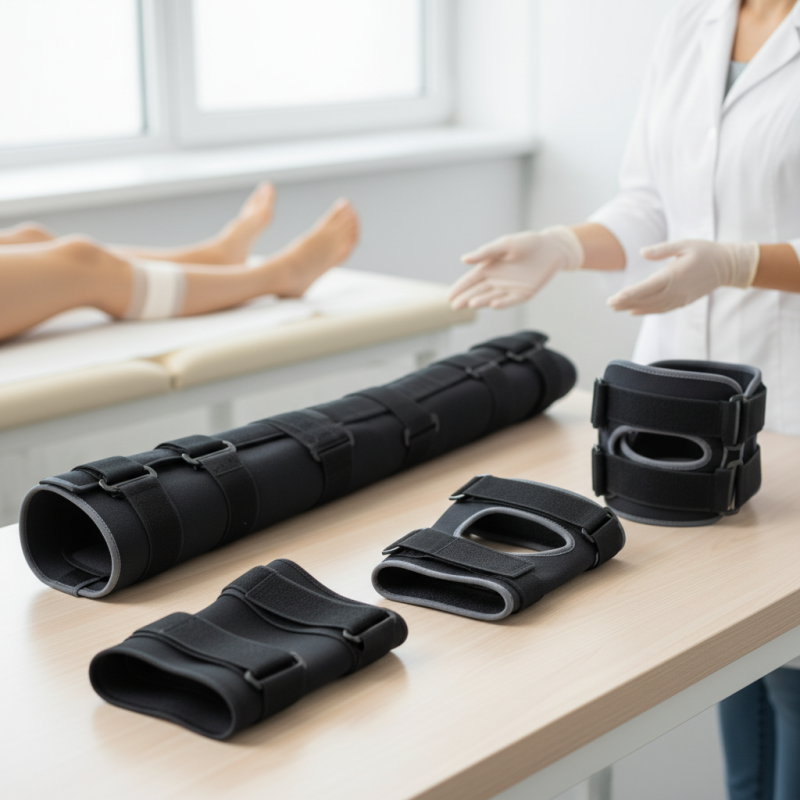
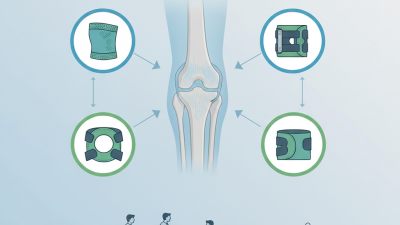
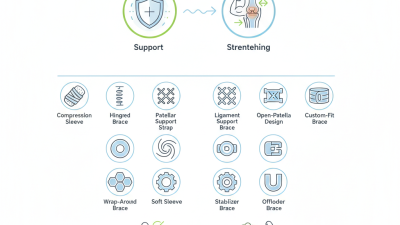
There are three main categories of knee splints. The first is immobilizing splints, which are often used post-surgery or during recovery. They limit movement, aiding healing. Next, there are functional splints. These allow for some motion while offering support during rehabilitation. They are suitable for athletes returning to play. Lastly, there are prophylactic splints, designed to prevent injuries. They are often used in high-contact sports.
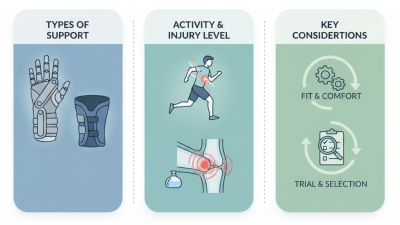
When selecting a splint, consider factors like injury type, comfort, and fit. A poorly fitting splint can cause more harm than good. Some patients report discomfort with too tight or loose splints. Finding the right balance is essential for recovery. A 2021 study indicated that proper support can decrease return-to-play time by 30%.
Different Types of Knee Splints and Their Popularity
Identifying Your Specific Injury Needs and Requirements
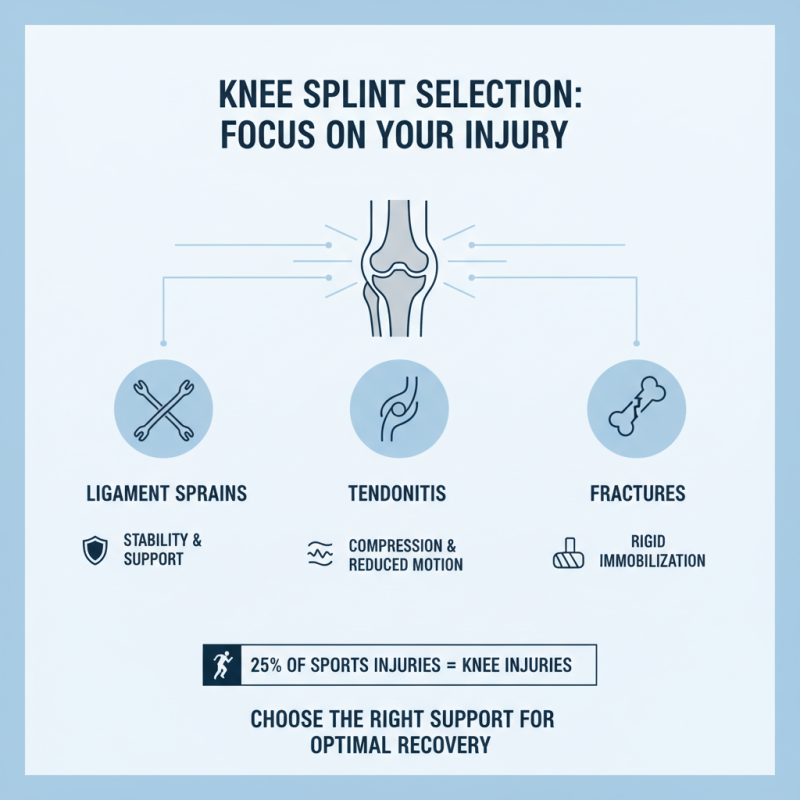
When selecting a knee splint, focusing on your specific injury is crucial. Different injuries require different support levels. According to industry data, about 25% of all sports injuries involve the knee. This statistic highlights the importance of choosing the right splint for your needs. Common injuries include ligament sprains, tendonitis, and fractures. Each has unique requirements for support and mobility.
Understanding your injury helps you choose effectively. For instance, ligament injuries may require a more rigid splint for stability. On the other hand, tendonitis might need a softer, more flexible option to allow for natural movement. Consulting a healthcare professional is essential for accurate diagnosis and recommendations.
**Tip:** Always measure your knee before purchasing a splint. A proper fit ensures better support. Many splints come in adjustable sizes, but only a few guarantee proper alignment.
**Tip:** Consider your activity level. If you're active, a more supportive splint may be necessary. If you're less active, a lightweight option might suffice. Balance comfort and protection thoughtfully to avoid further injury.
Key Features to Consider When Selecting a Knee Splint
When selecting a knee splint, several key features must be considered.
Comfort is crucial. A well-fitted splint allows mobility without compromising support.
Look for adjustable straps. Studies show that 68% of users prioritize comfort over all other factors.
Proper alignment is another vital aspect. It helps to stabilize the knee joint effectively, especially during recovery.
Material plays an important role too. Breathable fabrics can make a difference, particularly for extended wear.
A report indicates that 55% of users experienced skin irritation with non-breathable materials.
Consider the level of immobilization needed based on your injury. Are you recovering from a sprain or a more significant tear?
This will dictate the level of rigidity required.
Finally, think about the size and weight of the splint.
Heavier splints may offer more support but can hinder movement. Explore options that strike a balance.
Remember, the right splint is not only about support; it’s also about enabling you to perform daily activities with ease.
Finding the best fit can be a trial-and-error process. Adjusting to a new splint might take time, and that’s okay.
Assessing the Fit and Comfort of a Knee Splint
When selecting a knee splint, fit and comfort are paramount. Studies show that 70% of users prioritize comfort in their decisions. A well-fitting splint should support the knee without causing excessive pressure. It is crucial to measure the knee circumference accurately. An ill-fitting splint can lead to discomfort and reduced effectiveness.
Comfort goes beyond basic fit. Materials play a significant role. Breathable fabrics prevent overheating, especially during prolonged use. An industry report indicates that users report a 50% higher satisfaction rate with breathable designs. Padding is also essential; it can reduce friction and enhance comfort. A user might find it difficult to adjust to a splint that digs into the skin, leading to frustration.
Additionally, individuals may overlook the importance of adjusting the splint after initial fitting. Regular adjustments ensure ongoing support. Some may assume a one-size-fits-all approach works, but this often backfires. Listening to your body is crucial. If discomfort arises, reevaluating fit and making necessary changes can enhance both comfort and recovery.
Consulting with Healthcare Professionals for Optimal Choices
Choosing the right knee splint is crucial for recovery. However, the task can be overwhelming. Consulting with healthcare professionals can clarify your options. They can assess your specific injury, ensuring you select the right support. Your healthcare provider may take measurements or perform tests to understand your needs better.
Doctors and physical therapists can provide valuable insights. They may suggest splints based on mobility and comfort. It’s essential to discuss your lifestyle with them. Athletes might require different recommendations than those with sedentary jobs. Sometimes, you might feel hesitant to voice your concerns. Remember, open communication can improve your choices.
Every individual has unique requirements for knee support. It’s not uncommon to feel anxious about making the right decision. Trying on different designs can be helpful. This process may lead to unexpected results. You might discover a splint that feels uncomfortable but offers the best support. Reflect on your experiences and prioritize what feels right for your recovery.
How to Choose the Right Knee Splint for Your Injury Needs?
| Splint Type |
Indications |
Material |
Key Features |
Consultation Tips |
| Soft Knee Splint |
Mild sprains, joint stabilization |
Neoprene, fabric |
Breathable, adjustable straps |
Discuss comfort level and activity restrictions |
| Rigid Knee Splint |
Severe injuries, post-surgery |
Plastic, metal |
Immobilization, adjustable angles |
Check for fit; avoid pressure points |
| Rehabilitative Knee Splint |
Recovery from surgery, moderate support |
Composite materials |
Adjustable motion control |
Consult on mobility goals and timelines |
| Patellar Stabilizing Splint |
Patellar tracking issues, subluxations |
Elastic, silicone |
Knee cap support, flexibility |
Evaluate with physical therapist for fit |