Choosing the best Hand Brace in 2026 requires more than comparing prices, materials, or online ratings. It requires matching support with the injury, activity, and recovery stage.
The World Health Organization reports that approximately 1.71 billion people live with musculoskeletal conditions worldwide. This broad figure includes disorders affecting the wrist, thumb, fingers, and hand. The American Academy of Orthopaedic Surgeons also recognizes splinting as a common conservative option for selected hand and wrist problems. However, evidence is not equally strong for every brace design or diagnosis.
Fit matters.
A brace should stabilize the painful area without causing numbness, skin pressure, or restricted circulation. Breathable fabric, adjustable straps, and washable liners can improve daily comfort. These details become important during typing, lifting, driving, or sleep.
Hand surgeon Dr. Donald Lalonde has emphasized a practical treatment principle: “The best treatment is the least treatment necessary to get the best result.” That idea deserves attention when selecting a Hand Brace. Maximum stiffness is not always maximum protection. A rigid model may help after certain injuries, while a flexible support may suit mild strain or repetitive work.
Market reports from Grand View Research show continuing growth in orthopedic braces and supports, driven partly by sports injuries, aging populations, and home-based recovery. Still, market growth does not prove that every new product works well.
Some choices remain imperfect.
This guide examines clinical purpose, construction, sizing, comfort, and professional guidance. It also questions common marketing claims, because a comfortable brace that fits poorly can delay improvement rather than support it.
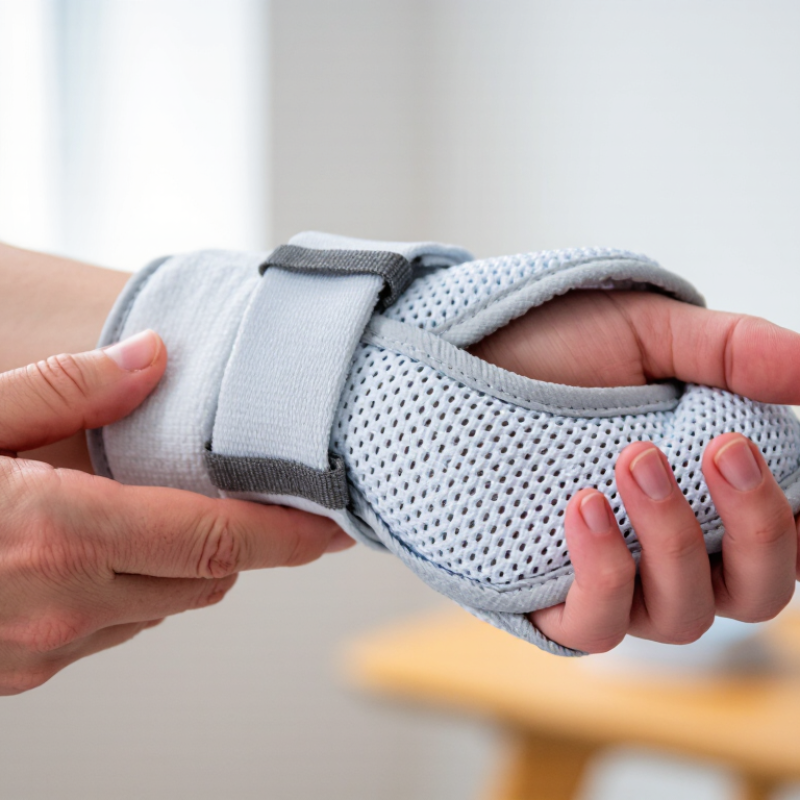
Start by defining the problem, not the product. Is your hand recovering from a sprain, supporting an irritated thumb, or resting during keyboard work? The goal changes everything. Pain reduction, joint stability, limited movement, and night-time support require different designs.
The World Health Organization estimates that about 1.71 billion people live with musculoskeletal conditions worldwide. That figure shows the scale, but it cannot diagnose your hand. A clinician’s assessment still matters.
Watch the exact movement that causes trouble. Does your wrist ache after lifting a pan? Does your thumb pinch when opening a jar? Note the location, timing, swelling, and numbness for several days.
The American Academy of Orthopaedic Surgeons emphasizes identifying the underlying condition before selecting support. A brace should fit securely without leaving deep marks, cold fingers, or tingling. It should also let you perform necessary tasks safely.
Comfort is not enough. A soft brace may suit mild support, while a rigid design may restrict motion more effectively after specific injuries.
The U.S. Bureau of Labor Statistics 2023 injury tables continue to highlight overexertion and bodily reaction as major workplace injury categories. Your work pattern therefore matters.
Measure both hand and wrist, then test the brace for ten minutes. Too loose fails quietly. Too tight fails faster. I would not choose a brace based only on online ratings; personal fit is the imperfect part many buyers underestimate.
How to Choose the Best Hand Brace in 2026?
A hand brace should match the task, not simply look supportive. A rigid wrist-hand orthosis limits movement and suits recovery after injury or surgery, while a flexible compression brace allows typing, lifting, and light daily work. Thumb-support designs are more suitable when pain centers around the thumb joint. Fit matters. The brace should hold the joint steady without causing numbness, cold fingers, or skin marks after ten minutes.
Design affects real-world use. Breathable mesh can reduce sweat during long wear, while adjustable straps help accommodate mild swelling. A low-profile brace fits beneath loose clothing, but slimmer materials may provide less stability. Grand View Research’s 2024 analysis valued the global orthopedic braces and supports market at roughly US$4 billion, reflecting wider demand for supportive, non-invasive care. That figure covers many body areas, not hands alone.
The World Health Organization reports that about 1.71 billion people live with musculoskeletal conditions worldwide. This makes comfort and safe usability important, not cosmetic details. Check the brace’s movement limits, washing instructions, and sizing measurements. Do not assume tighter means better. I have seen users choose maximum support, then abandon the brace because daily tasks became awkward. Professional assessment remains sensible when swelling, weakness, or persistent pain continues. Even a well-designed brace cannot correct the wrong diagnosis.
How to read this chart: A score of 1 indicates a feature commonly provided by that brace type; 0 means it is not its typical purpose. Designs vary, so check the product details and consult a healthcare professional for guidance.
Choosing a hand brace in 2026 starts with the job it must do. A wrist brace for nighttime tingling may need a different shape from one used during daytime tasks. Check the size chart, then measure the hand or wrist exactly where the instructions specify. A brace should feel secure, not tight. Fingers should stay warm and their usual color. Watch for pressure marks.
Fit matters more than a long feature list.
The Cochrane review “Splinting for carpal tunnel syndrome” assessed 19 studies involving 1,190 participants; it found limited, mostly low-quality evidence, with possible short-term benefit from night splinting.
That evidence concerns carpal tunnel symptoms, not every hand condition or brace design. Ask a clinician if symptoms persist or worsen. Materials matter, too: breathable fabric can feel cooler against skin, while a firm stay can limit wrist movement. But a rigid brace may feel awkward at a keyboard. Try fastening it, bending your fingers, and picking up a mug. Small details count. Removable liners help with washing, though seams can rub, and sizing charts cannot capture every hand shape. Comfort is not proof of treatment benefit.
A useful hand brace should match the support you need, not simply feel tight. For mild wrist discomfort during typing, a flexible brace may allow more movement. After an injury or procedure, a clinician may recommend firmer support. The right level depends on your condition and should not be guessed from appearance alone. Too much restriction can make ordinary tasks awkward. Too little may not provide the stability you need.
Adjustability matters throughout the day. Look for straps you can fasten without help and loosen when your hand swells or feels warm. Check that seams do not press into your skin and that your fingers remain comfortable and usable. A brace may feel fine for five minutes, then rub near the thumb after an hour. That detail is easy to miss. Fit can change with activity, and one design may not suit every task.
Tips: Try the brace while holding a mug, turning a door handle, and using a keyboard. Check your skin after removing it. Persistent numbness, worsening pain, or unusual color changes are reasons to stop using it and seek medical advice. Be honest about what feels inconvenient; people sometimes avoid a brace that is difficult to put on, even when its support seems appropriate. A clinician can help assess fit and support needs.
How to Choose the Best Hand Brace in 2026?
A safe hand brace should support movement, not eliminate it. WHO reports that 1.71 billion people live with musculoskeletal conditions worldwide. That figure makes careful selection important, especially for repetitive strain. Choose a neutral wrist position and gentle compression. Your fingers should remain warm and flexible. Stop using the brace if numbness, swelling, discoloration, or increasing pain appears. The perfect brace is a myth. Fit depends on your wrist shape, symptoms, and daily tasks. A clinician should assess injuries, persistent pain, or suspected nerve compression.
Check the size chart against your actual wrist measurement. A return option matters because sizing can be surprisingly inconsistent. Look for breathable fabric, smooth seams, adjustable closures, and published material information. Avoid relying on vague comfort claims. A rigid support may help during rest, but it can restrict useful movement during work. Care instructions should allow regular washing, complete air-drying, and easy inspection. Check stitching, fasteners, and padding each week. Replace the brace when it loses structure or causes skin irritation. Guidance from the U.S. National Institute for Occupational Safety and Health emphasizes fitting equipment to the worker and task, yet home users often overlook this point. Price alone proves little. Evidence, fit, and practical maintenance matter more.
| Decision Factor | What to Check | Practical Guidance | Safety and Care | Buying Considerations |
|---|---|---|---|---|
| Purpose and hand area | Identify whether support is needed for the wrist, thumb, fingers, or a combination. | Wrist braces, thumb-spica braces, and finger splints support different areas; they are not interchangeable. | For a new injury, severe pain, visible deformity, or suspected fracture, seek medical assessment rather than relying on a brace alone. | Check the product description and fit guide to confirm which joints the brace is designed to support. |
| Type and level of support | Look for the intended level of restriction, such as flexible support or a brace with a stabilizing stay. | A more rigid brace can limit movement more than a flexible support. Choose support appropriate to the intended use and professional advice. | Do not immobilize a joint longer than advised. Prolonged restriction may affect movement and function. | Compare construction and adjustability; avoid assuming that the most rigid option is automatically the best. |
| Fit and sizing | Use the maker’s measurement instructions and check whether sizing is based on wrist circumference, hand size, or another measurement. | Confirm whether the brace is for the left hand, right hand, or either hand. It should feel secure without painful pressure. | Remove or loosen it if you develop numbness, tingling, unusual swelling, skin color or temperature changes, or increasing pain; seek advice if symptoms persist. | Review the size chart, return policy, and whether the design is adjustable before ordering. |
| Comfort and daily tasks | Consider fabric feel, seams, bulk, closure placement, and whether the brace allows necessary tasks. | Try the brace during the activities for which it is intended, while following any wear instructions from a clinician. | Check the skin regularly, especially beneath straps and rigid edges. Stop using a brace that causes persistent irritation or pressure injury. | Product photos and measurements can help assess bulk, but comfort and fit may vary between individuals. |
| Material and skin sensitivity | Check the listed materials, lining, ventilation, and any care instructions; consider known allergies or sensitivities. | Breathable or washable materials may be useful for regular wear, but material descriptions do not guarantee suitability for sensitive skin. | Keep the brace and skin clean and dry. Ask a health professional for advice if you have fragile skin, reduced sensation, or circulation concerns. | Read the full materials and care details rather than relying only on terms such as “soft” or “breathable.” |
| Fasteners and adjustment | Assess whether straps, hook-and-loop closures, or other fasteners can be adjusted with the hand that remains free. | Closures should hold the brace in position without being overtightened. Recheck fit after adjusting. | Fasteners should not create focal pressure or restrict circulation. Follow the product’s instructions for placement and tension. | Look for clear fitting instructions and replacement or repair information if fasteners wear out. |
| Cleaning and maintenance | Check whether the brace is hand-washable, machine-washable, or wipe-clean, and whether any stay must be removed first. | Follow the care label. Allow the brace to dry fully before wearing it again; do not assume heat drying is suitable. | Inspect regularly for damaged seams, worn closures, sharp edges, or a bent or displaced stay. Replace a damaged brace if it no longer fits or supports as intended. | Care requirements can affect ongoing convenience; confirm them before purchase. |
| Buying channel | Compare pharmacies, medical-supply retailers, reputable online sellers, and options recommended by a clinician. | For complex symptoms or a brace prescribed after an injury or procedure, ask the treating professional to confirm the type and fit. | A brace is not a substitute for diagnosis or treatment. Seek prompt care for severe symptoms or worsening function. | Check sizing support, return or exchange terms, delivery details, and whether the seller provides complete product and care information. |
| When to get professional advice | Consider the cause of symptoms, duration, prior injury or surgery, and any existing health conditions. | A clinician can assess whether a brace is appropriate and advise on fit, wear schedule, and exercises or other care. | Get medical advice for persistent or worsening pain, new weakness, numbness, significant swelling, or symptoms after an injury. | If you are unsure which design to buy, ask a pharmacist, clinician, or qualified orthotics professional before choosing. |
Note: This comparison is general information, not a diagnosis or individualized treatment plan. Follow the instructions supplied with the brace and any guidance from your health professional.