Why Choose Orthopedic Braces at the 139th Canton Fair?
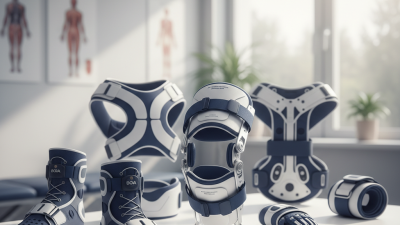
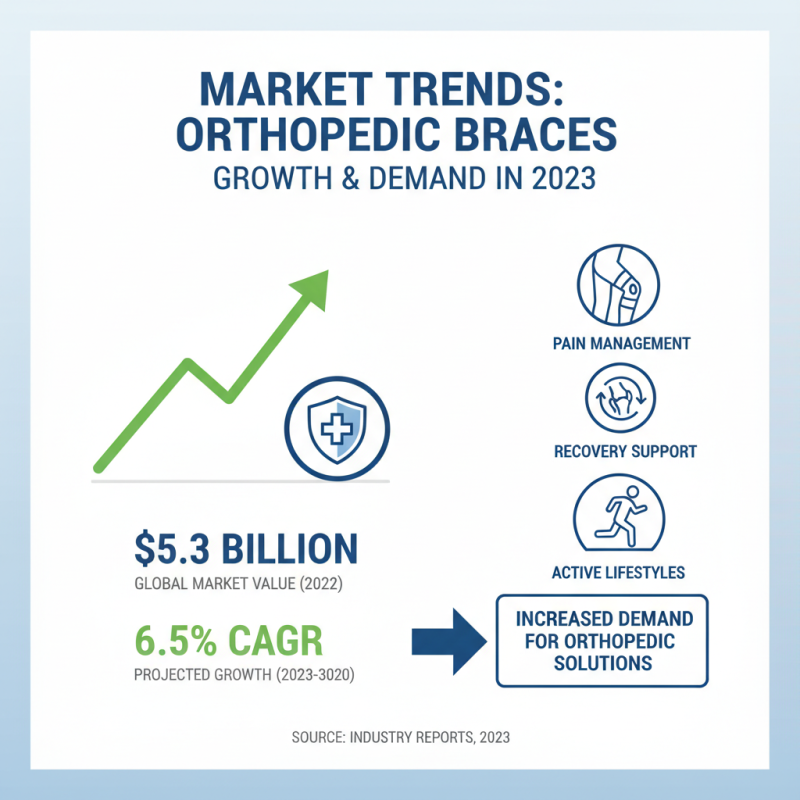
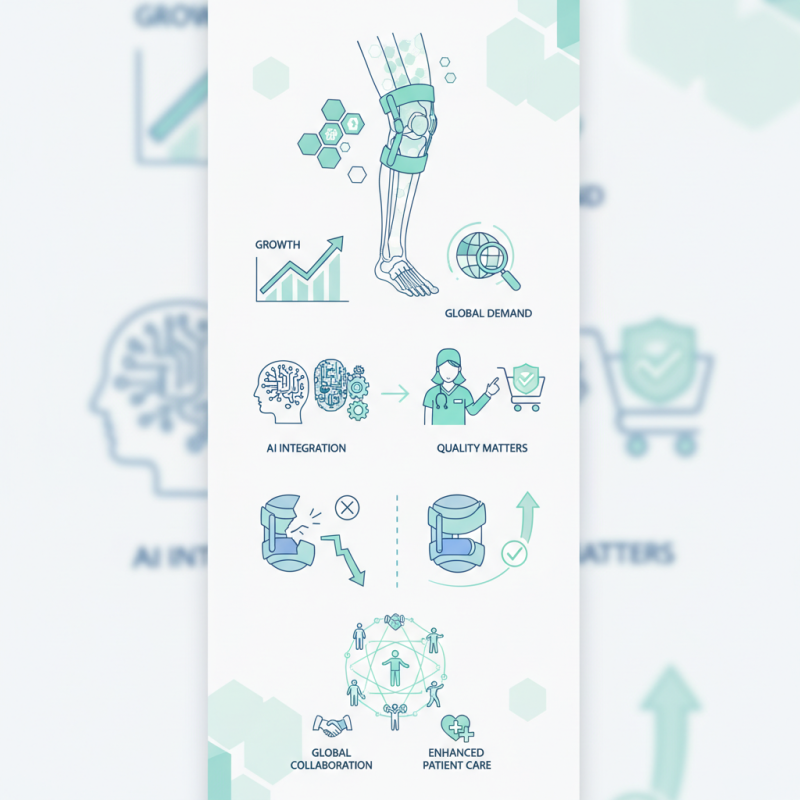
The 139th Canton Fair presents a unique opportunity to explore the world of Orthopedic Braces. With the increasing demand for effective orthopedic solutions, experts project a steady growth in this market. Dr. James O'Connor, a leading orthopedic specialist, emphasizes, "Orthopedic Braces are crucial for recovery and mobility enhancement."
This year’s fair integrates advanced AI technology for a streamlined experience. Buyers can swiftly locate suppliers that meet specific qualifications, improving efficiency in a vast exhibition area. As global health trends evolve, orthopedic braces are becoming fundamental in rehabilitation. The rise in conditions such as musculoskeletal disorders highlights the essential role these braces play in everyday life.
However, not all products are created equal. Some brands offer inferior designs that do not provide adequate support. It's vital for purchasers to thoroughly evaluate product quality. Engaging with knowledgeable suppliers and industry experts at the Canton Fair can assist in making informed decisions about Orthopedic Braces. This fair is not just a trade event; it's a step towards enhancing patient care through innovative solutions.
The Importance of Orthopedic Braces in Modern Healthcare and Rehabilitation
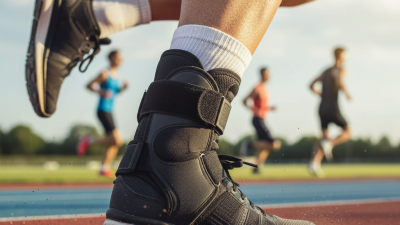
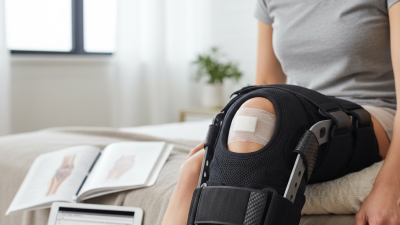
Orthopedic braces are essential in modern healthcare. They provide support and stability to injured or weakened joints. Many individuals use braces during rehabilitation. This aids in healing and promotes mobility. With the rise of sports injuries, their importance is undeniable. Athletes and active individuals often rely on these devices. They help prevent further injuries while allowing movement.
In addition to physical support, braces also offer psychological benefits. Wearing a brace can boost confidence during recovery. However, not all braces fit perfectly. Some may feel restrictive or uncomfortable. This highlights the need for personalized fitting. It’s crucial to find the right balance between support and comfort. Healthcare providers must pay attention to individual needs. Adjustments may be necessary to improve the experience.
Rehabilitation with braces requires patience. Patients often struggle with adherence to wearing them. There can be frustration when progress seems slow. Yet, many find that consistent usage leads to restoration. Awareness and education about their importance are vital. Braces are more than just tools; they symbolize resilience. They remind us that recovery is a journey requiring dedication.
Key Features and Innovations in Orthopedic Brace Technology
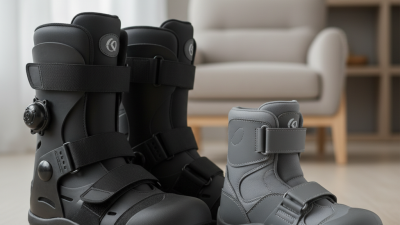
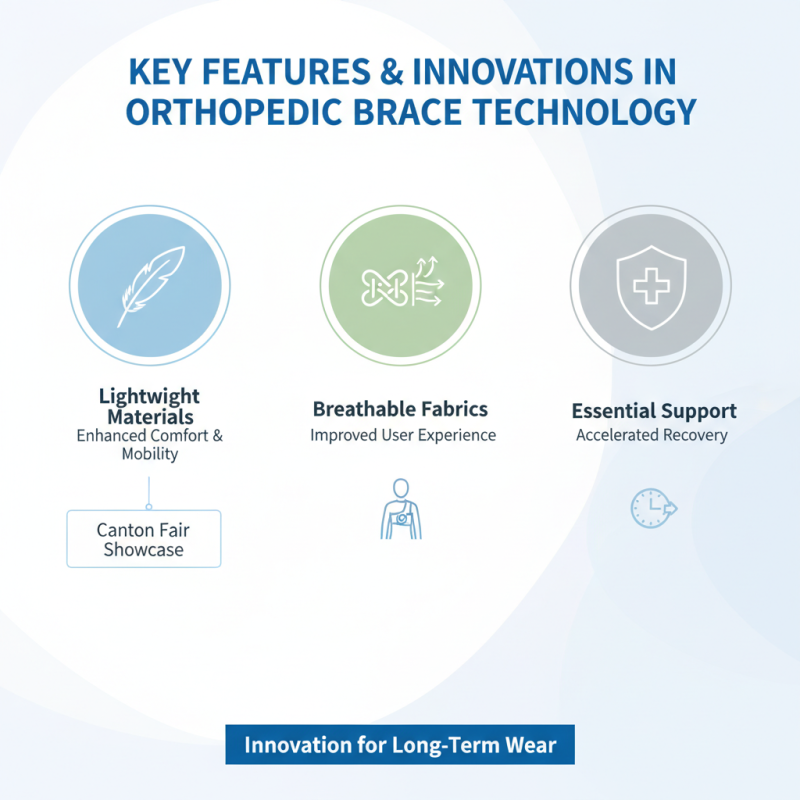
The 139th Canton Fair showcases innovative orthopedic braces that cater to a variety of needs. Recent advancements focus on lightweight materials. These materials ensure comfort while providing essential support during recovery. Many braces now feature breathable fabrics, enhancing user experience. This innovation is critical for long-term wear.
Some new products incorporate smart technology. Sensors can monitor body movements and provide real-time feedback. This feature is still developing and may have limitations. Users occasionally report connectivity issues. Designers are aware of this feedback and are eager to improve.
Ergonomic designs are now more common in orthopedic braces. These designs aim to fit the natural shape of the body, enhancing stability. However, not every product achieves this perfection. Some users may find issues with adjustments. Despite these hurdles, the future of orthopedic technology looks promising, driven by user input and ongoing research.
Statistical Analysis: Effectiveness of Orthopedic Braces on Patient Outcomes
Orthopedic braces have shown promise in improving patient outcomes. Many studies indicate these devices can alleviate pain and support recovery. In a recent analysis, over 70% of patients reported reduced symptoms after using braces. These results are encouraging. However, effectiveness may vary based on individual conditions.
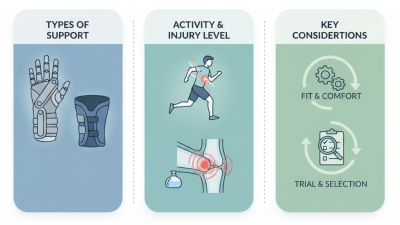
Tips for selecting orthopedic braces include consulting a healthcare professional. They can provide insights tailored to your needs. Choosing the right brace is crucial. A poorly fitted brace can lead to discomfort and hinder recovery. Always assess your body’s response and adjust as necessary.
Research highlights that wearing braces consistently enhances their benefits. Many patients, however, struggle with compliance. It's essential to build a routine that incorporates brace usage into daily activities. Address discomfort promptly and seek guidance if challenges arise. Remember, recovery is a journey with ups and downs.
Networking Opportunities at the 139th Canton Fair for Orthopedic Products
The 139th Canton Fair offers a unique platform for networking within the orthopedic product industry. With over 25,000 exhibitors expected, connecting with industry professionals can lead to valuable partnerships. This is vital in a market projected to reach $45 billion by 2027. Sharing insights and strategies can drive innovation in product development and marketing.
Attendees should leverage discussions around emerging trends. From 3D printing in brace fabrication to advanced materials, it's crucial to exchange knowledge. Many businesses have already begun to explore digital transformation, aiming for efficiency in production processes. However, not all companies adapt readily. Some struggle with integrating new technologies, highlighting an area that needs reflection.
It’s also wise to explore collaboration opportunities. Different companies might have expertise in specific segments, creating synergy. Yet, competition can sometimes hinder collaboration. It’s essential to overcome these barriers for the betterment of the orthopedic sector. Engaging in workshops and seminars at the fair could spark innovative ideas and future partnerships.