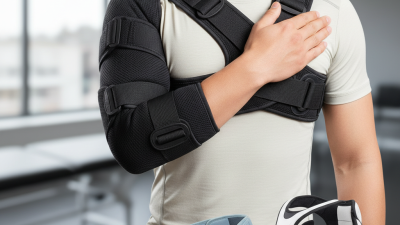
2026 Best Knee Braces Support for Active Lifestyles?
When engaging in active lifestyles, knee health is vital. Many athletes and fitness enthusiasts face knee challenges. They require solid support to maintain their activities. This is where knee braces support becomes essential.
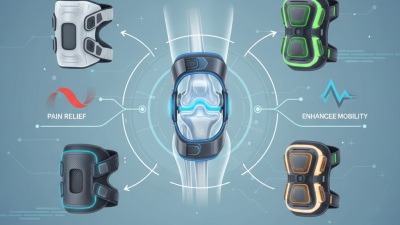
The right knee brace provides stability, reduces pain, and prevents further injury. Users should consider their specific needs. Not all braces are created equal; some offer light support, while others provide heavy-duty protection. Personal experiences vary widely, and what works for one may not work for another.
In the quest for the best knee braces support, choices abound. Research and expert recommendations can help. Try to find options that balance comfort, functionality, and durability. The ideal brace should enhance performance without limiting movement. Each decision may come with reflections on what truly supports your active journey.
Types of Knee Braces for Active Lifestyles
Active lifestyles often lead to knee strain or injury. Understanding the types of knee braces can help you manage these challenges effectively.
Many people benefit from sleeves, which provide compression and warmth. They improve blood flow and reduce swelling during exercise. These braces are ideal for light support. However, they may not be sufficient for severe injuries.
Another option is hinged braces. These offer stability through the knee's range of motion. They are often recommended for individuals recovering from surgery or experiencing ligament issues. Although they provide excellent support, they can be bulky and less comfortable for daily wear. It’s essential to find the right balance between mobility and protection. Each person's needs vary, so consider consulting with a healthcare professional.
2026 Best Knee Braces Support for Active Lifestyles
This bar chart illustrates the effectiveness of various types of knee braces for different activities based on user feedback. Each type of knee brace is rated on a scale of 1 to 10, representing their support and comfort level during active lifestyles.
Factors to Consider When Choosing a Knee Brace
Choosing the right knee brace is crucial for active individuals. With various designs available, understanding key factors will help in making the best choice. Comfort is paramount. A brace should fit snugly but not too tight. Look for adjustable options that can accommodate swelling or changes throughout the day. Material matters too; breathable fabrics can enhance comfort during intense activities.
Support level is another critical aspect. Some braces offer rigid support while others provide flexibility. For sports like running, a lightweight brace may suffice. However, for heavier lifting, a more supportive option could be necessary. Take your time to assess what feels right for your activities.
Don’t forget about ease of use. Some braces can be cumbersome to put on. A complicated design can deter you from wearing it consistently. Look for user-friendly models that do not disrupt your routine. Experiment with different styles to find what works for you. Always listen to your body. If discomfort arises, reevaluate your choice.
Top Brands for Knee Braces in 2026
When seeking the best knee braces for an active lifestyle, several top brands differentiate themselves in 2026. These brands focus on support, comfort, and mobility. Many athletes and active individuals rely on knee braces not just to prevent injuries, but also to aid recovery. This growing demand has led brands to innovate and incorporate advanced materials.
A well-designed brace can provide stability while allowing movement. Most users appreciate how lightweight and breathable these braces are. Specific features, such as adjustable straps, enhance fit and effectiveness. Some brands offer customizable options to suit individual needs. However, not every product fits all situations. Users often report discomfort after prolonged wear, prompting the need for a trial period to find the perfect match.
Additionally, the importance of expert recommendations cannot be overstated. Products must be backed by professionals in sports medicine. Consulting with healthcare providers helps in choosing the right brace. The variety in available options can be overwhelming at times. Some users may feel lost in the myriad of choices. It's crucial to consider personal activity levels and any previous injuries when selecting a knee brace. Always prioritize finding a balance between support and freedom of movement.
User Reviews and Ratings of Knee Braces
Knee braces have become essential for those leading active lifestyles. According to a 2022 report by the American Orthopedic Society for Sports Medicine, over 30 million people in the U.S. experience knee injuries annually. This highlights the need for supportive devices that can prevent aggravation of existing injuries and promote healing. User reviews reveal mixed experiences, with comfort and adjustability frequently mentioned as key factors.
Many active individuals seek braces that balance support and mobility. Feedback often emphasizes the importance of fit. A poor fit can lead to discomfort, making it difficult to engage in sports. Reports indicate that 40% of users find their knee brace inadequate for high-impact activities. Conversely, those who found the right fit frequently highlighted significant improvements in confidence and performance during exercise.
While many bracing options exist, not all users report satisfaction. Some braces may restrict movement, causing frustration. Real users express concerns about chafing and weight. For instance, lightweight materials are essential for runners, yet not all models utilize them effectively. The user's experience plays a pivotal role in knee brace effectiveness. Overall, the market demands a mix of comfort, support, and quality to ensure a satisfying user experience.
Tips for Proper Use and Maintenance of Knee Braces
Knee braces play a vital role in supporting active lifestyles. Their proper use and maintenance significantly enhance their effectiveness. Understanding the right way to wear and care for these devices can prevent injuries and prolong their lifespan.
When fitting a knee brace, ensure a snug yet comfortable fit. An ill-fitting brace can lead to chafing or decreased support. Reports indicate that around 40% of users experience discomfort due to improper sizing. Regularly inspecting the brace for wear can help catch any issues early. Maintain the material's integrity by cleaning it according to the manufacturer’s instructions, using mild soap and air drying it completely.
Tips for proper maintenance include storing the brace in a cool, dry place. This prevents material degradation caused by humidity and excess heat. Avoid exposing the brace to direct sunlight, as this can weaken the elastic components. Remember that while technology has advanced, some braces may not provide support indefinitely. Assess whether your brace continues to meet your activity needs, especially if you find your performance diminishing.
2026 Best Knee Braces Support for Active Lifestyles
| Type of Knee Brace |
Support Level |
Material |
Adjustment Mechanism |
Ideal For |
| Patella Stabilizing Brace |
Medium |
Neoprene |
Velcro straps |
Athletes with patellar issues |
| Hinged Knee Brace |
High |
Polyester & Metal |
Adjustable straps |
Post-injury support |
| Compression Sleeve |
Low |
Spandex |
Elastic fit |
Light support during workouts |
| Rehabilitative Brace |
Very High |
Rigid plastic |
Buckle system |
Post-surgery recovery |
| Sports Knee Brace |
Medium to High |
Nylon & Gel |
Corded pull |
Contact sports enthusiasts |