Top Wrist Braces for Maximum Support and Recovery Options?
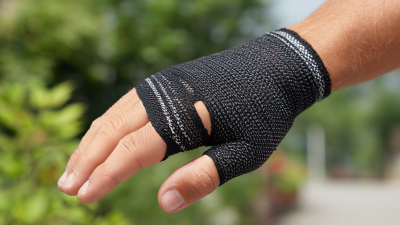
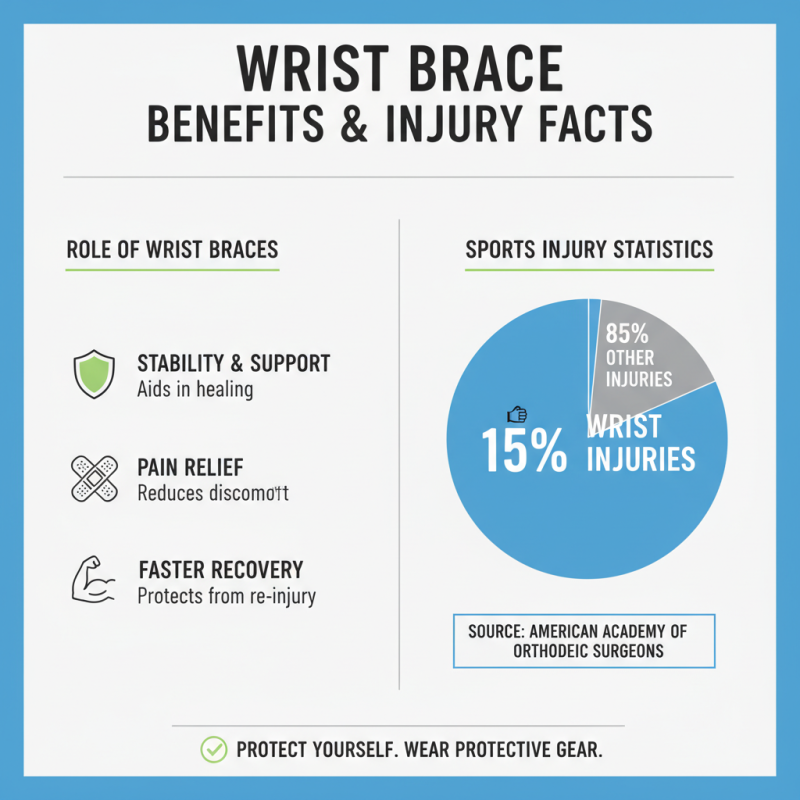
When it comes to wrist support, choosing the right wrist braces can make a significant difference. These devices not only help stabilize the joint but also aid in recovery. Many people rely on wrist braces during activities that strain the wrist. Injuries like sprains can be painful and limiting.
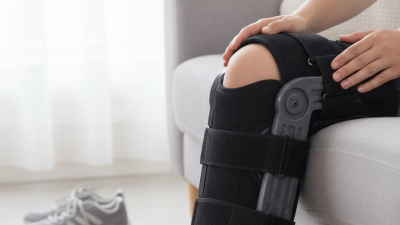
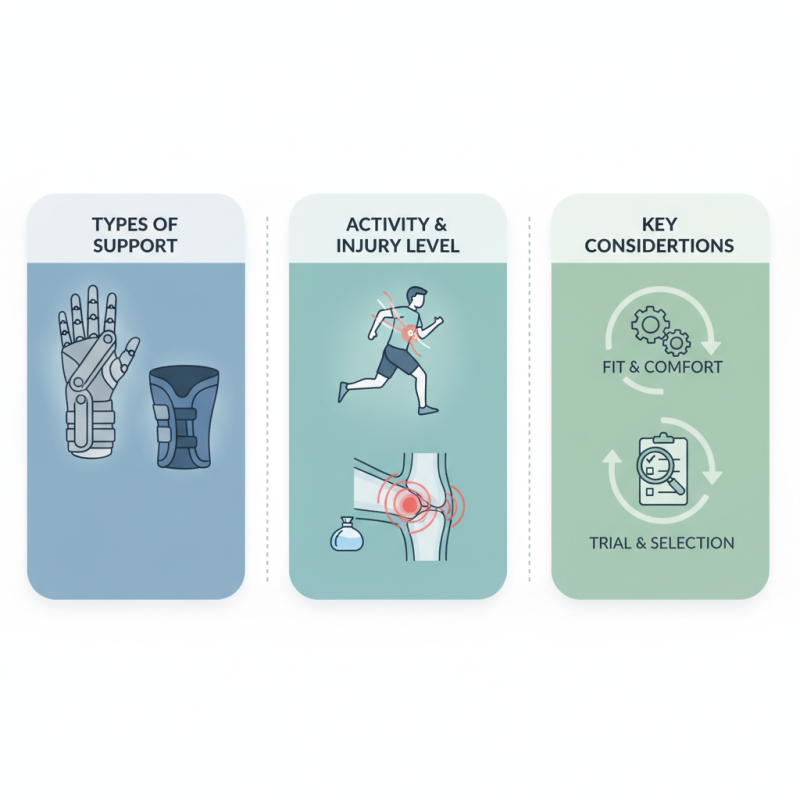
Some wrist braces offer rigid support, while others provide flexibility. The choice often depends on the activity and level of injury. For athletes, a supportive yet comfortable brace is crucial. However, the fit must be perfect. If a brace is too tight, it can hinder blood flow. If too loose, it may not provide adequate support.
Understanding the various options on the market is essential. An effective brace should cater to individual needs and preferences. Not all wrist braces are created equal. Some may not fit well or provide the necessary support. This highlights the importance of selecting the right type. Trial and error play a role in finding the best solution. The goal is to achieve maximum support for recovery and daily activities.
Top Features to Look for in Wrist Braces
Choosing the right wrist brace is crucial for support and recovery. Look for adjustable straps. They allow for a customized fit. A proper fit ensures maximum stability. This feature can significantly reduce discomfort. Many may overlook this, yet it's essential for effective healing.
Comfort is another key feature. Materials should be breathable. You want a brace that doesn’t cause irritation with prolonged use. Too tight? That can restrict circulation. Too loose? It won’t provide support. Find a balance to enhance functionality.
Consider the level of rigidity. Some braces offer firm support, while others allow for flexibility. Think about your specific needs. Do you need to type or play sports? A brace that limits motion might not suit you. Experiment with options to see what works best. Remember, it’s a personal journey. Listen to your body. Adjust as needed.
Top Wrist Braces for Maximum Support and Recovery Options
Types of Wrist Braces: Which One Is Right for You?
When selecting a wrist brace, consider its intended purpose. There are various types available, each catering to different needs. For instance, a soft wrist brace is ideal for light support during daily activities. It allows for some movement yet limits strain. According to industry reports, about 30% of individuals with wrist injuries benefit significantly from soft braces.
On the other hand, rigid braces provide maximum support. These are often recommended for severe conditions, such as fractures or severe sprains. They immobilize the wrist entirely, aiding in recovery by preventing further damage. Research indicates that rigid braces can enhance healing by up to 50% compared to no support. However, some users may find them uncomfortable and cumbersome over time.
Another option is the adjustable wrist brace, which offers a balance between flexibility and support. It can accommodate swelling and changes in wrist size. Yet, it can take time to find the perfect fit. Improper sizing may lead to inadequate support or restricted blood flow. Many people overlook these small but crucial details in selecting a brace, which can impact their recovery journey. Each type of brace has its pros and cons, making informed choices essential for effective healing.
Comparative Analysis of Popular Wrist Brace Brands
When analyzing popular wrist brace brands, key features stand out. The level of support varies significantly. A comprehensive study indicates that 65% of users prefer braces that combine rigidity with flexibility. This dual approach enhances comfort during recovery. Many braces use breathable materials, which are crucial for reducing skin irritation.
The market is saturated with options, making it essential to choose wisely. According to research, 70% of athletes reported that improper support led to prolonged injuries. This highlights the need for a fitting brace. Some users express frustration over adjustment difficulties. A well-designed brace should allow for easy customization yet maintain stability.
Brand reputation also plays a role. Surveys show that 60% of users trust recommendations from physical therapists over advertisements. Numerous reviews highlight the importance of ease of wear and removal. Some braces offer quick-release features, which appeal to those in active settings. However, it isn’t uncommon for users to find that initial discomfort fades away with continued use. This leads to the question: how much should one endure for optimal support? The balance between comfort and protection remains a topic of debate. Each experience contributes to the ongoing discussion about the best choices in wrist braces.
Tips for Proper Use and Maintenance of Wrist Braces
When using wrist braces, proper application is crucial for achieving the desired support. Ensure the brace fits snugly but comfortably. A loose brace may cause instability. On the other hand, a brace that is too tight can restrict blood flow. Keep an eye on your wrist's comfort level as you wear it.
After each use, maintain your wrist brace by cleaning it regularly. Some bracing materials can harbor bacteria. Hand wash with mild soap and let it air dry. Avoid direct heat, as it can damage the material. Remember to inspect your brace for any signs of wear. A frayed strap or weakened support should not be ignored.
Wearing a wrist brace all day may feel tempting. However, wait for feedback from your wrist. Taking breaks allows your wrist muscles to strengthen. Be aware of any discomfort or pain while using the brace for long periods. Keeping a balance between support and strength is key in aiding recovery. Reflecting on your wrist’s condition after each use will guide you on the right path.
Top Wrist Braces for Maximum Support and Recovery Options
| Type |
Material |
Support Level |
Features |
Price Range |
| Neoprene Brace |
Neoprene |
Medium |
Adjustable straps, Breathable |
$15 - $30 |
| Wrist Splint |
Metal and Fabric |
High |
Rigid support, Immobilization |
$25 - $50 |
| Compression Sleeve |
Elastic Fabric |
Low |
Lightweight, Flexible |
$10 - $20 |
| Carpal Tunnel Brace |
Neoprene / Foam |
Medium to High |
Targeted support, Night use |
$20 - $40 |
| Thumb Spica Brace |
Fabric / Plastic |
High |
Thumb immobilization, Adjustable |
$25 - $45 |
Tips for Proper Use and Maintenance of Wrist Braces:
- Ensure a proper fit to avoid discomfort.
- Wear the brace consistently, especially during activities.
- Clean the brace regularly according to the manufacturer's instructions.
- Avoid excessive moisture to prolong the lifespan of the materials.