Top Wrist Braces for 2026 How to Choose the Best Option?
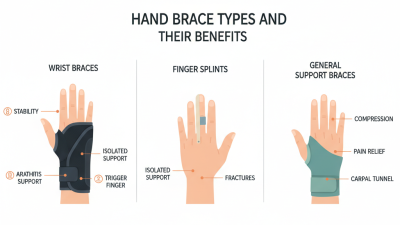
Choosing the right wrist braces can significantly impact your comfort and recovery. With so many options available in 2026, it’s essential to understand what suits your needs best. Wrist braces come in various styles, each designed for specific purposes. They can help with injuries, provide support during physical activities, or aid in pain management.
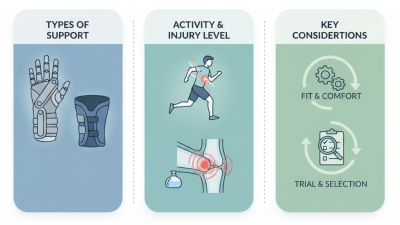
When selecting wrist braces, consider the level of support you need. Some braces are designed for mild support, while others offer more stabilization for severe injuries. Look for features like adjustable straps and breathable materials. These elements enhance comfort and ensure the brace fits snugly without restricting blood flow.
While choosing wrist braces, it's crucial to reflect on your lifestyle and activity levels. They should not only provide support but also allow you to engage in daily activities. Finding the perfect balance between protection and flexibility might take some time. Be willing to experiment with different options to determine what feels best for you.
Understanding Wrist Injuries: Types and Common Causes
Wrist injuries are surprisingly common. They can occur in various settings. Understanding these injuries is crucial for prevention. Common types of wrist injuries include sprains, strains, and fractures. These injuries often arise from sudden impacts or repetitive motions.
Sports activities are a frequent cause. Athletes often push their bodies to the limit. Overuse can lead to conditions like carpal tunnel syndrome. This occurs when the median nerve is compressed. Improper technique while lifting weights can also be a factor.
Accidents account for many wrist injuries as well. Falling onto outstretched hands often results in a fracture. Work-related tasks, especially those involving repetitive tasks, can contribute as well. Addressing poor posture and ergonomic practices is essential. Neglecting these factors may lead to serious conditions over time. Awareness and proactive measures can help mitigate risks. Consider strengthening exercises and adequate warm-ups. These simple actions may prevent further issues.
Top Wrist Braces for 2026 - How to Choose the Best Option?
| Wrist Brace Type |
Material |
Support Level |
Common Use Cases |
Price Range (USD) |
| Wrist Brace with Splint |
Neoprene, Polyester |
High |
Wrist Sprains, Carpal Tunnel Syndrome |
$30 - $60 |
| Compression Wrist Sleeve |
Elastic, Nylon |
Medium |
Mild Strains, Arthritis |
$15 - $30 |
| Adjustable Wrist Brace |
Cotton, Polyester |
Low |
General Support, Daily Use |
$10 - $25 |
| Thermal Wrist Brace |
Neoprene |
Medium to High |
Tendonitis, Cold Weather Support |
$20 - $40 |
| Post-Surgery Wrist Brace |
Plastic, Foam |
Very High |
Post-Operative Recovery |
$50 - $80 |
Key Features of Effective Wrist Braces: Materials, Design, and Support
When choosing a wrist brace, consider essential features that enhance comfort and support. Effective wrist braces are usually made from breathable materials. Fabric like neoprene offers flexibility and thermal insulation. This keeps the wrist warm without overheating. A study by the Journal of Hand Surgery indicates that proper material significantly affects recovery times for wrist injuries.
In addition to materials, the design of the brace plays a crucial role. A good brace supports the wrist while allowing for a range of motion. Look for adjustable straps to customize fit and pressure. This adaptability can help in preventing further injury. According to the American Academy of Orthopaedic Surgeons, a well-fitted brace can alleviate pain and promote healing.
Tips: Always check the sizing guide. An ill-fitting brace can lead to discomfort. Consider your daily activities when selecting a brace. If you type a lot, opt for one that allows for some wrist movement. Make sure the design fits your lifestyle. Aesthetic appeal matters too; after all, you’ll wear this brace frequently.
Top Brands in Wrist Braces for 2026: Analyzing Market Leaders and Innovations
The market for wrist braces in 2026 is evolving rapidly. Innovations are surfacing that improve comfort and support. Leading brands focus on materials that provide both flexibility and stability. Users need to evaluate options based on their specific needs. Comfort is crucial for long-term wear. A wrist brace should not restrict movement but prevent injury.
When analyzing market leaders, one must consider user reviews and expert opinions. These insights highlight the effectiveness of different designs. Some braces excel in providing warmth and circulation, while others prioritize immobilization. Advanced manufacturing techniques are creating lightweight options. However, not all innovations meet the expectations of every user.
Adaptability is key. A wrist brace may suit someone’s needs but not another’s. It’s essential to assess how a brace fits into daily activities. Many users report that a high level of adjustability improves their experience. But, finding the perfect fit is often a journey of trial and error. Each individual’s experience can vary greatly, emphasizing the importance of personal research before making a choice.
User Reviews and Clinical Studies: Evaluating Effectiveness of Wrist Braces
When selecting a wrist brace, user reviews play a crucial role. A significant number of users report varying levels of satisfaction. According to a 2023 industry report, about 65% of responders found improvement in pain relief after consistent use of wrist braces. However, not all products deliver promised results. Some users experienced discomfort, suggesting that fit and material quality may vary widely.
Clinical studies enhance the credibility of wrist brace efficacy. A notable study published in the Journal of Orthopedic Research in 2022 found that participants using wrist braces demonstrated a 30% improvement in wrist function compared to those without braces. Effectiveness can depend heavily on specific conditions. Conditions like carpal tunnel syndrome often require different support styles than strains or sprains.
Inconsistent results prompt users to reflect deeply on their choices. Custom-fit braces often outperform over-the-counter options, according to multiple clinical sources. Still, affordability remains a concern. The challenge is achieving the right balance between effectiveness and cost. The best option may not always be the most expensive. Personal experience, coupled with these insights, guides individuals toward informed choices.
Effectiveness of Different Wrist Brace Types Based on User Reviews
Selecting the Right Size and Fit: Importance for Injury Prevention and Recovery
When selecting a wrist brace, the right size and fit are crucial.
A proper fit ensures effective support during daily activities or while recovering from injuries.
If the brace is too tight, it may restrict blood flow. If it’s too loose, the brace won't provide adequate support.
Tips: Measure your wrist accurately before making a purchase. Use a soft measuring tape, and consider the width and circumference. Adjust the size based on the brace's specifications.
Many people overlook the importance of trying the brace on. Take the time to walk around with it.
Pay attention to how it feels as you move your wrist. A well-fitted brace should feel snug yet comfortable.
If possible, test different styles. Each design caters to specific needs, from basic support to more advanced features.
Remember that a wrist brace is not a one-size-fits-all solution.
Your personal comfort matters as much as the brace's intended purpose. Reflect on your experience with different options.
Think about how each fit affects your daily tasks and recovery journey.