Top Uses of Casting Tape for Efficient Medical and DIY Applications?
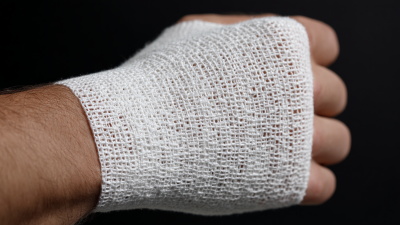
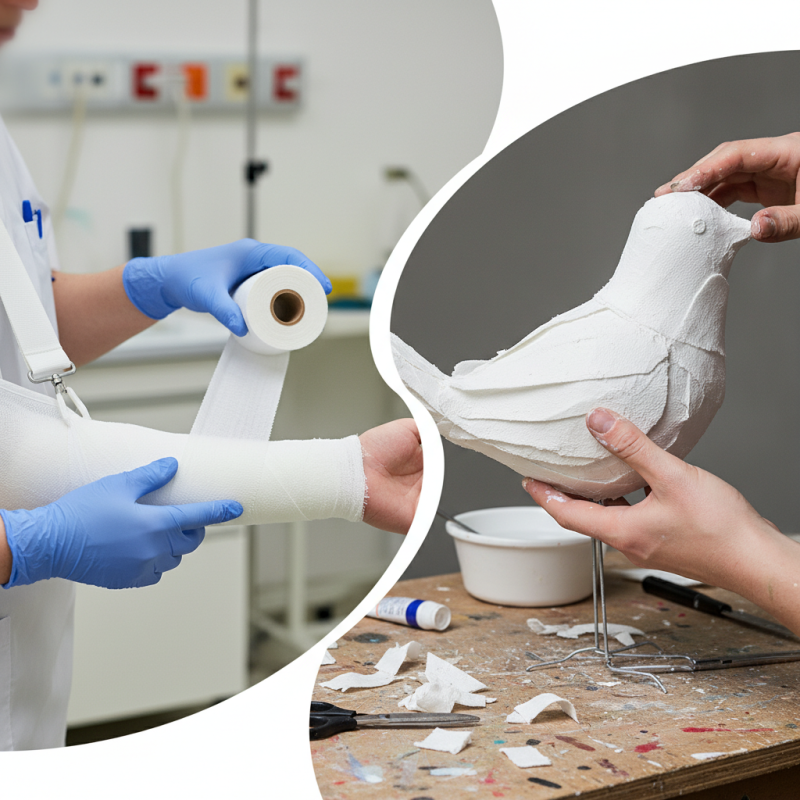
Casting tape is a versatile material used in various medical and DIY applications. Its unique properties make it ideal for immobilizing injuries and creating custom molds. In medical settings, casting tape provides support for fractures and sprains. It adheres well and cures quickly, ensuring bones heal properly.
In DIY projects, casting tape serves different functions. Crafters often use it to create sculptures or protective casings. Its lightweight yet strong nature allows for easy manipulation. However, working with casting tape requires some skill. Improper application can lead to weak or uneven molds.
While casting tape is beneficial, it’s not without challenges. Users may encounter difficulties in achieving a smooth finish. It’s crucial to practice and refine techniques. Nevertheless, the potential of casting tape remains significant. Its wide range of uses continues to expand, making it a valuable resource in both medical and creative fields.
Overview of Casting Tape and Its Composition
Casting tape plays a significant role in medical applications. Its composition primarily includes fiberglass and a polymer matrix. This combination provides strength and flexibility. The fiberglass allows the tape to form around a limb, while the polymer ensures adherence and durability. A study found that casting tape can be up to 40% lighter than traditional plaster casts. This weight reduction greatly improves patient comfort.
In DIY applications, casting tape expands its utility. People often use it for repairs and artistic projects. Its ease of use stands out. Simply wetting the tape activates its adhesive properties. Many hobbyists appreciate this feature, enabling them to create complex shapes easily. However, there’s a learning curve involved. The finished products sometimes lack the desired finish. Thickness variations can also lead to inconsistency.
The health care industry emphasizes patient experience alongside functionality. Unconventional materials in casting tape allow for rapid curing time. Reports suggest that reduced curing times may cut resource costs by 30%. Yet, misapplication or improper handling of the tape can result in complications. Awareness of these factors remains crucial for effective use.
Key Medical Applications of Casting Tape in Orthopedics
Casting tape plays a crucial role in orthopedics, offering strong support and flexibility. It is widely used for immobilizing fractures and sprains. According to industry reports, the global demand for casting tape in orthopedic applications has surged by 15% over the past two years. This reflects its effectiveness in patient care and rehabilitation.
One key advantage of casting tape is its lightweight nature. This feature enhances patient comfort, particularly for prolonged use. Many medical professionals see faster recovery rates, attributing this to reduced muscle atrophy. Yet, one challenge remains: patient adherence to doctor recommendations. Some patients replace or alter casts, unintentionally causing complications.
Tips: Always ensure the casting tape is reapplied correctly if damage occurs. Educate patients about the importance of keeping the cast dry. Regular check-ups can help identify any issues early. Fostering good communication between healthcare providers and patients is essential.
Casting tape is not limited to medical uses. DIY applications also flourish. Many find it useful for crafts or home repairs. However, understanding its limitations is crucial. Some projects may require additional materials for strength. Balancing creativity with practicality can lead to impressive results.
DIY Uses of Casting Tape in Home Repair and Crafts
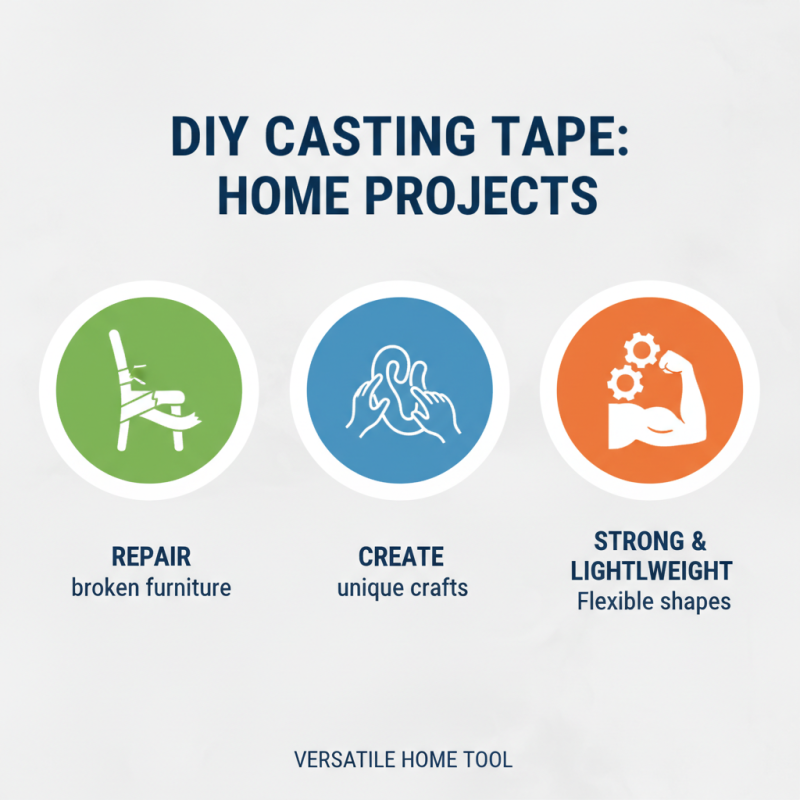
Casting tape is a versatile tool, perfect for various DIY projects at home. From repairing broken furniture to creating unique crafts, this material is both strong and lightweight. Its flexibility allows for complex shapes, making it ideal for anyone looking to add a personal touch to their creations.
When using casting tape for home repairs, it’s essential to prepare the surface well. Clean and dry the area before applying the tape. This step ensures a strong bond. You might find it helpful to overlap the layers slightly for added strength. However, be careful not to use too much tape; excess layers can make the repair bulky.
In crafts, casting tape opens up endless possibilities. You can mold it into various shapes, such as decorative bowls or sculptures. Use a plastic mold for intricate designs. Remember to work quickly, as the tape sets fast. Experiment with colors or add embellishments to make your craft stand out, but don’t fret if it doesn’t turn out perfect. Each attempt brings valuable lessons.
Comparison of Casting Tape with Traditional Plaster Casts
When comparing casting tape to traditional plaster casts, a few key differences emerge. Casting tape is lightweight. The ease of application is notable as well. Medical professionals often prefer casting tape for its convenience. Plaster casts can be heavy and cumbersome. Poorly applied plaster may lead to discomfort or irritation. This can turn a simple recovery process into a frustrating experience.
Another benefit of casting tape is its quick drying time. Patients appreciate this. They regain mobility faster when using casting tape. Traditional plaster can take hours to set and cure. This can delay treatment and create inconvenience. However, it's important to recognize that not all fractures are suitable for casting tape. Severe injuries may still require traditional methods.
Despite its advantages, casting tape has downsides. It's typically more expensive than plaster. For those on a budget, this can be a concern. Some people feel unsure about the durability of tape. Will it hold up over time? These uncertainties can affect a patient's peace of mind. It's essential to weigh both options carefully.
Top Uses of Casting Tape for Efficient Medical and DIY Applications
| Application |
Casting Tape Benefits |
Traditional Plaster Casts |
| Fracture Management |
Lightweight and durable |
Heavy and less durable |
| Splinting |
Quick application and setting |
Time-consuming to apply |
| Orthopedic Uses |
Provides support and immobilization |
Less comfortable and supportive |
| DIY Projects |
Versatile for crafts and repairs |
Limited application in crafts |
| Custom Mold Making |
Easily shaped to fit |
Difficult to mold accurately |
Safety and Best Practices for Using Casting Tape Effectively
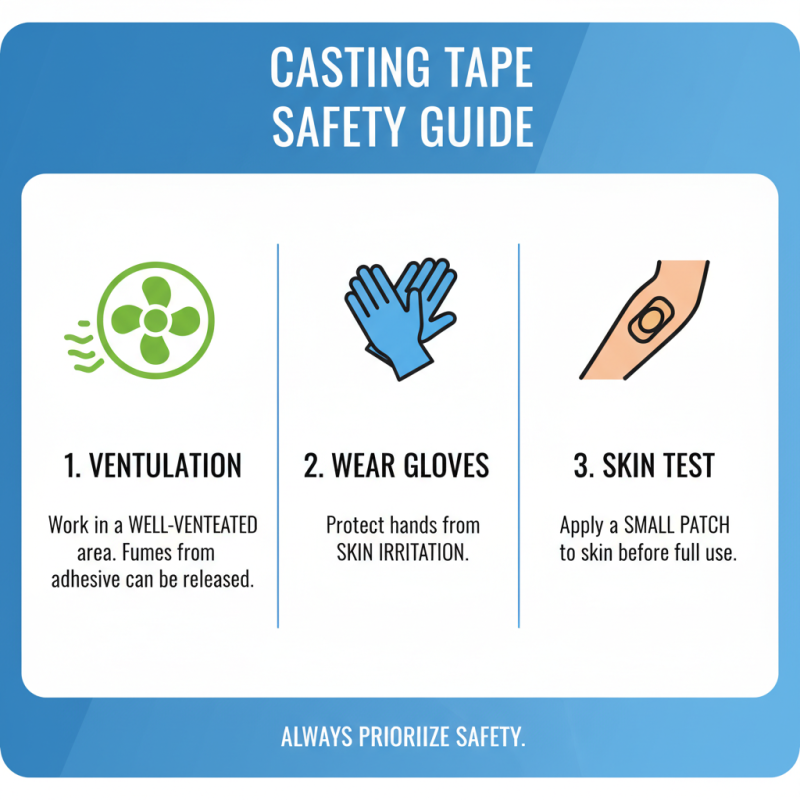
When using casting tape, it is crucial to consider safety. Make sure to work in a well-ventilated area. The adhesive in the tape can release fumes. Always wear gloves to protect your hands. Skin irritation can occur if the tape comes into direct contact with sensitive skin. To avoid such issues, test a small patch on the skin before use.
Proper application techniques are essential for effectiveness. Begin by cutting the tape to the desired length. A wrong measurement may lead to waste. Apply the tape with even pressure and avoid wrinkles. Smooth surfaces help the tape bond better. Ensure there are no gaps. These can cause an inefficient cast. If mistakes happen, don't hesitate to redo sections. It’s a learning process.
After you complete your project, allow enough curing time. Rushing this step can weaken the structure. While working with casting tape is relatively straightforward, practice helps. Consider starting with small projects or repairs. Learn from each application experience. Mistakes are opportunities for improvement. This mindful approach enhances your skills over time.