Top 5 Tips for Choosing the Best Shoulder Braces?
Choosing the right shoulder braces can significantly impact your recovery and daily comfort. According to a report by the American Physical Therapy Association, nearly 40% of adults experience shoulder pain at some point in their lives. This statistic underscores the importance of selecting the appropriate support for your needs.
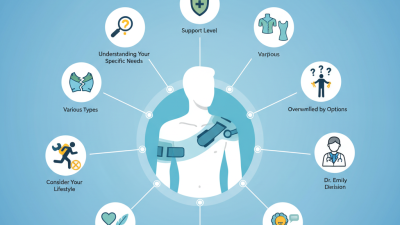
However, navigating the market can be overwhelming. With numerous brands and features available, making an informed choice is crucial. Poorly matched shoulder braces can lead to discomfort or ineffective support. A common mistake is neglecting to consider one's specific condition or activity level. Therefore, understanding what features to prioritize is essential for optimal recovery.
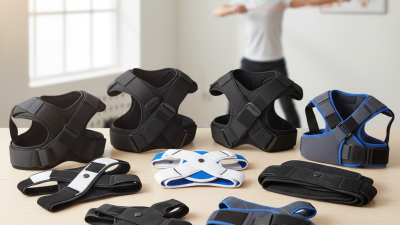
Moreover, not all shoulder braces are created equal. Some emphasize stability, while others focus on mobility. The wrong choice may hinder rehabilitation efforts. Realizing these nuances can enhance your overall health journey. Remember, a well-chosen shoulder brace can facilitate improvement in your daily activities and athletic performance.
Understanding the Functionality of Shoulder Braces in Injury Recovery
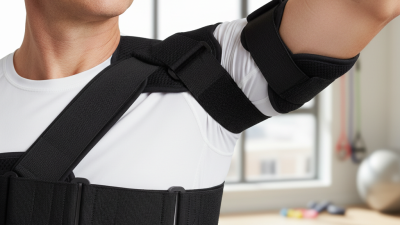
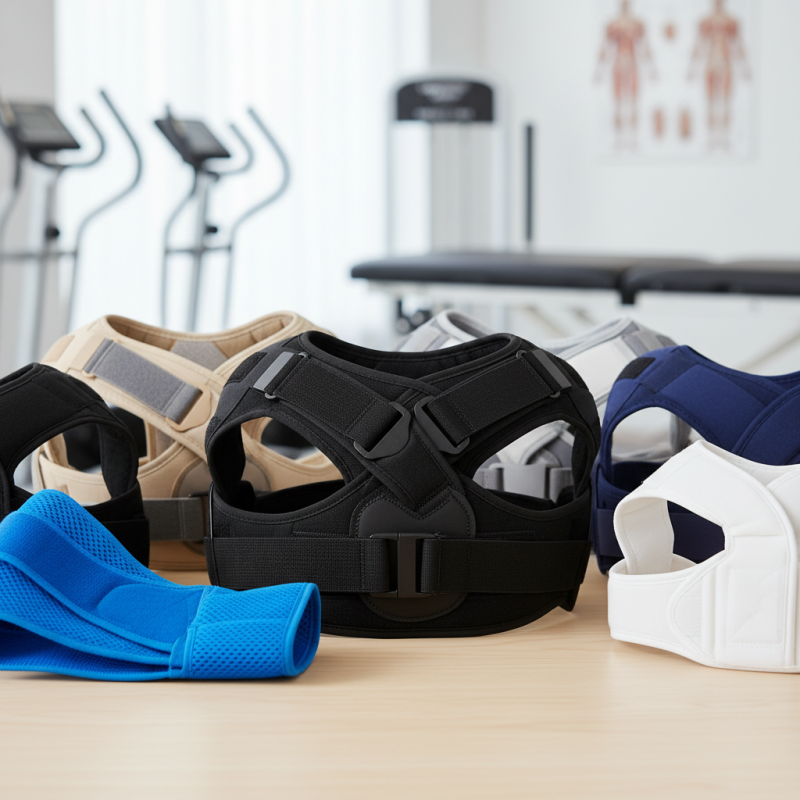
When recovering from a shoulder injury, understanding the functionality of shoulder braces is crucial. These braces provide essential support to stabilize the joint. They limit movement, which allows the injured tissues to heal properly. The right brace can significantly reduce pain and prevent further injury, making it a vital part of rehabilitation.
Many people overlook the importance of a proper fit. A brace that is too tight can cause discomfort, while one that is too loose may not offer the needed protection. It’s important to consult with a healthcare professional to select a brace that aligns with your recovery goals. Reflecting on your specific needs will help in making informed choices.
Injury recovery is not just about physical support. Mental preparedness is also crucial. Wearing a brace might feel limiting at first. Adjusting to this new way of movement can be challenging. A focus on gradual rehabilitation can enhance your journey to recovery. With patience and the right support, improvement becomes achievable.
Evaluating Materials: The Impact on Comfort and Support in Shoulder Braces
When selecting a shoulder brace, material plays a crucial role in comfort and support. Common materials include neoprene, elastic fabrics, and breathable mesh. Neoprene offers warmth and stability, but may not suit everyone. It’s essential to consider personal preferences and any skin sensitivities when making a choice.
Breathable materials are beneficial for prolonged wear. They help manage moisture, reducing irritation. A well-ventilated design can enhance overall comfort. Some might think any brace will suffice, but an ill-fitting or uncomfortable one can lead to more issues. Trying on different options is advisable to find the right fit.
It's important to note that the most expensive option isn't always the best. Each person's needs vary. Reflect on your own activities and how you will use the brace. Recognizing that not every material will support your specific condition is key. Taking time to evaluate options will pay off in terms of comfort and effectiveness.
Sizing and Fit: Importance of Proper Measurements for Optimal Effectiveness
Proper sizing and fit are crucial when selecting a shoulder brace. A study published in the
Journal of Orthopedic Research found that incorrect sizing can reduce the brace's effectiveness by up to
30%. This highlights the need for accurate measurements. A well-fitted brace should provide support
without restricting movement or causing discomfort.
To ensure the right fit, measure the circumference of your shoulder and the width of your chest. Many medical professionals recommend measuring both while
standing and in a relaxed position. This can help you identify any discrepancies that might affect comfort. Additionally, a review by the
National Institute of Health indicates that a properly fitted brace can accelerate recovery times by
25%. Always consult with a healthcare provider for tailored sizing recommendations.
It's important to acknowledge that not all braces work for everyone. Individual anatomy plays a significant role in effectiveness. Personal preferences
also affect comfort levels. Regular assessments of fit are necessary. Adjustments might be needed as recovery progresses. If a brace feels too loose
or tight, that can lead to suboptimal results. Remember, your shoulder's needs may change, and so should your approach to fitting.
Considering Specific Conditions: Tailoring Choice Based on Individual Needs
When choosing shoulder braces, it's crucial to consider specific conditions. Each individual has unique needs based on their injuries, pain levels, or activity requirements. A tailored approach can enhance comfort and effectiveness.
For those recovering from injuries, seek braces that offer adequate support while allowing movement. Some may need rigid support for stability. Others may prefer a more flexible option for rehabilitation. Consult with healthcare professionals to assess your condition accurately. Their expertise can guide you in selecting the right brace.
Always prioritize fit and comfort. A poorly fitted brace can cause more harm than good. Look for adjustable options to ensure the perfect fit. Pay attention to materials as well. Breathable fabrics can make a significant difference, especially during long wear. Remember that every body is different. An effective choice can require some trial and error, so stay patient throughout the process.
Top 5 Tips for Choosing the Best Shoulder Braces