Top 10 Orthopedic Shoes for Ultimate Comfort and Support?
Orthopedic shoes are designed to provide essential support and comfort for those with foot, ankle, or back issues. With nearly 80% of people experiencing foot pain at some point in their lives, the need for proper footwear is critical. According to the American Podiatric Medical Association, many common foot ailments can be alleviated with the right kind of shoes.
Many consumers remain unaware of the benefits of orthopedic shoes. These shoes use advanced materials and design principles to improve posture and reduce discomfort. Studies have shown that wearing orthopedic shoes can result in a significant decrease in foot pain, enhancing daily activities for many individuals. However, the misconception that orthopedic shoes are bulky remains persistent.
For some, finding the right pair can be daunting. Not all orthopedic shoes offer uniform benefits. It's crucial to consider individual foot shapes and needs. Comfort should not come at the cost of style. A balance between aesthetics and functionality is achievable. With increasing awareness and the right guidance, people can choose orthopedic shoes that not only support their health but also fit their lifestyle seamlessly.
Types of Orthopedic Shoes and Their Benefits
Orthopedic shoes come in various types, each designed for specific needs. There are shoes for conditions like plantar fasciitis, arthritis, and diabetic foot problems. These shoes often feature arch support, cushioning, and a wide toe box. They help reduce pain and improve mobility.
Pro tip: Always try shoes on in the afternoon. Your feet naturally swell throughout the day. This ensures a better fit when you need it most. Remember to walk around in the shoes before committing to them. Comfort is key.
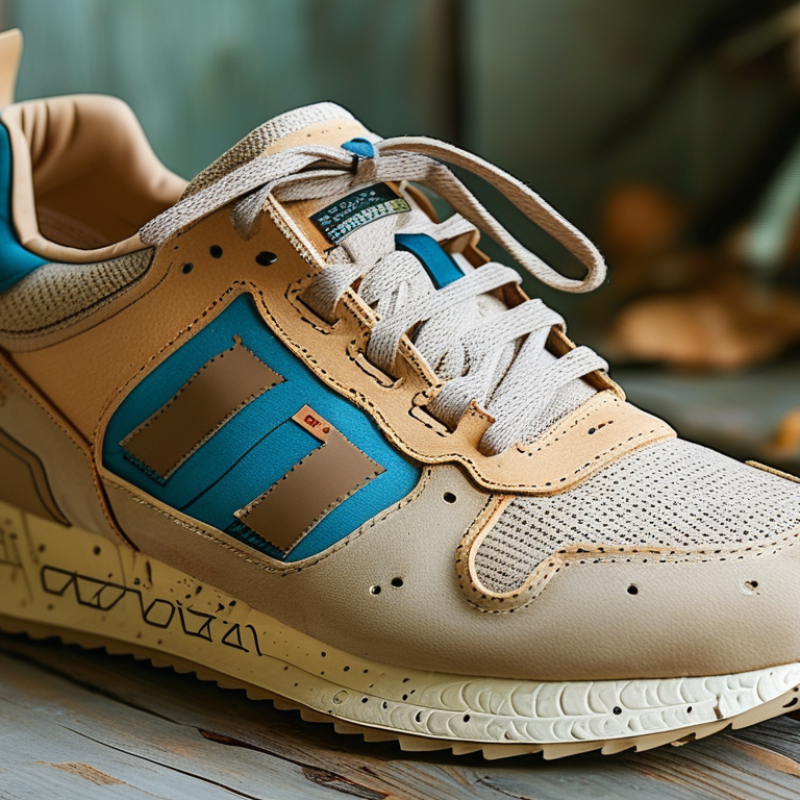
Sneakers with orthopedic support enhance daily activities. They provide stability and reduce the risk of injury. Sandals designed for orthopedic use can also offer similar benefits. Pay attention to materials and construction. Quality shoes can last longer and effectively support your feet.
Don't rush the shoe selection process. It’s crucial to consider your unique foot shape and any existing conditions. Talk to a healthcare professional for personalized advice. Making informed choices can lead to great improvements in comfort and overall foot health.
Key Features to Look for in Orthopedic Footwear
When selecting orthopedic shoes, looking for specific features is essential. Comfort should be your priority. Look for shoes with cushioning and arch support. A good fit is vital, as it helps prevent blisters and calluses. Adjustable straps or laces can offer a custom fit. They allow for a secure feel, reducing the chance of foot discomfort.
Consider the material as well. Breathable fabrics can help keep your feet dry. Moisture-wicking properties are also beneficial for long wear. A sturdy outsole is important for traction and stability, especially if you walk a lot. Lightweight shoes can enhance comfort, reducing fatigue over time.
It's also crucial to evaluate the overall construction. Shoes should have a rigid heel counter for stability. Flexibility in the forefoot is equally important to allow natural movement. Some shoes may lack adequate toe box space, leading to cramping. Pay attention to these details. They can make a significant difference in daily wear and overall foot health.
Top 10 Recommendations for Comfort and Support
Choosing the right orthopedic shoes is essential for maximizing comfort and support. Research from the American Podiatric Medical Association highlights that nearly 80% of Americans experience foot problems at some point. Proper footwear can alleviate these issues. However, many overlook the importance of arch support and cushioning.
When selecting orthopedic footwear, individuals should prioritize shoes that offer ample arch support. Studies show that shoes with good arch support reduce the risk of foot fatigue by 30%. Additionally, cushioning plays a critical role in shock absorption, especially for those on their feet all day. Opting for breathable materials also enhances the overall comfort and keeps feet dry.
It is vital to consider individual foot shape and specific conditions. Many consumers blindly follow trends, which may not address their unique needs. In fact, 50% of people do not know their foot type, leading to poor choices. Evaluating one's foot type can lead to a more satisfying experience with orthopedic shoes. A well-fitted shoe can transform daily activities, but the journey to find the perfect pair often requires patience and reflection.
Top 10 Orthopedic Shoes for Ultimate Comfort and Support
| Model |
Type |
Comfort Rating |
Support Features |
Price Range |
| Model A |
Athletic |
9.5/10 |
Arch support, Cushioning |
$80 - $120 |
| Model B |
Casual |
9.0/10 |
Ergonomic design, Arch support |
$60 - $100 |
| Model C |
Dress |
8.5/10 |
Supportive heel, Soft insole |
$90 - $150 |
| Model D |
Sandals |
9.2/10 |
Adjustable straps, Arch support |
$50 - $80 |
| Model E |
Walking |
9.7/10 |
Cushioned sole, Stability |
$70 - $130 |
| Model F |
Running |
9.3/10 |
Arch support, Breathable |
$75 - $125 |
| Model G |
Clogs |
8.8/10 |
Shock absorption, Comfort fit |
$50 - $90 |
| Model H |
Boots |
9.1/10 |
Ankle support, Padded collar |
$100 - $170 |
| Model I |
Slip-Ons |
9.4/10 |
Easy on/off, Arch support |
$65 - $110 |
| Model J |
Orthotic |
9.6/10 |
Custom insoles, Durability |
$120 - $200 |
User Reviews and Experiences with Each Shoe Model
When choosing orthopedic shoes, user reviews are invaluable. Many individuals report that finding the right fit significantly improves comfort. A study from the American Podiatric Medical Association indicates that 72% of people experience foot pain, which directly impacts their daily activities. Users frequently share their experiences with various shoe models. Reviewing these insights helps potential buyers make informed decisions.
One common theme in user feedback is arch support. A considerable percentage mention that proper support alleviates pain in the arch and heel. The Journal of Foot and Ankle Research highlights the need for shoes with effective cushioning. Many reviews emphasize that shoes with adequate padding prevent blisters and soreness. However, some users express frustration when shoes initially feel great but deteriorate quickly.
Durability often garners mixed reviews. Users report that while some shoes offer extended wear, others fall short after just a few months. This inconsistency raises questions about manufacturing quality. Additionally, several reviewers note the importance of finding a balance between style and function. Comfort should never compromise aesthetics, yet many struggle to find attractive solutions. These varied experiences serve as a reminder that while orthopedic shoes aim to provide relief, personal fit and comfort levels can differ significantly.
Top 10 Orthopedic Shoes for Ultimate Comfort and Support
Tips for Proper Fit and Care of Orthopedic Shoes
Choosing orthopedic shoes is essential for comfort and support. However, proper fit and care are equally important. Here are some helpful tips to ensure you get the most from your shoes.
When trying on shoes, always wear the same type of socks you intend to use. Walk around for a few minutes to feel how they fit. Pay attention to areas that feel snug or loose. Shoes should fit snugly without constricting. You want room for your toes to wiggle. A thumb’s width of space at the end is ideal.
Caring for your orthopedic shoes is vital for longevity. Clean them regularly to avoid dirt buildup. Using a damp cloth works well for surface cleaning. Consider using a protective spray to fend off moisture. Replace insoles regularly to maintain support and cushioning. Store your shoes in a cool, dry place. Avoid leaving them in direct sunlight.
Remember, if your shoes cause discomfort, it’s important to reassess your choice. Sometimes, the perfect fit takes time. Don’t hesitate to consult a podiatrist for advice on fit, especially if you're experiencing persistent pain.