Choosing the right ankle support can feel simple, yet global purchasing decisions often involve many overlooked details. Ankle Braces differ in structure, materials, protection level, and intended use. A lightweight sleeve may suit mild compression during daily walking. A rigid stabilizer may offer stronger control after an injury, but it can feel restrictive. Small differences matter.
This guide introduces ten common types of Ankle Braces for international buyers, retailers, clinics, and sports brands. It considers practical factors such as ankle instability, recovery needs, wearing comfort, breathability, sizing, and product durability. It also discusses design details that buyers can inspect closely, including adjustable straps, hinged joints, padded edges, and non-slip fabrics. These features should support real user needs, not merely improve product appearance.
Evidence and professional guidance remain important. A brace should match the user’s condition and activity, and serious pain or swelling requires assessment by a qualified healthcare professional. Product claims should be checked against reliable technical documents, testing records, and applicable market requirements. Availability, labeling, and sizing systems may vary across countries. That creates purchasing risk.
No single brace works for everyone. Even a well-designed product may cause discomfort if fitted poorly. This guide therefore compares strengths and limitations rather than promising universal results. Some conclusions may need revision as materials, clinical recommendations, and buyer expectations change. Practical experience still matters, especially when testing a brace through a full day of movement. That is where hidden problems appear.
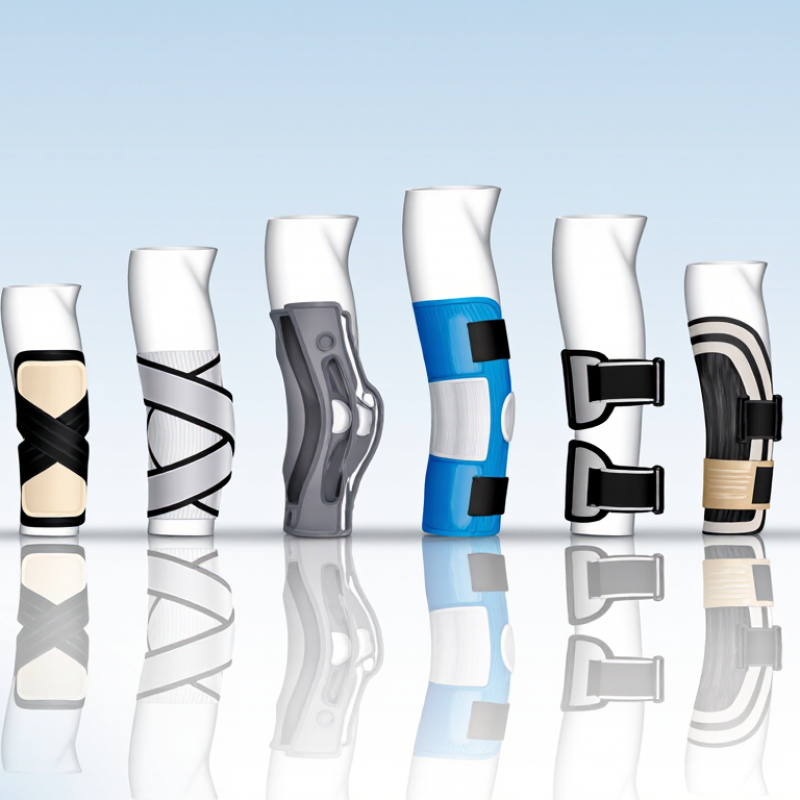
Ankle-brace selection should begin with motion control, not appearance. The World Health Organization reported that 1.71 billion people live with musculoskeletal conditions in 2022. Ankle injuries remain common in sports and daily movement. Clinical surveillance also shows that reported sprain rates vary widely by sport, age, and reporting method.
For mild support, compression sleeves reduce swelling, while elastic wraps provide adjustable compression.
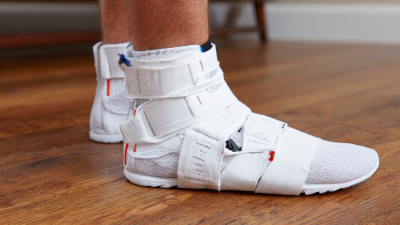
Lace-up braces limit inversion and suit recurrent sprains. Figure-eight braces offer similar control with a familiar athletic fit.
Stirrup braces restrict side-to-side motion through supportive shells. Hinged braces allow forward movement but reduce harmful rotation.
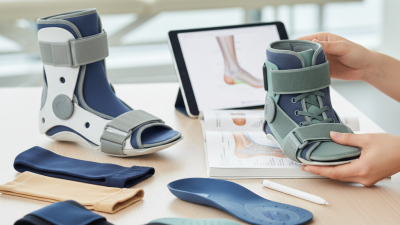
Rigid immobilizers provide stronger protection after significant instability. Walking boots limit ankle movement during short-term recovery.
Night splints hold the ankle near a neutral position. Custom ankle-foot orthoses support neurological weakness or persistent instability.
These ten types are not interchangeable. Indication matters more than product category. A 2021 clinical review in the Journal of Athletic Training linked external ankle support with lower recurrence risk after previous sprains, although outcomes differed by brace design and rehabilitation quality. That evidence is useful, but not perfect. Bracing alone cannot rebuild balance, strength, or confidence.
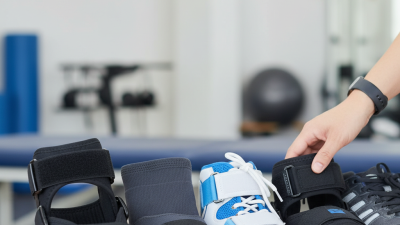
Tips: Match the brace to the required motion. Check skin comfort after ten minutes. Test it inside the intended shoe. Ask a qualified clinician about numbness, severe swelling, or suspected fracture. Buyers should also review sizing data, material durability, cleaning instructions, and regional medical-device requirements. Generic labels can mislead. A “stabilizer” may offer only light compression.
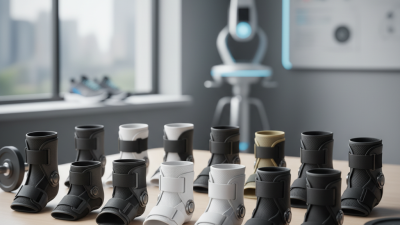
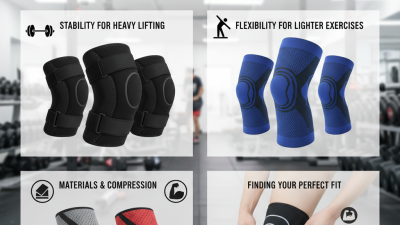
Soft ankle braces are often the first choice for buyers who need light support without rigid shells. In product evaluations, I examine compression sleeves, elastic wraps, and figure-8 supports separately. A compression sleeve fits like a close sock. It may reduce mild swelling and improve body awareness during walking. It does not control a serious injury. Measure the ankle at its narrowest point, then compare measurements with the supplier’s chart. Breathable knit matters in warm regions. Seams should lie flat against the skin. Too tight is a warning sign.
Elastic wraps offer adjustable pressure for changing activity levels. They work well for short training sessions, travel, or returning to ordinary movement. However, loose wrapping can slide, while excessive tension may cause numbness, tingling, or color changes. Figure-8 supports add a structured crossing around the ankle and heel. This pattern may limit unwanted rolling better than a simple sleeve. Fit still depends on foot shape, swelling, and footwear. Check stitching, edge strength, washing instructions, and documented material information before ordering in volume. Ask for sample testing. A useful test includes walking, stair use, and several hours of wear. Small details matter. I have learned that comfort claims are easy to repeat and harder to verify. Buyers should record pressure, slippage, skin response, and user feedback. Some products look supportive but lose shape quickly. That weakness deserves attention.
| No. | Brace Type | Typical Construction | Support Level | Primary Function | Adjustment Method | Breathability | Typical Weight | Common Applications | Key Buyer Considerations |
|---|---|---|---|---|---|---|---|---|---|
| 1 | Compression Sleeve | Stretch knitted fabric, usually nylon, polyester, spandex, or a blend | Light | Provides gentle compression and proprioceptive feedback while helping limit mild swelling | Slip-on; no straps | Good when made with ventilated or moisture-managing knit zones | Approximately 25–70 g per pair | Daily activity, travel, low-impact exercise, and mild ankle fatigue | Check graduated-compression claims, seam comfort, fabric stretch, and accurate circumference sizing |
| 2 | Elastic Wrap | Woven elastic bandage or stretch textile with finished edges | Light to moderate | Offers adjustable compression and basic support around the ankle | Manual wrapping; may use hook-and-loop fastening | Moderate; depends on weave density and wrapping technique | Approximately 30–90 g | Routine support, minor strains, and temporary swelling management | Width, length, fraying resistance, fastening security, and clear wrapping instructions are important |
| 3 | Figure-8 Support | Elastic strap routed around the heel and ankle in a figure-eight pattern | Moderate | Enhances medial and lateral ankle stability and helps reduce excessive inversion or eversion | Adjustable strap tension | Good if the strap system leaves the front of the ankle open | Approximately 45–110 g | Sports, walking, mild instability, and return-to-activity support | Heel opening, strap routing, anti-slip features, and compatibility with footwear should be evaluated |
| 4 | Lace-Up Soft Ankle Brace | Textile body with eyelets, laces, and sometimes elastic side panels | Moderate | Creates a close, customizable fit and improves side-to-side support | Lacing system, sometimes combined with wraparound straps | Moderate to good, depending on mesh panels and lining | Approximately 80–180 g | Court sports, field sports, hiking, and recurrent mild ankle instability | Review eyelet durability, lace length, tongue padding, range of motion, and shoe fit |
| 5 | Open-Heel Compression Support | Elastic sleeve with a heel opening and compression zones around the ankle | Light | Supports the ankle while reducing material under the heel and improving foot contact | Slip-on; some designs include a small adjustment strap | Good because the heel remains uncovered | Approximately 30–80 g | Running, training, indoor sports, and use with close-fitting footwear | Check edge rolling, heel-opening dimensions, compression consistency, and compatibility with socks |
| 6 | Neoprene Ankle Support | Flexible neoprene or laminated foam with a textile outer layer | Light to moderate | Provides warmth, mild compression, and basic joint support | Slip-on or hook-and-loop closure | Limited to moderate because neoprene retains heat | Approximately 70–180 g | Cold environments, general exercise, and users seeking warmth around the joint | Consider material thickness, odor control, skin sensitivity, heat retention, and seam placement |
| 7 | Seamless Knitted Ankle Brace | Three-dimensional circular-knit textile with zoned elasticity and minimal seams | Light | Delivers uniform comfort, mild compression, and proprioceptive support | Slip-on | Good to very good when produced with breathable yarns and open-knit zones | Approximately 25–75 g | All-day wear, office use, travel, and low-impact activity | Assess knit recovery, wash durability, size grading, edge comfort, and colorfastness |
| 8 | Wraparound Elastic Ankle Brace | Stretch body with one or two broad straps that wrap around the ankle | Moderate | Combines compression with adjustable support around the ankle joint | Hook-and-loop straps | Moderate to good, depending on panel coverage | Approximately 60–140 g | Training, recreational sports, mild instability, and post-activity support | Look for easy one-handed adjustment, strap length, secure fastening, and low-profile construction |
| 9 | Ankle Sleeve with Gel or Silicone Inserts | Elastic sleeve with localized gel pads or silicone grip zones | Light to moderate | Adds targeted cushioning and may help keep the sleeve from slipping | Slip-on; retention comes from fabric tension and grip zones | Moderate; insert coverage can reduce ventilation | Approximately 45–120 g per pair | Walking, training, pressure-point cushioning, and everyday support | Verify insert location, skin-contact safety, wash instructions, and resistance to gel or silicone detachment |
| 10 | Figure-8 Compression Sleeve | Knitted sleeve combined with integrated elastic straps crossing around the heel | Moderate | Combines all-around compression with directional support around the ankle | Integrated adjustable or semi-adjustable straps | Moderate to good, depending on strap width and knit ventilation | Approximately 50–130 g | Sports, walking, mild ligament support, and users needing more control than a basic sleeve | Check correct left/right orientation, heel fit, strap tension, bulk inside footwear, and laundering durability |
Typical weights and support classifications are approximate product-development ranges for soft ankle braces; actual values vary by size, material, construction, and adjustment hardware.
Ankle braces vary widely, but stabilizing designs remain central for global buyers. The 2022 WHO Global Status Report on Physical Activity estimates that 31% of adults worldwide are insufficiently active. That figure supports demand for practical injury-prevention and recovery products. However, activity levels do not determine brace choice alone.
Lace-up braces use adjustable tension and often fit mild instability or court sports. They feel familiar, but their straps may loosen during long sessions.
Stirrup braces add semi-rigid side supports around the ankle. They limit side-to-side rolling while preserving some forward movement.
Hinged braces provide controlled motion, making them useful after ligament injuries or rehabilitation. A rigid-shell design offers stronger immobilization, but it can feel bulky inside narrow footwear.
Fit matters more than appearance. A 2023 National Athletic Trainers’ Association review notes that ankle sprains remain among the most common sports injuries, with approximately 25,000 cases reported daily in the United States. Global buyers should therefore check shell hardness, hinge range, breathable lining, closure strength, and size grading.
The 2024 Grand View Research ankle-braces market analysis identifies sports recovery and post-injury support as important demand areas.
Still, market demand is not clinical proof. Some products advertise maximum stability without explaining movement limits. That deserves scrutiny.
Test the brace with real socks and footwear before placing large orders. Packaging should show measurements clearly, because “one size” often fits nobody perfectly.
Recovery Braces: Air-Cast Boot, Walking Boot, and Ankle-Foot Orthosis
Recovery braces support injured ankles during healing, but each design serves a different movement need. An air-cast boot uses adjustable air cells around the ankle. These cells can reduce unwanted motion and improve comfort. A walking boot usually has a firm shell and a shaped sole. It helps protect the foot during limited weight-bearing. However, protection does not mean every user can walk normally.
An ankle-foot orthosis, or AFO, supports the ankle and foot together. It may help people with foot drop, weakness, or poor ankle control. Some models fit inside a shoe, while others require extra room. A clinician should check alignment, skin pressure, walking balance, and the planned wearing schedule. Small pressure marks matter. They can become serious if ignored.
Global buyers should verify sizing instructions, material safety, cleaning methods, and load limits. The brace must match the injury and recovery stage. A larger boot is not automatically safer. I have seen comfort influence compliance more than technical features. That is an uncomfortable reminder for product teams. A brace may look impressive, yet fail if users cannot adjust it. Fit should be reviewed after swelling changes, because yesterday’s comfortable brace may feel tight today. Pain, numbness, color changes, or increased swelling require professional assessment.
Top 10 Types of Ankle Braces for Global Buyers
An often-cited U.S. estimate reports nearly 25,000 ankle sprains daily. That figure shows why brace selection deserves careful attention. Global buyers may compare lace-up, sleeve, stirrup, hinged, wraparound, figure-eight, rigid, inflatable, compression, and pediatric designs. Each type offers different support, comfort, mobility, and user suitability. A lace-up brace may suit moderate stabilization, while a rigid model can restrict movement more strongly. Intended use must guide the purchase.
For European distribution, CE marking under the Medical Device Regulation (MDR) requires more than attractive packaging. Buyers should review the Declaration of Conformity, technical documentation, risk management, clinical evaluation, labeling, instructions, and post-market surveillance procedures. Classification depends on the product’s intended purpose and claims. Not every device requires the same conformity assessment route. Non-EU manufacturers may also need an authorized representative. Check the details.
Tips: Request current compliance documents before sampling. Match every marketing claim with evidence. Inspect stitching, edge comfort, closures, and skin-contact materials. Ask for batch traceability and complaint-handling procedures. A brace can look professional yet fail after repeated stretching. That is easy to miss. I would also question universal sizing claims, because swelling, footwear, and activity levels vary widely. Reliable sourcing combines document review with hands-on testing, clinical input, and realistic user feedback.
Buyer standards are shaped by the widely cited estimate of approximately 25,000 ankle sprains occurring daily in the United States, together with CE/MDR expectations for intended use, risk management, technical documentation, labeling, and post-market surveillance.
The chart uses a transparent functional-support index from 1 to 10, based on structural features such as lateral stabilization, compression, adjustability, and motion control. It is not a market-share ranking or a clinical outcome score. Buyers should verify product-specific classification, intended use, conformity assessment, technical files, labeling, and applicable EU MDR requirements before purchase.