What is a Knee Stabilizer and How Does it Work?
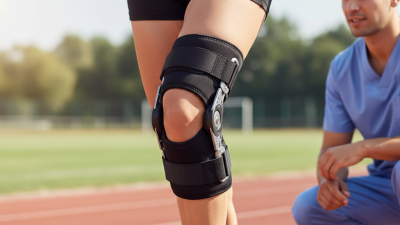
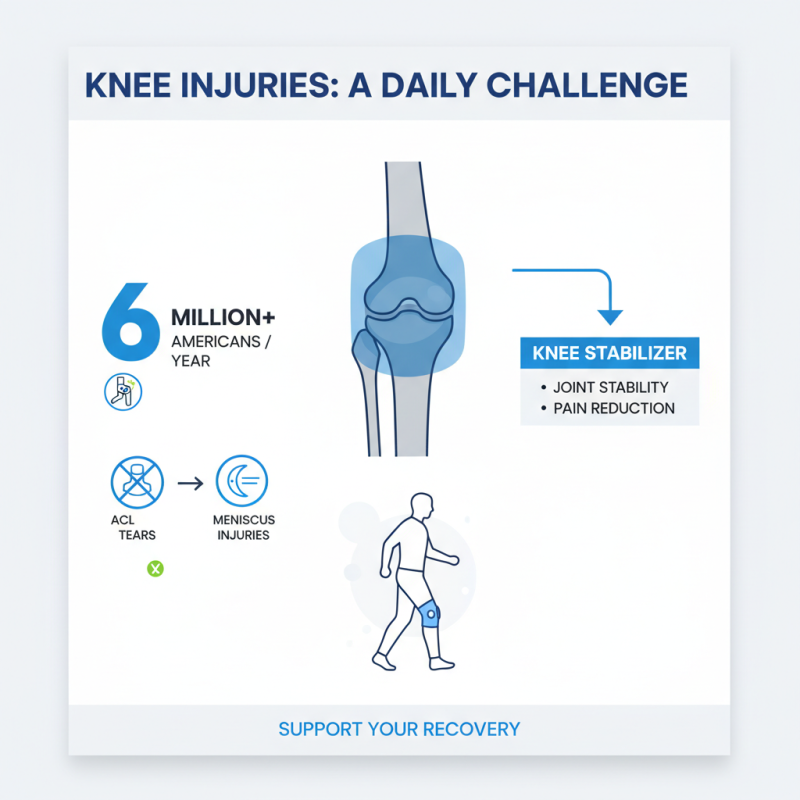
When it comes to knee support, a Knee Stabilizer is a popular choice. This device provides essential stability for those with knee pain or injuries. Many athletes and fitness enthusiasts rely on it during training. A knee stabilizer can reduce the risk of further injury, allowing for more confidence in movement.
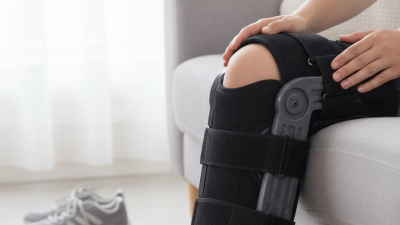
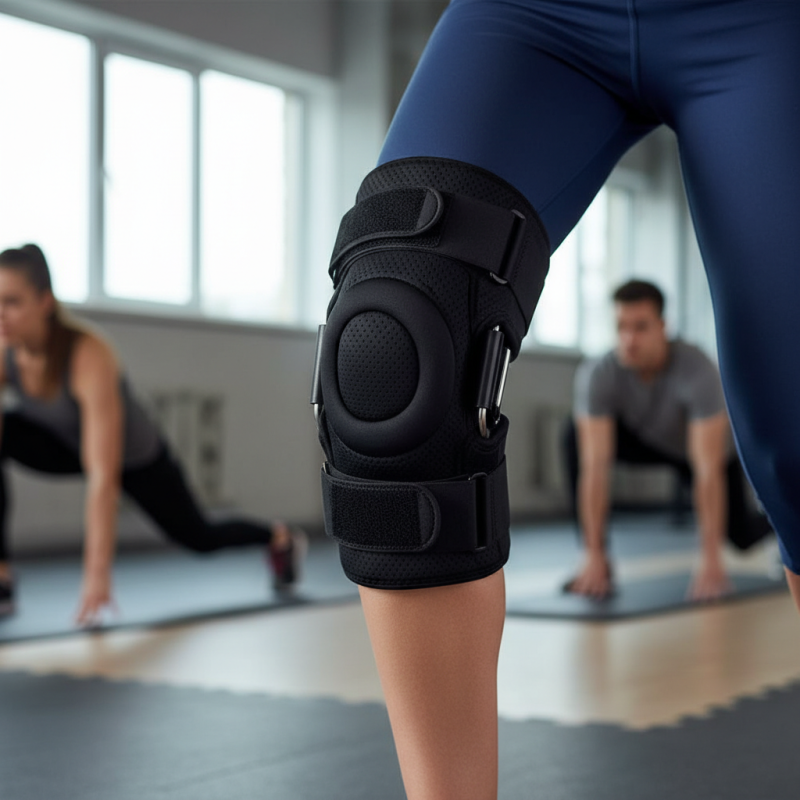
A Knee Stabilizer works by providing compression and support around the knee joint. This support helps to restrict excessive motion, which can lead to further damage. It often features adjustable straps for a customized fit. Users should be mindful of how tightly it is applied; too much pressure can hinder blood flow.
While Knee Stabilizers are helpful, they are not a cure-all. Some users may rely on them too heavily, potentially neglecting necessary rehabilitation exercises. It's essential to listen to your body and adjust the use of the stabilizer as needed. Finding the right balance can sometimes be a challenge, but with reflection and care, the benefits can outweigh the drawbacks.
What is a Knee Stabilizer? Definition and Purpose Explained
A knee stabilizer is a supportive device designed to enhance knee stability. It is commonly used in rehabilitation and sports. These devices aim to limit unwanted movement and prevent injuries. Knee stabilizers are often made from materials like neoprene or elastic for comfort and support.
According to industry reports, around 30% of athletes experience knee injuries. These injuries can significantly impact performance. A knee stabilizer can help in the recovery process. It provides compression, which may reduce swelling. This function can assist in regaining strength after an injury.
Tips: Check the fit of your stabilizer. An improper fit can lead to discomfort. Adjust it as needed to ensure adequate support.
Physical therapists often recommend knee stabilizers for certain activities. Yet, they might not be suitable for everyone. Some individuals may find it restrictive. Consider your activity level and consult a professional before use. Understanding your unique needs is essential. This knowledge helps to determine if a knee stabilizer is the right tool for you.
Knee Stabilizer Effectiveness in Different Activities
Types of Knee Stabilizers: Braces, Sleeves, and Supports Overview
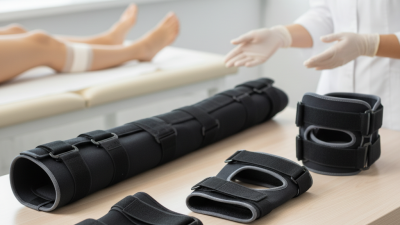
Knee stabilizers come in various types, including braces, sleeves, and supports. Each type serves a specific purpose. Braces typically offer the most support, using rigid materials to stabilize the knee joint. They are often recommended for people recovering from injuries or surgeries. Reports indicate that nearly 30% of athletes experience knee injuries, making these stabilizers essential tools for rehabilitation.
Knee sleeves, on the other hand, are less bulky. They provide compression and warmth, which can enhance blood flow. Research shows that sleeves can reduce pain in over 70% of users with mild ligament injuries. However, they may not be suitable for everyone. Some individuals report discomfort during extended use.
Supports can vary widely in design. Some are adjustable, allowing users to customize the fit. Others may be simple wraps that provide light support. While they can be beneficial, not all supports offer the same level of stability. It’s essential to assess personal needs carefully. Many users discover that what works for one activity may not work for another. This necessity for tailored solutions can often lead to frustration in finding the right option.
What is a Knee Stabilizer and How Does it Work? - Types of Knee Stabilizers: Braces, Sleeves, and Supports Overview
| Type of Knee Stabilizer |
Description |
Indications |
Benefits |
| Knee Brace |
A rigid support for the knee joint that limits movement. |
Post-surgery recovery, ligament injuries. |
Provides stability, reduces pain, aids rehabilitation. |
| Knee Sleeve |
A soft, elastic support that fits snugly around the knee. |
Mild sprains, arthritis, general support during activities. |
Improves circulation, keeps the joint warm, reduces swelling. |
| Knee Support |
Lightweight, adjustable bands providing mild support. |
Light activities, prevention of injuries. |
Enhances comfort, allows freedom of movement. |
| Patellar Stabilizer |
Braces designed specifically for patellar tracking issues. |
Patellar tendinitis, dislocations. |
Improves alignment, decreases pain during movement. |
How Knee Stabilizers Work: Mechanism of Support and Stabilization
Knee stabilizers are designed to provide support. They help reduce pain during movement. These devices can be crucial for those with knee issues. They can assist in rehabilitation after an injury.
Knee stabilizers work by applying gentle pressure around the joint. This pressure aids in stabilizing the knee. They often feature straps and cushioning for comfort. While they support movement, they may also limit mobility. Users might feel a notable difference when wearing them. However, too much reliance might weaken the muscles over time.
For many, wearing a knee stabilizer can be a game-changer. They can feel safer during physical activities. Yet, there’s a risk of becoming dependent on them. Balancing support and natural movement is important. This can be a challenge for athletes and casual users alike.
Choosing the Right Knee Stabilizer: Factors and Recommendations
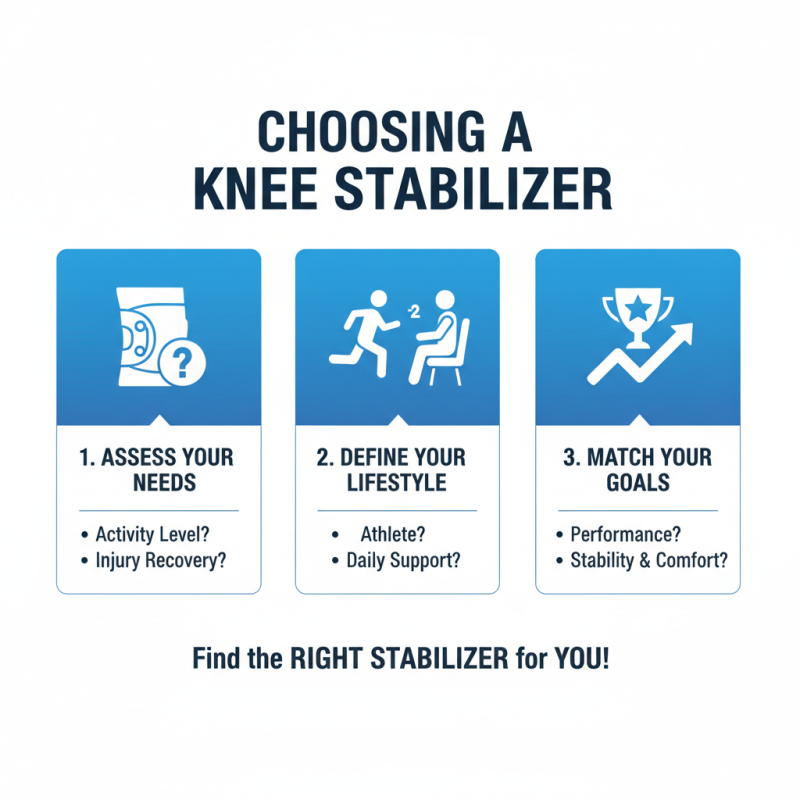
When choosing a knee stabilizer, consider your specific needs. Think about your activity level. Are you an athlete or someone recovering from an injury? The right stabilizer should match your lifestyle and goals.
Size and fit are crucial factors. A knee stabilizer that is too tight can cause discomfort. On the other hand, one that is too loose may not provide adequate support. Always measure your knee circumference before purchasing. Many stabilizers come with adjustable straps, making them easier to fit.
Material plays a role too. Breathable fabrics are ideal for prolonged use. However, some may find them less durable. Reflect on how often you plan to wear it. If you need daily support, durability is a must. Try a few options. Your comfort and mobility are essential for the best outcomes.