Top 10 Benefits of Knee Sleeves for Athletes and Fitness Enthusiasts?
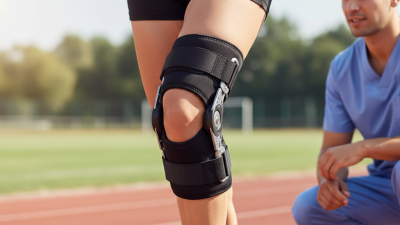
As an athlete or fitness enthusiast, taking care of your knees is essential. The demands of rigorous training can lead to injuries and discomfort. This is where Knee Sleeves come into play. These supportive garments are designed to provide stability and protection during physical activities.
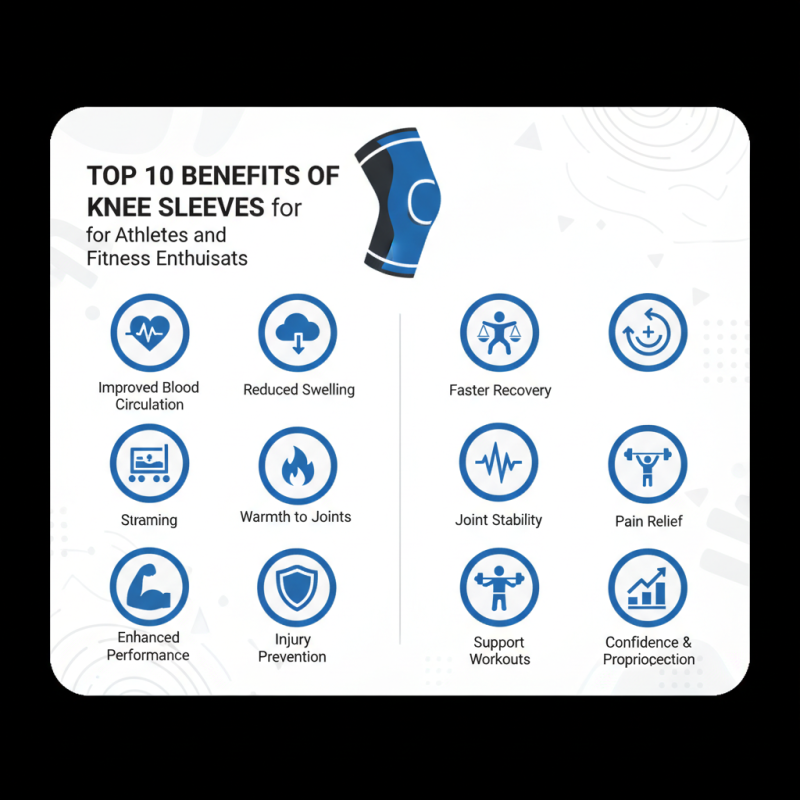
Knee Sleeves offer various benefits that can enhance your performance. They improve blood circulation, reduce swelling, and provide warmth to the joints. This added support can help prevent injuries and aid in recovery. Many athletes find that wearing Knee Sleeves during workouts allows them to push their limits safely.
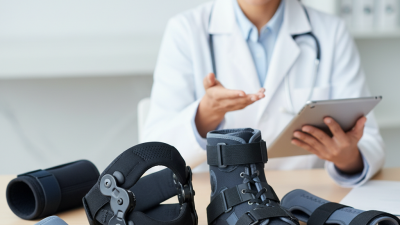
However, it's crucial to choose the right size and fit. An ill-fitting sleeve may hinder performance rather than improve it. Although Knee Sleeves are beneficial, they should complement a well-rounded approach to training. They are not a substitute for proper conditioning and technique. The reality is that even with all the advantages, reliance on them without proper strength training can lead to setbacks. A mindful approach is necessary for long-term success in any sport.
Benefits of Knee Sleeves for Injury Prevention in Sports Activities
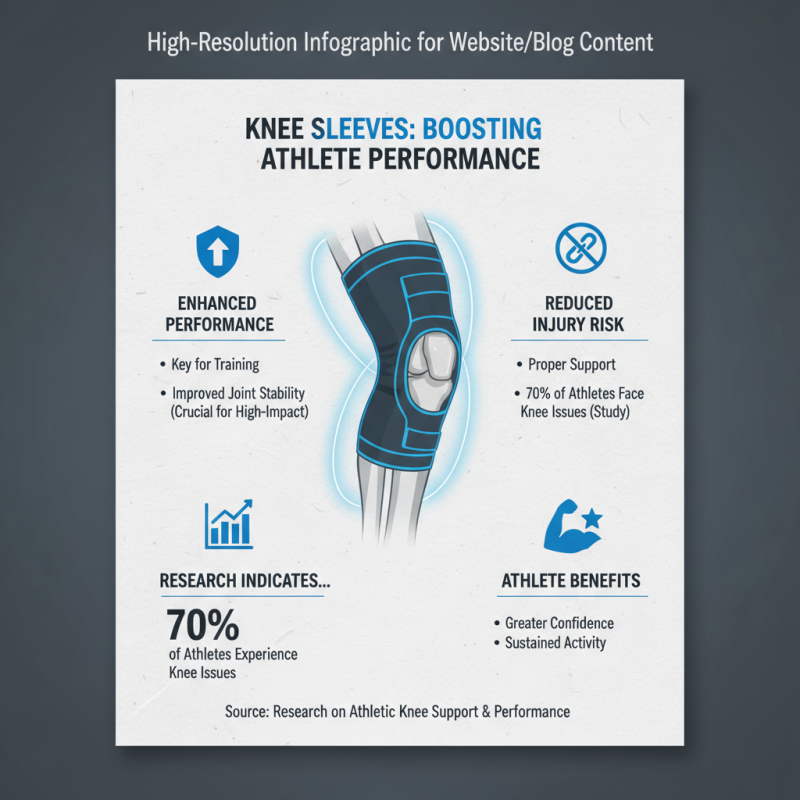
Knee sleeves offer significant benefits for injury prevention in sports. Research suggests that knee injuries represent about 40% of all sports-related injuries. For athletes, this statistic is alarming. Many athletes endure pain, swelling, or instability due to overuse or trauma.
Knee sleeves provide support. They stabilize the joint and can reduce the risk of injury.
A study by the American Journal of Sports Medicine highlighted that athletes using knee sleeves showed a reduced incidence of knee injuries by 30%. This support is crucial during intense activities, such as jumping or sudden lateral movements. Moreover, knee sleeves improve proprioception. This heightened body awareness allows athletes to maintain better control over their movements.
However, some athletes may rely too heavily on these supports. This reliance can lead to neglect of muscle strengthening exercises. Strengthening the surrounding muscles is essential for long-term success. Athletes should combine knee sleeves with a solid fitness plan. This holistic approach helps minimize the risk of injury and enhances performance.
Enhanced Stability and Support for Athletes with Knee Sleeves
Knee sleeves are becoming essential for many athletes. They offer enhanced stability and support, which helps reduce the risk of injuries. Many athletes rely on these sleeves during intense workouts. The snug fit helps keep the knee joint steady, reducing unnecessary movements that can cause strain. This is particularly important for sports such as basketball and running, where even small misalignments can lead to serious injuries.
When wearing knee sleeves, athletes often report increased confidence. The compression provides warmth, which can improve blood flow to the knee area. This is especially beneficial for those recovering from previous injuries. However, it’s worth noting that knee sleeves are not a one-size-fits-all solution. Proper fit is crucial; otherwise, they may become constrictive and lead to discomfort. Many users find themselves needing to adjust their sleeves mid-workout, wondering if they truly provide the support they seek.
In addition, some athletes may become overly reliant on these supports. While they can aid in stability, it’s essential to strengthen the knee through exercises. Relying solely on knee sleeves can hinder progress. Athletes should balance wearing sleeves with consistent training of the muscles around the knee. This approach not only enhances performance but also helps in long-term safety and injury prevention.
Top 10 Benefits of Knee Sleeves for Athletes and Fitness Enthusiasts
Impact of Knee Sleeves on Recovery Times Post-Exercise and Injury
Knee sleeves have gained popularity among athletes and fitness enthusiasts. They offer support during intense workouts. Many believe they enhance performance and aid recovery. The snug fit provides warmth, improving blood circulation around the knees. This warmth can ease stiffness after exercise or injury.
Recovery time is crucial for athletes. With knee sleeves, they may experience reduced swelling and pain. A study suggested that compression can accelerate healing. However, not all individuals will notice the same effect. For some, the sleeves offer comfort but not significant recovery benefits. Listening to the body is essential; what works for one might not work for another.
Injuries can be frustrating setbacks. Using knee sleeves might not guarantee faster recovery. They help manage discomfort, but complete healing requires time. Athletes should engage in proper rehabilitation alongside sleeve use. Time spent resting and strength training is invaluable. Balancing these aspects can lead to safer workouts and quicker recovery.
Temperature Regulation and Compression: Joint Health Benefits of Knee Sleeves
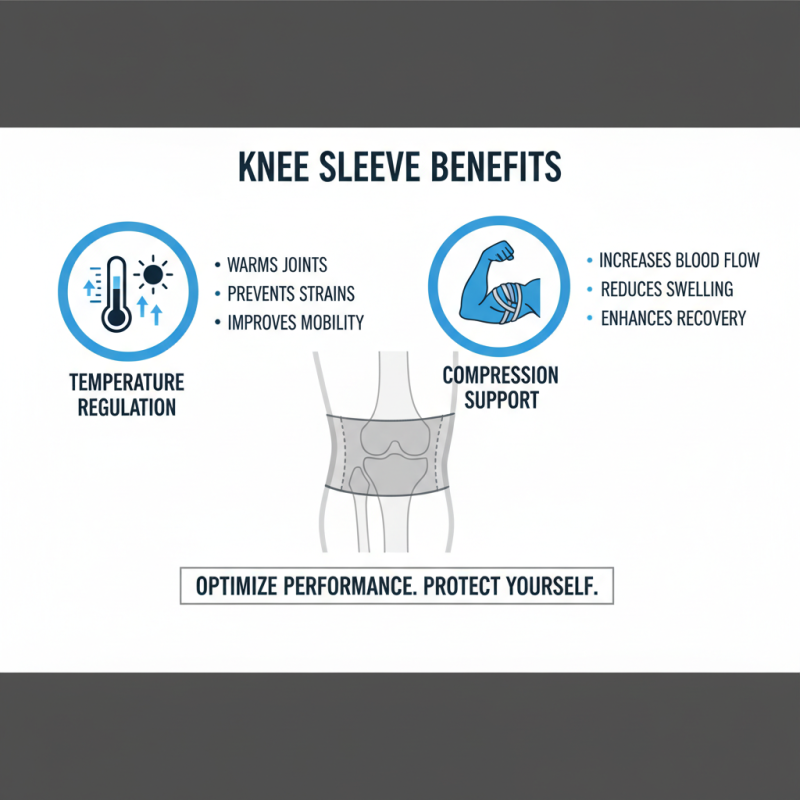
Knee sleeves offer notable benefits, particularly in temperature regulation and compression. Proper temperature control keeps your joints warm and limber during workouts. This warmth helps to prevent strains and injuries. When your joints are warm, they move more efficiently. The fabric of knee sleeves aids in trapping heat, providing consistent warmth.
Compression is another key advantage. It improves blood flow to the knee area, reducing swelling. This can speed up recovery after intense workouts. Many athletes notice a decrease in soreness after exercising with knee sleeves. Effective compression gives you confidence while performing your routine.
Here are some tips for choosing the right knee sleeve. Ensure the fit is snug but not too tight. You don’t want to restrict blood flow. Also, consider the material; breathable fabrics are ideal for long workouts. Monitor your body's response when wearing them. If discomfort increases, it may be time to reevaluate your choice. While knee sleeves can help, they aren’t a cure-all. Listening to your body is crucial.