2026 How to Choose the Best Medical Tape for Your Needs?
Choosing the right medical tape is crucial for effective wound care. Dr. Emily Carter, a leading expert in wound management, emphasizes, "The right medical tape can make all the difference in healing." With countless options available, how do you ensure you select the best one for your needs?
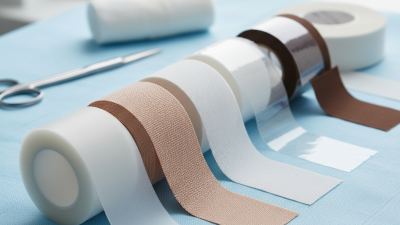
There are various types of medical tape, each designed for specific applications. Some tapes are made for sensitive skin, while others are more rigid for secure adhesion. Consider the environment where you will use the tape. Will it be exposed to moisture or movement? The context often determines the best choice.
Many people overlook vital details, forgetting that a wrong selection can lead to complications or discomfort. Reading labels and understanding the ingredients is essential. Not all medical tapes are created equal, and reflecting on these factors can prevent mistakes in urgent situations.
Understanding Different Types of Medical Tape and Their Uses
When it comes to choosing medical tape, understanding its various types is essential. Different tapes serve different purposes. For instance, cohesive tape sticks to itself but does not adhere to skin. This is useful for securing bandages without causing irritation.
Another type is hypoallergenic tape, designed for sensitive skin. It adheres well but is gentle on the surface. Some tapes are waterproof, ideal for patients who are active or need to shower. However, the challenge is choosing the right one based on your specific needs.
It's not uncommon to pick a tape that looks appealing but doesn't perform well. Many factors come into play, such as skin type and the nature of the wound. Assess your situation honestly. Sometimes, trial and error is part of the process. Each tape has its strengths and weaknesses, and what works for one person may not work for another.
2026 How to Choose the Best Medical Tape for Your Needs?
| Type of Medical Tape |
Material |
Adhesive Properties |
Common Uses |
| Paper Tape |
Non-woven cellulose |
Gentle, hypoallergenic |
Securing bandages, dressing |
| Silicone Tape |
Medical-grade silicone |
Gentle removal, non-traumatic |
Fragile skin, sensitive areas |
| Cloth Tape |
Woven fabric |
Strong adhesion |
Securing splints, large dressings |
| Transparent Film Tape |
Polyethylene film |
Water-resistant, secure |
Secure IV dressings, wounds |
| Kinesiology Tape |
Elastic cotton |
Flexible, comfortable |
Sports injuries, rehabilitation |
Evaluating Adhesive Strength: Finding the Right Balance for Your Needs
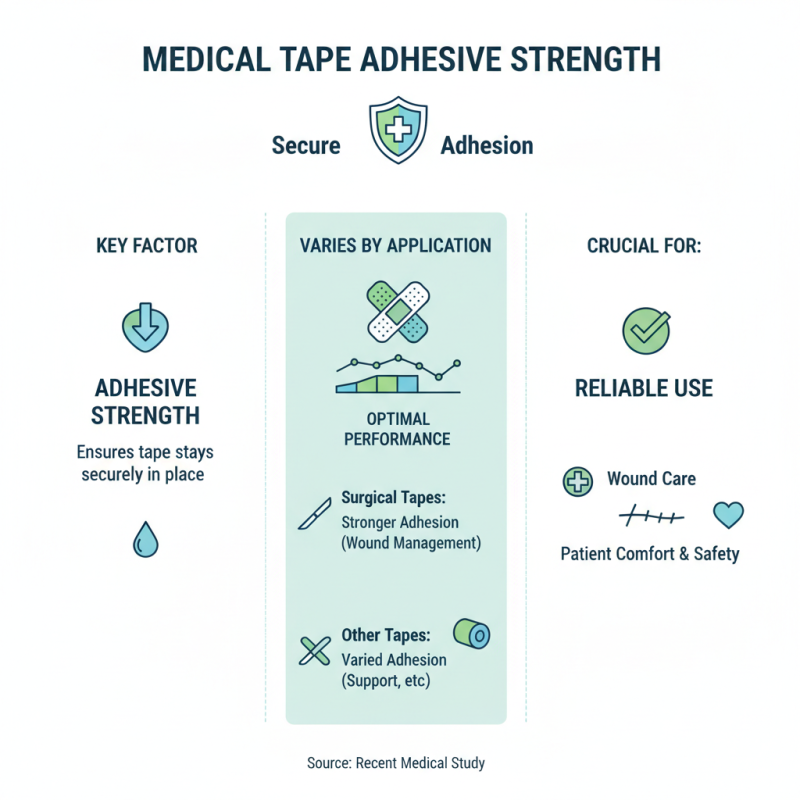
Choosing the right medical tape requires careful evaluation of adhesive strength. This strength is vital for ensuring that the tape stays securely in place during use. According to a recent study, optimal adhesive performance varies significantly based on the type of application. For instance, surgical tapes typically exhibit a stronger adhesion, crucial for wound management.
However, stronger adhesive doesn't always mean better. Some applications require flexibility and gentle removal. A report from the Journal of Adhesive Science highlights that a tape with a medium adhesive strength can reduce skin trauma upon removal. It's essential to assess individual skin sensitivities and the duration the tape will be worn. Tests show that 30% of patients reported skin irritation when using high-adhesive tapes, especially in sensitive areas.
Therefore, balancing adhesive strength with patient comfort is critical. Medical professionals should consider specific use cases. Trial and error may be necessary, as each patient's needs differ. It’s important to reflect on previous choices and their outcomes regularly. Ultimately, the right tape can enhance healing while minimizing discomfort.
Assessing Skin Sensitivity: Choosing Hypoallergenic Options
When choosing medical tape, assessing skin sensitivity is crucial. Many individuals experience reactions to adhesive materials. Choosing hypoallergenic options is essential for those with sensitive skin. These tapes often use safer adhesives that reduce irritation. They are designed to minimize allergic responses.
Consider the specific needs of your skin. Some hypoallergenic tapes may not stick well for long periods. This could be a trade-off for better skin tolerance. Testing a small piece on your skin can help you avoid discomfort later. Keep in mind that even hypoallergenic options may cause reactions for some people. Always be vigilant and monitor your skin's response.
Understanding your skin type is key. If you have eczema or other skin conditions, consult your healthcare provider. They may suggest the best type of tape for you. Remember that your needs may change over time. Regularly assessing your skin's sensitivity will ensure you choose the right tape.
2026 How to Choose the Best Medical Tape for Your Needs?
This chart illustrates the skin sensitivity levels associated with different types of medical tapes, focusing on their hypoallergenic properties. The data reflects the percentage of users reporting discomfort or allergic reactions to each tape type.
Considering Tape Durability for Long-Term Applications
When choosing medical tape, durability is crucial for long-term applications. The right tape must withstand daily wear and tear. It should maintain adhesion and flexibility over time. Some tapes lose grip when exposed to moisture or sweat. This can lead to discomfort and hinder recovery.
Consider factors like material and thickness. Thicker tapes often provide better support for long-term use. However, they may also feel less comfortable. You might find some tapes irritating to the skin. Testing a small area before full application can be wise. You want a balance between strength and comfort.
Also, think about removal. Tapes that are too strong can cause pain when taken off. This is a common issue. Some users report skin damage after removal. Evaluating your specific needs is key. Reflect on how often you will need to change the tape and in what conditions it will be used. Proper research and testing can lead to the right choice for you.
Comparing Cost-Efficiency: Budget-Friendly Medical Tape Options
When selecting medical tape, cost-efficiency is crucial. Many options exist, but not all are effective. Budget-friendly alternatives can often perform well. It’s essential to evaluate what you specifically need from the tape. Different medical situations require different strengths of adhesion and flexibility.
Consider using cloth or paper tape for basic needs. These types are generally less expensive and can suit many situations. However, they might not adhere as strongly as other options. Look at the packaging for information on
strength and duration. An evaluation can help avoid excess spending while ensuring proper care.
Sometimes, cheaper options lead to frustration. A tape that doesn’t stick may cause discomfort. You might find yourself changing it more frequently, leading to a higher overall cost.
Balancing cost and effectiveness requires consideration. Reflect on your unique needs to make the best choice.