Choosing the best Leg Braces in 2026 starts with a clear problem, not a shopping list. A runner recovering from a mild knee strain needs different support from someone managing post-surgical instability. Pain location, swelling, movement limits, and daily activity all matter. A brace should fit the body and the task. It should not cause numb toes, skin rubbing, or new weakness. Small details matter. Measure your thigh and calf carefully. Check the return policy before purchasing. Record when pain appears, such as during stairs or a twelve-minute walk. These notes make a fitting discussion more useful.
This guide compares Leg Braces by support level, hinge design, materials, adjustability, comfort, and clinical purpose. It also considers how users clean, wear, and maintain them. An orthotist, physiotherapist, or qualified clinician can help match a brace to your condition. Product claims still require careful checking. Look for clear sizing charts, tested materials, detailed instructions, and credible manufacturer information. “One brace fits everyone” is rarely reliable. The best choice may be lighter, less rigid, or easier to put on. That can feel disappointing. It may improve consistent use. Smart sensors and newer designs may offer useful feedback. They do not replace professional assessment. No fitting guide is perfect. Even a highly rated brace can fail when the size is wrong. It can also fail when users expect healing from support alone. Good support is helpful. It is not a cure. This review examines practical trade-offs, evidence, and common fitting mistakes with realistic expectations.
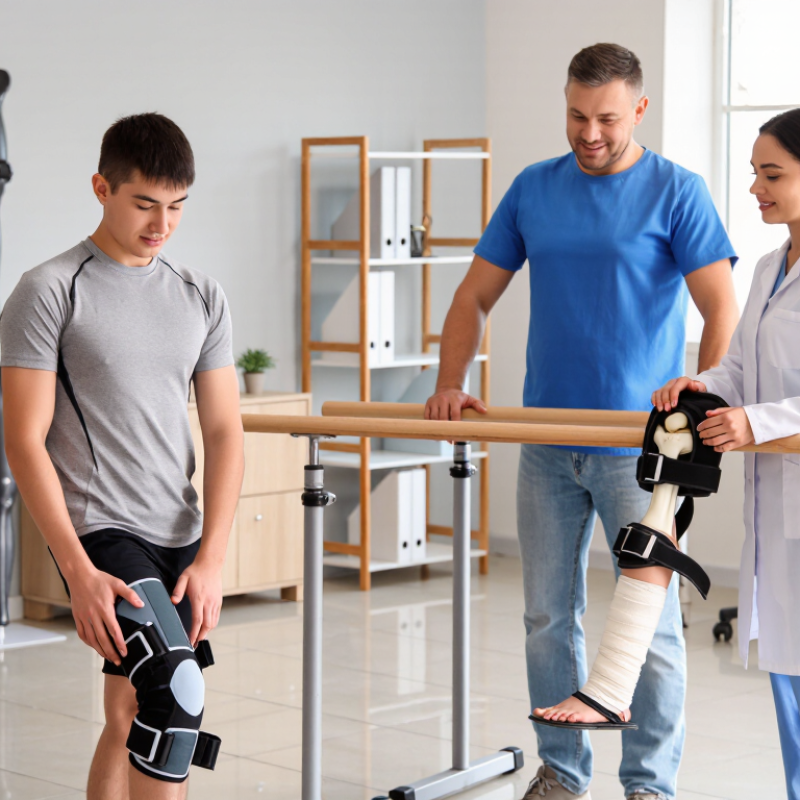
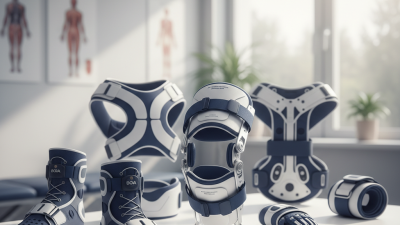
Leg braces are wearable supports designed to guide, protect, or limit movement around the leg. They may support the knee, ankle, thigh, or lower leg. Some use hinges, while others rely on elastic compression and shaped padding. The right brace should feel secure without creating numbness, sharp pressure, or skin discoloration. Comfort matters more than appearance.
A brace can reduce unwanted movement and help distribute force across a painful joint. It may also provide warmth, compression, and confidence during walking or exercise. A hinged brace can support controlled motion after certain injuries, while a softer sleeve may suit mild swelling or everyday stability. Fit is highly personal. Measure the leg carefully, then check the sizing instructions. A trained clinician should guide choices after surgery, serious injury, or ongoing weakness.
I have found that people often tighten braces too much. That mistake can make movement harder. Too loose is also a problem. The brace may slide during stairs or turning. Look for breathable materials, adjustable straps, smooth seams, and easy cleaning. Check the brace after several minutes of walking, not only while standing. Skin marks can reveal pressure points. Stop using it if pain, tingling, or unusual swelling appears. A brace supports the leg, but it cannot correct every underlying problem. Reassessment may be necessary.
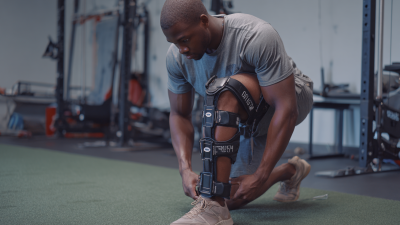
Choosing the best leg brace in 2026 starts with identifying the condition, not the price. A knee brace for arthritis differs greatly from one for ligament instability. The WHO Global Report on Assistive Technology (2022) estimates that 2.5 billion people need assistive products worldwide. Many users still receive the wrong support.
For knee osteoarthritis, an unloader brace may reduce pressure on one side of the joint. A hinged brace suits selected ligament injuries and controlled movement. An immobilizer is intended for short-term protection after certain acute injuries. For foot drop, an ankle-foot orthosis can support toe clearance during walking. Mild swelling may benefit from compression, but severe swelling needs medical assessment. It is not a simple sizing problem.
A brace should match your diagnosis, movement goals, skin condition, and daily routine. The CDC’s 2022 Behavioral Risk Factor Surveillance System reported that 27.7% of U.S. adults had a disability. That figure does not mean everyone needs a brace, but it shows how varied support needs can be. Ask a physiotherapist or orthotist to assess alignment, gait, strength, and circulation. A brace that feels impressively tight may be poorly fitted. Check for numbness, cold skin, redness, or pressure marks after each use. Remove it if symptoms worsen. In practice, people often choose maximum support, yet excessive restriction can weaken normal movement. My view is imperfect: comfort matters, but comfort alone cannot prove a brace is appropriate. Need changes.
Identify the right type of leg brace by matching the main clinical need with the brace’s primary function.
The scores use a 0–5 suitability scale for the listed function: 0 means the function is not a primary purpose, while 5 means it is a central purpose of that brace type. Compression sleeves are commonly used for mild support and swelling management; hinged knee braces help control unwanted knee motion; patellar straps are designed for localized patellar-tendon support; ankle-foot orthoses help control foot and ankle position; and walking boots restrict ankle and foot movement during short-term protection. A qualified healthcare professional should confirm the correct brace, fit, and duration of use.
Choosing the best leg brace in 2026 means comparing function, not appearance. Start with the joint needing support and the activity involved. A brace for mild knee instability differs from one used after surgery. Ask a qualified clinician to confirm the condition and safe movement limits. Stronger support is not automatically better. Too much restriction can change walking mechanics and create discomfort.
Compare support level, hinge design, and adjustability. A stable hinge should move smoothly without side-to-side looseness. Straps should hold the brace firmly without causing numbness, color changes, or deep marks. Check sizing instructions while standing, not only while seated. Materials also matter during long wear. Breathable fabric helps manage sweat, while soft edges reduce rubbing behind the knee. Removable, washable liners can improve hygiene. Small details matter.
Daily use reveals weak points. Put the brace on, walk, climb stairs, and sit for several minutes. It should stay aligned without sliding, folding, or pinching. Test it carefully. I would not trust a brace simply because it feels tight on day one. Swelling and skin irritation may appear later. Inspect the skin after removal, especially around hinges and straps. Stop using it and seek professional advice for pain, weakness, swelling, or persistent numbness. Product instructions and return policies deserve attention too. A practical choice may change after real-world testing. That is not failure.
Choosing a leg brace begins with accurate measurements, not guesswork. Measure the thigh, knee, and calf while standing naturally. Follow the measuring points in the product guide. Different braces use different landmarks.
Your brace should feel secure without squeezing. It should stay in place while walking, climbing stairs, or sitting. Check for slipping, bunching, redness, numbness, or cold skin. These signs suggest poor sizing or excessive pressure. A practical test helps: wear it for ten minutes and move normally. Then inspect your skin.
Support level should match your condition and daily activity. A light sleeve may suit mild compression or occasional stability. A hinged brace can provide stronger control after certain injuries. Rigid designs may restrict movement and require professional guidance. More support is not automatically better. It can alter your walking pattern and create discomfort elsewhere. I once underestimated how quickly swelling changed a fit; evening measurements can differ from morning measurements. That detail is easy to miss.
Ask a qualified clinician when pain persists, swelling increases, or you have circulation problems. They can assess joint stability and recommend an appropriate design. Replace a brace if its straps stretch, hinges become loose, or the padding loses shape. A correct fit should support movement, not force the leg into an unnatural position.
How to Choose the Best Leg Braces in 2026?
A safe leg brace begins with a clear purpose. Stability, pain control, and movement support require different designs. The WHO and UNICEF Global Report on Assistive Technology (2022) states that more than 2.5 billion people need assistive products worldwide. Fit matters greatly. A brace should feel firm, not numb. Check your skin after ten minutes, then again after removal. Red marks that remain, tingling, or swelling require professional advice. Do not simply tighten it.
Use the brace with clean, dry skin and suitable footwear. Walk slowly at first. Test stairs near a handrail. Inspect straps, seams, hinges, and padding before each use. Clean the brace only as directed, then let it air-dry completely. Heat can damage some materials. Never cut, bend, or drill the structure yourself. Small adjustments can create large pressure points. I have learned that comfort can be misleading; a loose brace may feel pleasant while offering poor control.
Keep a short review log. Record wear time, pain, skin changes, and walking confidence. The CDC reports that about one in four U.S. adults has a disability, showing how common mobility support needs are. A clinician should reassess the brace after major weight changes, new pain, falls, or reduced function. Replace worn fasteners promptly. Waiting until failure is not a maintenance plan.
| Leg Brace Type | Typical Purpose | Best For | Key Fit Requirement | Safe Use Guidance | Maintenance and Review |
|---|---|---|---|---|---|
| Knee Sleeve | Light compression, warmth, and proprioceptive support. | Mild discomfort, exercise support, or occasional swelling when no major instability is present. | The sleeve should lie flat without rolling, bunching, numbness, or color change in the foot. | Put it on with the knee in a relaxed position. Stop use if pain, tingling, increasing swelling, or skin irritation develops. | Wash according to care instructions, air-dry fully, and inspect regularly for thinning fabric, stretched elastic, or loss of compression. |
| Patellar Support Brace | Helps guide or support the kneecap during movement. | Some cases of kneecap tracking discomfort or activity-related anterior knee pain. | The support or strap must sit around the kneecap as designed and should not press directly on painful areas. | Begin with short periods during low-impact activity. Do not use it to push through worsening pain or instability. | Check straps, stitching, and the patellar opening or pad before each use. Reassess fit after washing and after changes in swelling. |
| Hinged Knee Brace | Provides side-to-side support and may limit selected knee movements. | Ligament-related instability, protected recovery, or activity requiring additional medial and lateral support. | The hinges should align with the natural knee joint line; straps must hold the brace without restricting circulation. | Use only within the movement limits advised by a qualified clinician, especially after injury or surgery. | Keep hinges free of debris, check hinge covers and screws, and seek professional review if the brace shifts or the hinge becomes stiff or loose. |
| Unloader Knee Brace | Redistributes load away from one side of the knee. | Selected cases of compartment-specific knee osteoarthritis when prescribed or fitted appropriately. | Correct leg side, joint alignment, and unloading direction are essential; professional fitting is strongly recommended. | Increase wearing time gradually. Remove the brace and request advice if pain moves to another joint or walking becomes less stable. | Review alignment, padding, straps, and hinges at regular clinical appointments or whenever symptoms or body size change. |
| Post-Operative Knee Brace | Protects healing tissues and controls the permitted range of motion. | Recovery after selected knee operations or serious injuries under a clinician’s care. | The brace must be adjusted to the prescribed range-of-motion settings and positioned according to clinical instructions. | Do not alter the motion stops, weight-bearing plan, or wearing schedule without professional approval. | Inspect skin and incision areas as instructed. Keep padding clean and contact the care team if swelling, drainage, fever, or calf pain occurs. |
| Ankle-Foot Orthosis | Supports the ankle and foot and may assist foot clearance during walking. | Foot drop, selected neurological conditions, or ankle alignment problems requiring orthotic support. | It must fit inside an appropriate shoe without excessive pressure on the heel, ankle bones, toes, or forefoot. | Use the recommended footwear and follow a gradual wearing schedule. Check the skin after removal, especially during the first days. | Check the shell, footplate, straps, and shoe compatibility. A persistent red mark, blister, or pressure area requires prompt review. |
| Calf or Shin Compression Support | Provides graduated or general compression to support venous return and reduce some types of swelling. | Selected lower-leg swelling or fatigue when circulation has been assessed as suitable for compression. | The garment should be smooth, correctly sized, and free from tight bands at the top or ankle. | Do not begin firm compression for unexplained swelling, cold feet, severe pain, or known circulation problems without medical advice. | Wash regularly, replace when elasticity is lost, and seek urgent care for sudden one-sided swelling, warmth, redness, or chest symptoms. |
| Review Area | What to Check | Safe Standard | When to Stop and Seek Advice |
|---|---|---|---|
| Correct indication | The brace matches the joint, injury, symptom pattern, and intended activity. | Use a clinician-fitted or clinician-approved brace for significant instability, fracture, surgery, neurological weakness, or unexplained swelling. | Symptoms worsen, the diagnosis is uncertain, or the brace is being used to replace medical assessment. |
| Measurements | Measure the locations and times specified in the fitting instructions, using a flexible tape without pulling tightly. | Select the size by the manufacturer’s measurement chart and reassess if swelling or body size changes. | The brace slips, causes pressure points, or cannot be tightened without discomfort. |
| Skin and circulation | Check for redness, blisters, bruising, numbness, unusual coldness, or color change. | Skin should remain intact, and toes or fingers should remain warm with normal color and sensation. | Numbness, blue or pale skin, severe pain, rapidly increasing swelling, or a wound develops. |
| Wear schedule | Record when the brace is worn, for which activity, and how the leg responds. | Start with the duration recommended for the brace and build up gradually when advised. | Pain, swelling, weakness, balance problems, or skin symptoms persist after removal. |
| Cleaning | Follow the care label for washing, drying, and removable components. | Keep fabric and padding clean and completely dry; avoid high heat unless specifically permitted. | The material becomes brittle, smells persistently, irritates the skin, or no longer dries properly. |
| Structural condition | Inspect seams, hinges, fasteners, straps, pads, braces, and plastic or metal components. | All components should remain secure, aligned, and free from cracks, sharp edges, or excessive wear. | A hinge is loose, a strap will not hold, a component is cracked, or the brace changes position during use. |
| Functional outcome | Compare pain, stability, walking quality, confidence, and activity tolerance with and without the brace when appropriate. | The brace should support the intended activity without creating new pain, weakness, or movement problems. | There is no meaningful benefit after an appropriate trial, or function and symptoms deteriorate. |
Safety note: A leg brace should support an appropriate treatment plan, not replace diagnosis or rehabilitation. Seek urgent medical attention for severe or sudden leg swelling, chest pain, shortness of breath, a cold or discolored foot, loss of sensation, or suspected fracture.