What is Fiberglass Cast Tape and How is it Used?
Fiberglass Cast Tape is an innovative medical material widely used in the healthcare sector. It is designed to provide support and stability for broken bones or injuries. This specialized tape is lightweight and durable, making it an ideal choice for patients who need immobilization. Unlike traditional plaster casts, Fiberglass Cast Tape offers advantages in comfort and moisture resistance.
The composition of Fiberglass Cast Tape includes fine fiberglass strands, which enhance its strength. This feature allows for effective immobilization while maintaining a lighter weight. Many healthcare professionals appreciate how quickly and easily it can be applied. However, it requires skill to ensure proper adhesion and fit. A poorly applied tape may lead to complications, highlighting the need for experienced practitioners.
While Fiberglass Cast Tape has revolutionized the casting process, it is not without its challenges. Patient feedback indicates that some may experience skin irritation if not handled correctly. Additionally, the curing process can vary, requiring attention from both the provider and the patient. As the healthcare landscape evolves, ongoing improvements and studies will be key to addressing these issues and maximizing the benefits of Fiberglass Cast Tape.
Definition and Composition of Fiberglass Cast Tape
Fiberglass cast tape is a specialized material widely used in orthopedic applications. Its primary composition includes woven fiberglass strands soaked in a resin. This unique blend allows the tape to harden when exposed to air, providing a rigid support structure for injured limbs. The lightweight nature of fiberglass makes it comfortable for patients, especially in long-term usage.
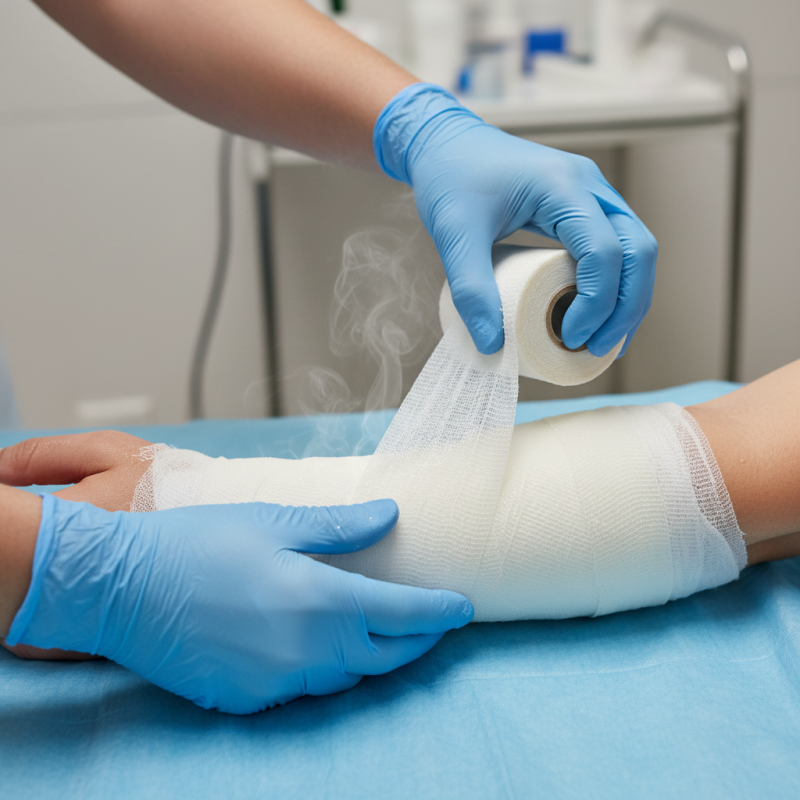
The application process is crucial. Medical professionals apply the tape over cushioning materials to secure fractures effectively. Once molded around the injured area, it sets quickly, often within minutes. Users appreciate its durability and resistance to water, which enhances its usability in various conditions. However, not all users find it easy to tolerate the heat generated during the curing process.
While fiberglass cast tape is effective, challenges remain. Some patients might experience skin irritation or difficulty with limb mobility. Proper technique and patient care are essential to minimize these risks. The evolution of materials and techniques continues to improve this method. Yet, reflection on these experiences reveals opportunities for further refinement and enhancement in patient comfort and care.
Usage Distribution of Fiberglass Cast Tape in Different Applications
Applications of Fiberglass Cast Tape in Medical Settings
Fiberglass cast tape is gaining popularity in medical settings for its lightweight and durable properties. Medical professionals often use it for creating casts to immobilize broken bones. This tape is composed of a fiberglass mesh that combines strength with flexibility. It allows for easier application compared to traditional plaster casts.
In orthopedic settings, fiberglass cast tape is applied in various procedures. It offers a quick-setting solution, allowing doctors to efficiently stabilize fractures. The tape's waterproof nature makes it suitable for patients who require ongoing physical activity during recovery. Additionally, its breathable design helps reduce skin irritation.
Despite its advantages, some challenges remain. The initial application can be tricky without proper training. Doctors need to ensure it conforms well around the injured area. Furthermore, while the tape is generally comfortable, some patients may experience discomfort. Ongoing education for medical staff is vital for success. Balancing efficiency with patient comfort is an area that always invites reflection.
What is Fiberglass Cast Tape and How is it Used? - Applications of Fiberglass Cast Tape in Medical Settings
| Application |
Description |
Advantages |
Material Properties |
| Orthopedic Casting |
Used to immobilize fractures or injuries |
Lightweight, waterproof, and durable |
High tensile strength, rigidity, and moldability |
| Sports Injury Treatment |
Applied to sprains and strains |
Flexible and easy to apply, provides support |
Water-resistant and breathable |
| Post-Surgery Support |
Used for stabilization after orthopedic surgery |
Reduces recovery time and enhances healing |
Lightweight and provides excellent immobilization |
| Custom Orthotics |
Creates custom molds for corrective supports |
High adaptability for patient-specific needs |
Strong and impact-resistant |
Advantages of Using Fiberglass Cast Tape Over Traditional Plaster
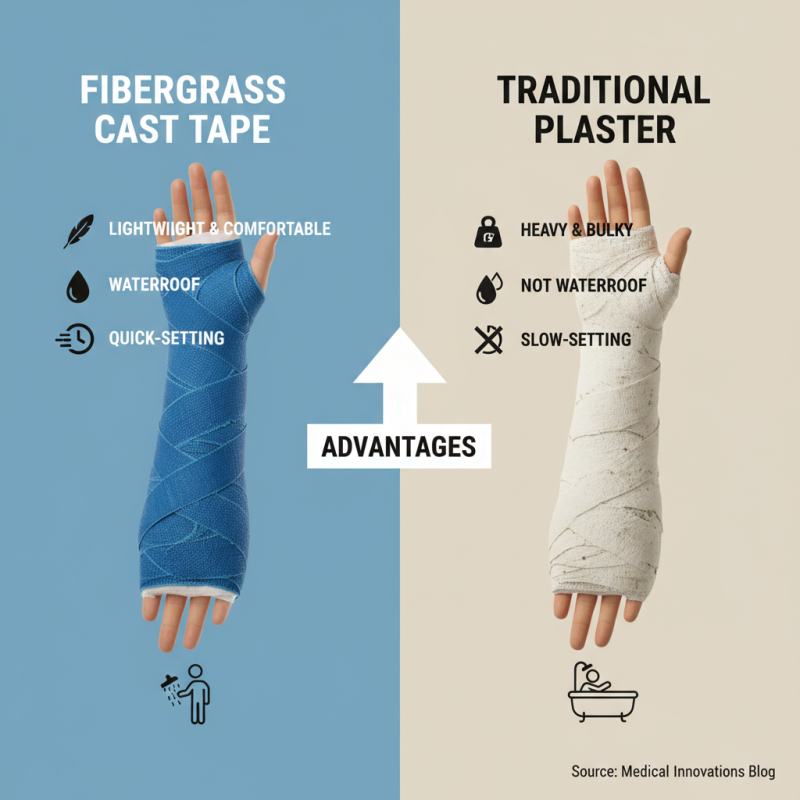
Fiberglass cast tape is gaining popularity in the medical field. Its lightweight nature offers comfort for patients. Unlike traditional plaster, which can be heavy and cumbersome, fiberglass tape is much more manageable. This material is also waterproof, allowing patients to shower without worry. The quick-setting feature of fiberglass makes it ideal for urgent care situations.
One key advantage is its breathability. This allows for better air circulation around the injury. Traditional plaster casts can trap moisture, leading to skin irritation or infections. Fiberglass cast tape reduces this risk. It molds easily to body contours, providing effective support for fractures. Patients often prefer the vibrant colors and designs available, making recovery a bit more enjoyable.
Doctors appreciate the ease of application. Fiberglass casts can be applied quickly and require less time to set. This efficiency can improve overall patient care. However, some may find the initial application uncomfortable. It’s also important to ensure proper hygiene and monitoring during use. While fiberglass is a great advance, ongoing assessment is crucial to ensure a smooth healing process.
Step-by-Step Guide to Applying Fiberglass Cast Tape
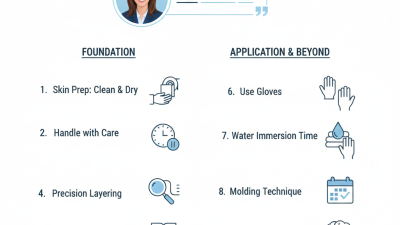
Applying fiberglass cast tape requires precision and care. It starts with proper preparation of the area needing support. Cleaning the skin and the injury site is crucial to avoid infection and ensure adhesion. Using a pair of scissors, the tape should be cut into manageable sections. This helps in applying the tape smoothly without excess bulk.
Next, you'll want to apply the tape in layers. Begin from the distal end of the injury and work towards the proximal end. This ensures even pressure distribution. According to industry reports, improper application can lead to complications like circulation issues. A study found that up to 15% of casts faced complications due to inadequate layering. This statistic highlights the importance of skilled application in achieving optimal support.
It’s also vital to monitor the cast after application. Look for signs of excessive swelling or discomfort. Reports indicate that around 10% of patients experience issues due to incorrect fit or moisture. Adjustments may be necessary if problems arise, emphasizing the importance of revisits for assessment. Overall, attention to detail can greatly reduce risks associated with cast application.
Maintenance and Care for Fiberglass Cast Tape Products
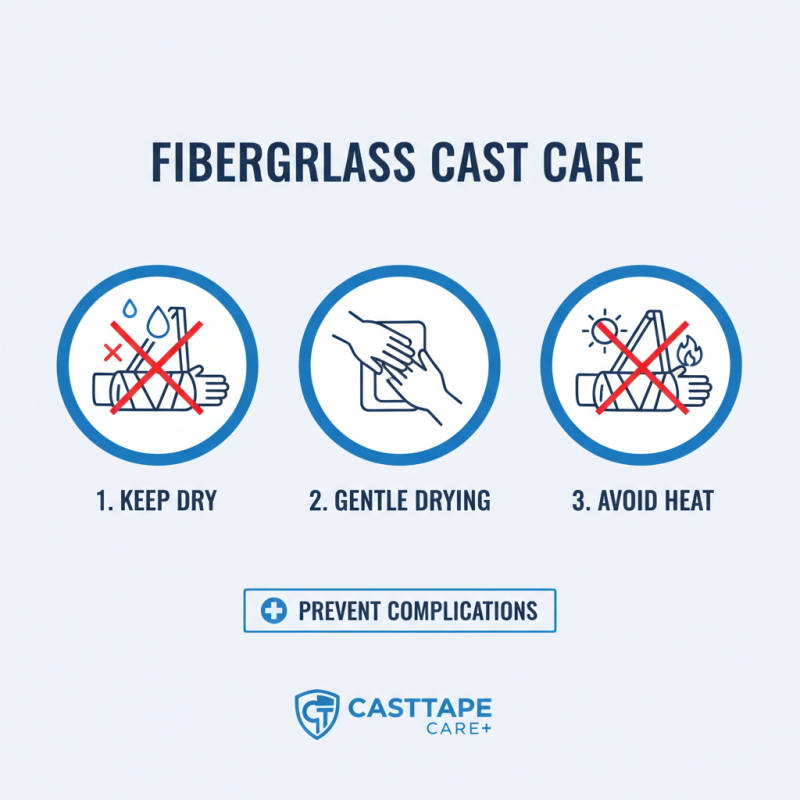
Fiberglass cast tape is a popular choice for immobilizing injured limbs. However, proper maintenance and care are crucial to ensure its effectiveness. One important aspect is keeping the cast dry. Moisture can weaken the material, leading to discomfort and even complications. If the cast does get wet, it’s essential to dry it gently with a towel. Avoid using heat sources, as they can cause damage.
Inspecting the cast regularly is vital. Look for signs of damage or looseness. A loose cast may not provide adequate support, leading to potential risks. If you notice any sharp edges, cover them with soft material to prevent skin irritation. While fiberglass cast tape is durable, it is not indestructible. It is important to recognize when it needs replacement.
Communication with healthcare providers is essential. If pain persists or worsens, reach out for guidance. Be cautious with activities during the healing process. Strenuous movements can compromise the integrity of the cast. Remember, taking proactive steps in care can make a difference in recovery.