How to Choose the Right Hinged Brace for Your Needs?
Choosing the right Hinged Brace can significantly influence recovery outcomes. According to the Journal of Orthopedic Research, over 70% of patients report improved mobility after using a properly fitted brace. The correct brace not only stabilizes joints but also enhances confidence in movement.
Many factors affect the choice of Hinged Brace, such as the type of injury or existing conditions. Research shows that patients with knee injuries benefit from braces with adjustable hinges, providing tailored support. Yet, it's crucial to consult with a healthcare provider to avoid common pitfalls, such as over-reliance on the device.
Selecting a Hinged Brace may feel overwhelming due to the variety available. Each designed for specific injuries or support levels can create confusion. Reflecting on your needs and getting professional advice can lead to a better choice. Prioritize comfort and functionality to support a successful recovery journey.
Understanding Hinged Braces: Types and Functions
Hinged braces are critical in injury rehabilitation. They offer varied support levels depending on the injury type. Understanding their types and functions aids in making the right choice.
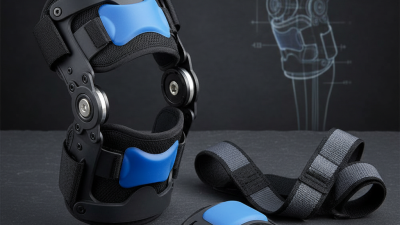
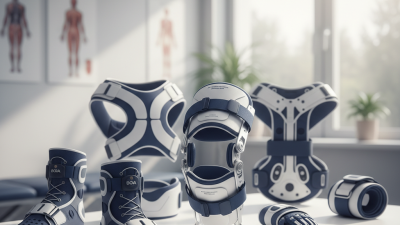
There are several types of hinged braces, such as knee, ankle, and elbow braces. Each type targets specific injuries. For instance, a study by the American Journal of Sports Medicine highlights that knee braces can reduce the risk of re-injury. This is significant for athletes recovering from ligament tears. Additionally, ankle braces provide stability post-sprain, reducing the chance of further damage. These stats stress the importance of selecting the right brace.
Different braces have unique functionalities. Some are designed for mobility, allowing movement during recovery. Others are rigid, offering maximum protection. Not all braces fit every situation. For instance, a flexible brace might not provide enough support for a severe ligament injury. A detailed evaluation of your needs is crucial. Always consult a medical professional or a physical therapist for tailored advice. Understanding these details leads to better outcomes in rehabilitation journeys.
Assessing Your Needs: Factors to Consider for Selection
Choosing the right hinged brace can significantly impact your recovery. When assessing your needs, consider key factors like comfort, flexibility, and support level. Ensure the brace fits well; a proper fit can prevent additional injuries. Fabric materials should be breathable yet supportive.
Tip: Test the brace while moving. A good hinged brace should allow natural movement without excess restriction. This ensures both comfort and functionality.
Your activity level is crucial. Are you mostly sedentary, or do you engage in sports? A more flexible brace suits lighter activities, while a sturdier option is advisable for frequent use. Assess the intensity of your daily tasks to make the best choice.
Tip: Consult a professional. A therapist can offer insights tailored to your needs. Their guidance helps in identifying the right balance between support and mobility.
Material Matters: Choosing the Right Material for Durability
When selecting a hinged brace, the
material is crucial. The right material can impact how well the brace performs and how long it lasts.
Common materials include metal, plastic, and composite options.
Each material has unique properties that may suit different needs.
For instance, metal braces typically offer exceptional strength. They can endure significant stress but might be
heavier. Plastic braces, on the other hand, are lightweight and often more comfortable. However, they may not provide
the same level of support under heavy tension. It’s important to consider the activities you'll engage in. If you expect heavy use or require a high level of protection,
metal may be more suitable.
Composite materials combine the benefits of both metal and plastic. They can be durable yet lightweight,
but not all composites are equal. Some may not withstand moisture or rough handling. Testing the material in real-life scenarios can reveal its potential weaknesses.
Review user experiences to identify products that have stood the test of time and practice. Ultimately, choosing the right material requires thoughtful consideration of your specific needs.
Sizing Up: How to Measure for the Perfect Fit
Choosing the right hinged brace involves careful measurement. A proper fit is essential for effective support and comfort. Research indicates that nearly 80% of wearers experience improved mobility with correctly sized braces. Therefore, taking accurate measurements should be the first step.
To measure for a hinged brace, start by determining the circumference of the joint. For knee braces, measure just above and below the kneecap. Use a flexible tape measure, ensuring it's snug but not too tight. According to a study published in "The Journal of Orthopedic Research," improper sizing can lead to ineffective support and increased pain. Many users report discomfort due to oversized or undersized braces.
Additionally, consider the length of the brace. For knee braces, the height may vary based on individual anatomy. A brace that is too long can restrict movement, while one that is too short may fail to provide adequate support. Aim for a fit that allows for a full range of motion without slipping off. Remember, each person's body is unique, and adjustments may be necessary. Don't hesitate to reassess your fit after initial use.
Choosing the Right Hinged Brace: Size and Fit Analysis
Consulting with Professionals: When to Seek Expert Advice
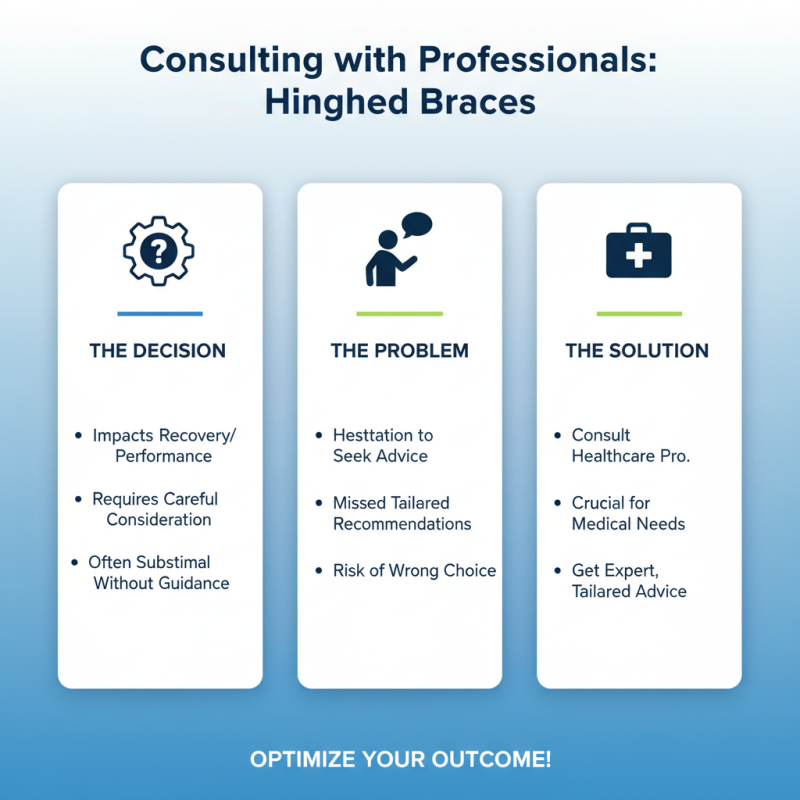
Choosing the right hinged brace can significantly impact your recovery or performance. This decision often involves careful consideration. However, many individuals hesitate to seek professional advice, which can lead to suboptimal choices. Consulting with a healthcare professional is crucial, especially if you have specific medical needs. A qualified expert can provide tailored recommendations based on your unique situation.
Understanding your condition is vital. A professional evaluation will reveal the level of support you need. This can determine if a basic or advanced hinged brace is more suitable. Relying solely on online information or personal research may not address your specific requirements. Some may feel confident making their own decisions, yet this often leads to mistakes that could hinder recovery.
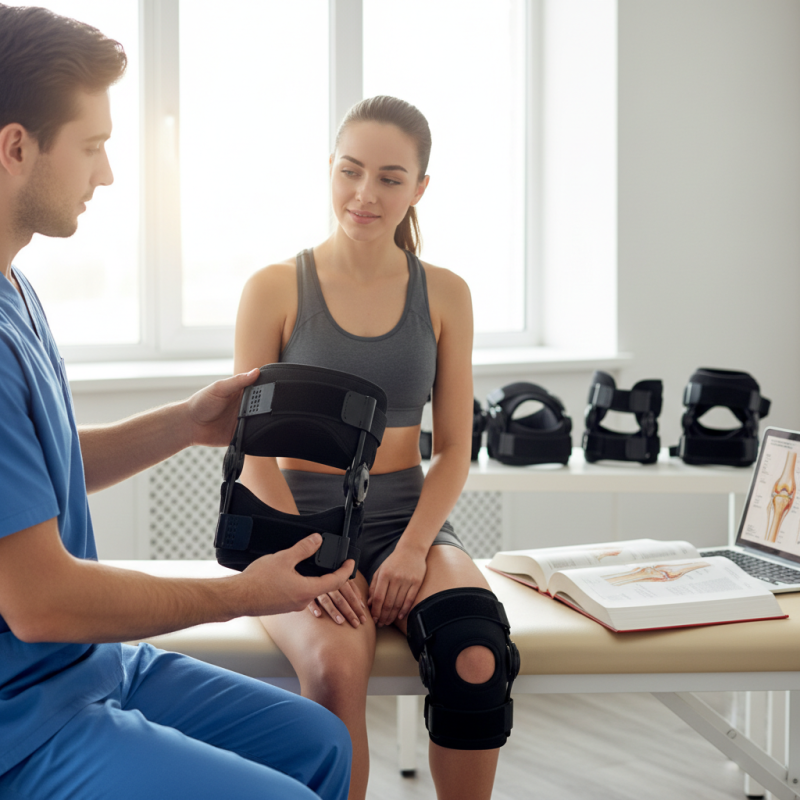
Listening to experts is essential. They possess the knowledge drawn from experience. An orthopedic specialist or a physical therapist can help you navigate options. They can analyze your activity level and the injury type. Their insight ensures you invest in a brace that genuinely meets your needs. Embracing professional guidance may seem inconvenient, but it often leads to better outcomes in the long run.