How to Choose the Right Orthopedic Braces for Your Needs?
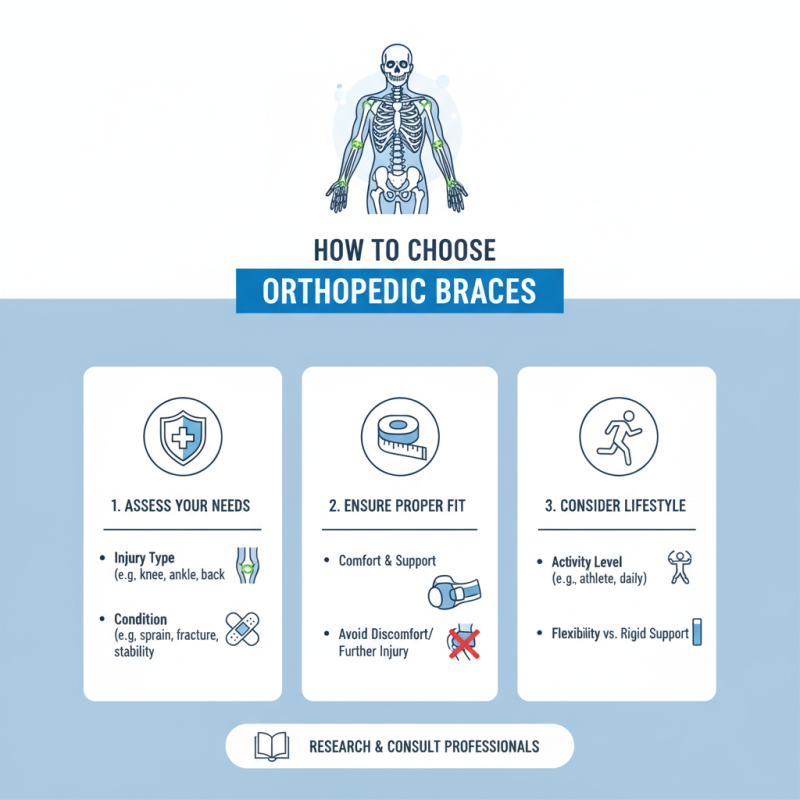
Choosing the right orthopedic braces can be challenging. With so many options available, it is easy to feel overwhelmed. Orthopedic braces are crucial for injury recovery and pain management. Selecting the perfect one should be based on specific needs and conditions.
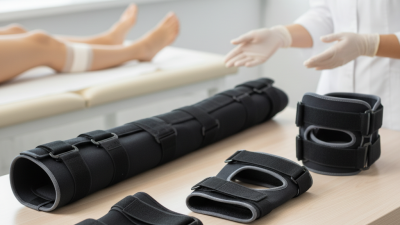
Consider the type of injury or condition you have. Each orthopedic brace offers unique support and stabilization. You need to know whether you require a knee brace, ankle support, or back brace. Fit matters significantly too. A poorly fitting brace can cause discomfort or exacerbate problems.
Reflect on your daily activities. Your lifestyle impacts your brace choice. Athletes may need something flexible, while others might require more rigid support. The decision isn’t simple, and it demands careful thought. Explore your options and understand what works best for you.
Understanding Different Types of Orthopedic Braces and Their Uses
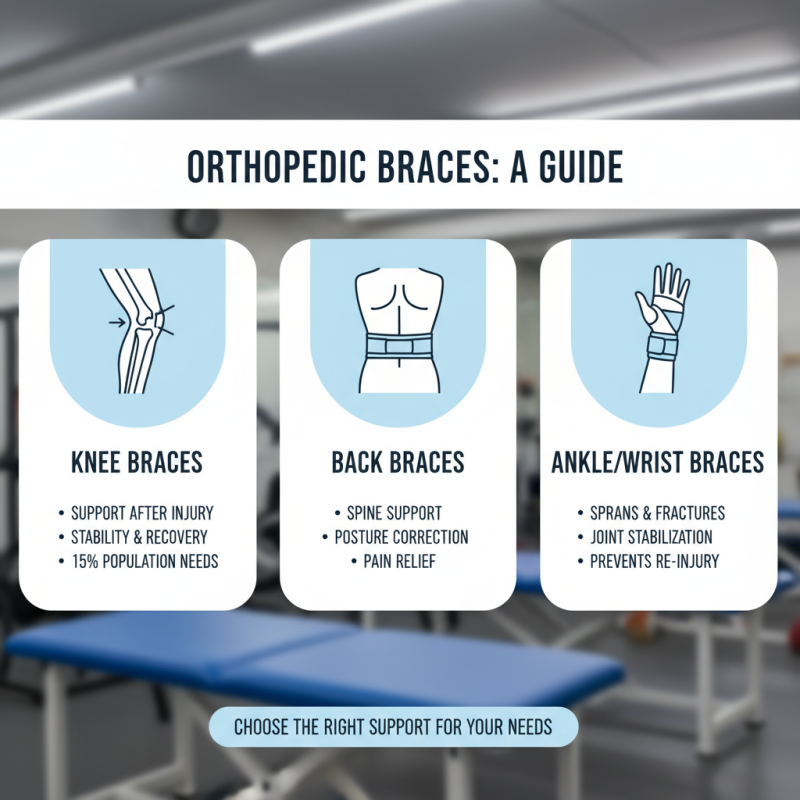
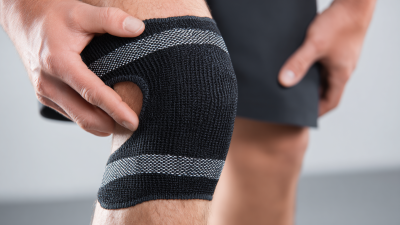
Orthopedic braces come in various types, each serving specific needs. Understanding their unique purposes can help individuals choose the right one. For instance, knee braces are often used for support after injuries. Statistics show that around 15% of people experience knee problems at some point. An appropriate brace can aid in recovery and provide stability.
Wrist braces are essential for conditions like carpal tunnel syndrome. Research indicates that nearly 3% of adults are affected by this condition in their lifetime. Wearing a brace can alleviate discomfort and prevent further injury. Many neglect to seek advice on the right type of brace, which can lead to ineffective treatment.
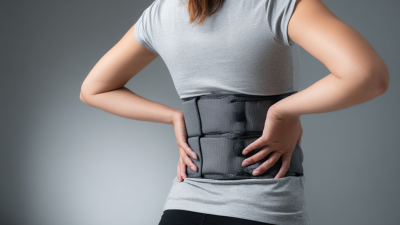
Back braces are often employed for postural support. Studies reveal that 80% of adults may experience back pain. While braces can offer relief, relying solely on them without physical therapy might result in weakened muscles. It's crucial to find a balance between brace support and active rehabilitation. The effectiveness of any brace is contingent on proper use and individual needs.
Factors to Consider When Selecting an Orthopedic Brace
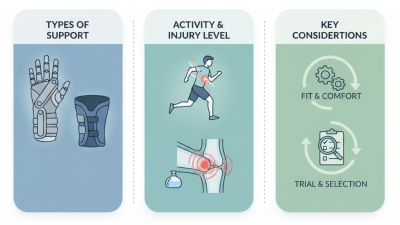
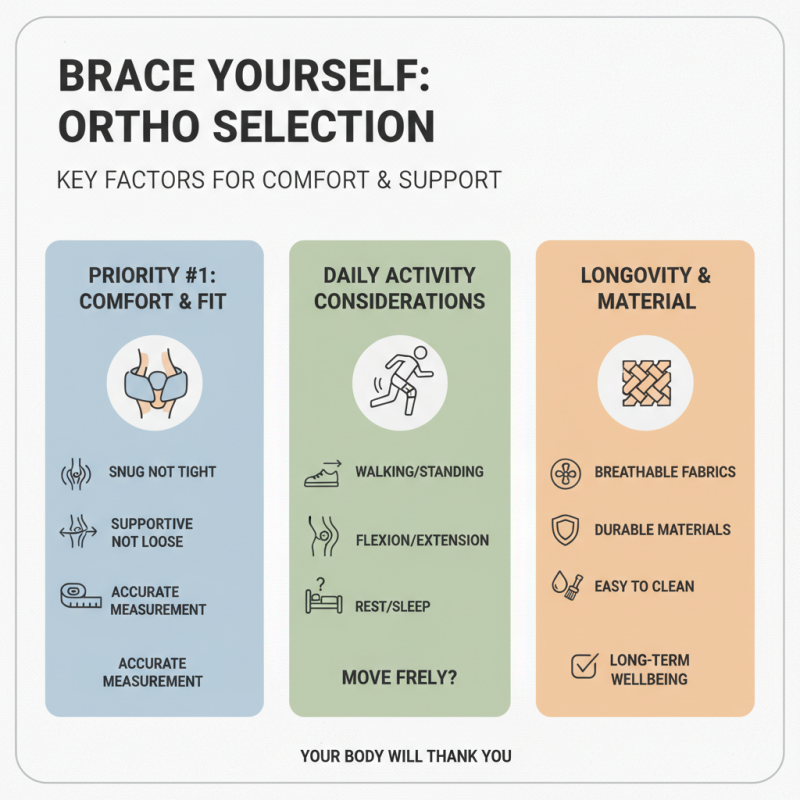
Choosing the right orthopedic brace can be challenging. There are numerous factors to consider. Comfort and fit should be your top priority. A brace that is too tight can cause discomfort, while one that is too loose may not provide adequate support. Measuring your dimensions accurately is essential. Consider how the brace will feel during daily activities.
Next, the specific injury or condition you are addressing is critical. Different braces serve various purposes. For example, a knee brace is quite different from an ankle brace. It's crucial to understand your needs before making a decision. Consult a medical professional if unsure. They can guide you, but not everyone communicates effectively. It’s important to ask questions to clarify your understanding.
Lastly, think about the material of the brace. Some materials offer breathability, while others provide more support. Your skin type may react to certain materials too. Don't rush the process. Sometimes, you may feel overwhelmed by options. Reflect on how the brace impacts your mobility and daily routine. Each choice carries pros and cons. Take your time to find the best solution for your situation.
How to Assess Your Specific Needs for Orthopedic Support
When selecting orthopedic braces, assessing your specific needs is crucial. Start by identifying the area requiring support. Are you dealing with a knee injury? Or perhaps a wrist problem? Understanding your condition is the first step. According to a report from the National Institutes of Health, injuries account for nearly 25% of lost workdays in the U.S. Proper alignment and support can significantly reduce pain and improve function.
Next, consider the level of support you require. Data shows that patients with chronic joint issues often need braces that provide more stability. However, it’s essential to remember that more support isn’t always better. Some individuals experience discomfort from overly rigid braces. Striking a balance is key. A study from the Journal of Orthopedic Research found that 40% of patients reported issues with brace comfort.
Comfort should also factor into your decision. Try different styles and adjust them before making a choice. Regardless of the type of injury, don’t ignore how a brace feels. A fitting brace enhances movement instead of hindering it. Reflect on how your body responds to each option. Finding the right brace is not a one-size-fits-all approach; it requires time and self-assessment.
Tips for Fitting and Adjusting Your Orthopedic Brace Properly
Fitting an orthopedic brace correctly is crucial for its effectiveness. A study by the Journal of Orthopedic Research notes that improper fitting can lead to discomfort and decreased mobility. To achieve a proper fit, start by measuring the affected area accurately. Use a soft measuring tape to ensure precision. Many people overlook this step, resulting in braces that are too tight or too loose.
Once you have selected a brace, try it on while standing or walking. Walk around for a few minutes to assess comfort and support. Adjust the straps or supports as needed. Research indicates that about 30% of users fail to adjust their braces correctly, which can limit their benefits. Check for any pressure points or excessive tightness. These areas can lead to skin irritation or reduced circulation over time.
Remember, finding the right adjustments may take time. Be patient with yourself as you learn what works best. Regularly re-evaluate the fit, especially if your body weight or activity level changes. Continuous monitoring ensures that the brace functions effectively throughout your recovery. Aim for a balance between support and comfort, recognizing that some trial and error is part of the process.
When to Consult a Healthcare Professional for Orthopedic Braces
When considering orthopedic braces, knowing when to consult a healthcare professional is essential. Many studies show that nearly 20% of individuals using braces do so without professional guidance. This can lead to improper use and ineffective results. A health expert can provide tailored recommendations based on specific conditions like arthritis or sports injuries.
Consulting a professional is particularly crucial if you're experiencing persistent pain or significant swelling. According to industry data, over 40% of patients with knee pain see improved outcomes when advised by a specialist. Healthcare professionals conduct thorough evaluations, ensuring that the braces fit correctly and address individual needs effectively. They can help avoid potential issues, such as skin irritation or muscle weakness, which may arise from incorrect brace usage.
Ignoring professional advice could lead to prolonged recovery times. For instance, a study revealed that individuals who bypassed professional consultations often reported 30% less improvement in mobility. Balancing independence in brace selection with informed decisions from experts can greatly enhance your recovery journey. Understanding these factors is vital for effective treatment.