Choosing the right neck support can feel surprisingly difficult. Shelves offer soft collars, rigid braces, posture devices, and adjustable designs. Each promises comfort, stability, or relief. Yet a brace that helps one person may irritate another.
This guide examines 10 Best Neck Braces for Comfort and Support through practical, evidence-informed criteria. We consider fit, padding, breathability, adjustability, movement control, and everyday usability. We also look at how each design may suit travel, desk work, sleep, or short-term recovery. A reliable neck brace should feel supportive without creating painful pressure around the jaw, throat, or shoulders. Small details matter. Stitching can rub. Velcro can catch hair. Foam can become warm after an hour.
No brace is perfect.
Comfort remains personal. Product descriptions may sound convincing, but real-world performance depends on neck size, symptoms, posture, and intended use. For that reason, this overview does not treat rankings as medical diagnoses or universal instructions. It focuses on clear comparisons and realistic expectations. Readers with trauma, severe pain, numbness, weakness, breathing difficulty, or recent surgery should seek qualified medical advice before choosing support. A clinician can determine whether immobilization is appropriate and how long it should last.
The best Neck Braces balance support with safe, practical wear. They should not encourage prolonged self-treatment without professional guidance. We also acknowledge an important limitation: materials and comfort can change between users and over time. Use this guide as a starting point, then check sizing instructions and listen carefully to your body. Some discomfort deserves attention, not endurance.
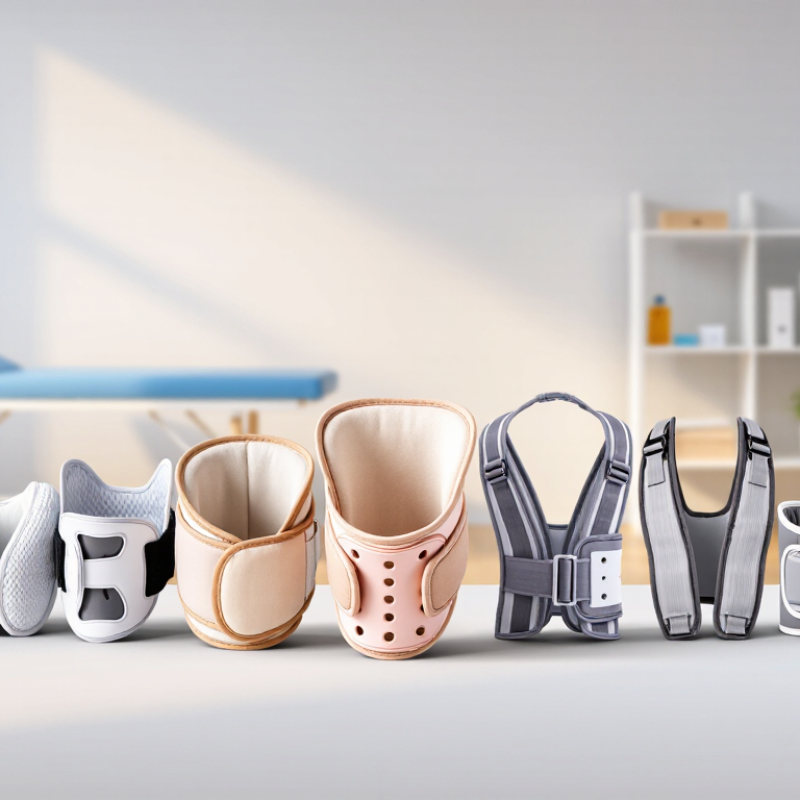
10 Best Neck Braces for Comfort and Support
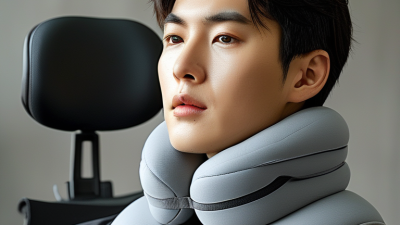
A neck brace is a wearable support that limits cervical movement. It may reduce painful bending, rotation, or sudden jolts. Soft collars offer gentle reminders and warmth. Firm collars provide stronger motion control, but they can feel restrictive. The support should fit beneath the jaw without pressing into the throat. Two fingers should slide comfortably between the brace and skin.
The Global Burden of Disease 2019 analysis identified neck pain as a major contributor to years lived with disability worldwide. This helps explain why many people seek temporary support. However, a brace does not repair muscles, discs, or nerves. It mainly changes movement while tissues recover or receive medical care. Clinical guidance commonly favors short-term use when a healthcare professional identifies a clear need. Prolonged wear may encourage stiffness, weakness, or dependence.
Comfort is more than soft padding. The brace should keep the head level, avoid rubbing the collarbones, and allow easy breathing and swallowing. Check the skin after removing it. Red marks that remain may signal excessive pressure. Numbness, arm weakness, severe headache, or worsening pain requires prompt medical assessment. I once assumed a tighter fit meant better support. It did not. The safest choice matches the injury, wearing time, and treatment plan, not just the strongest-looking design.
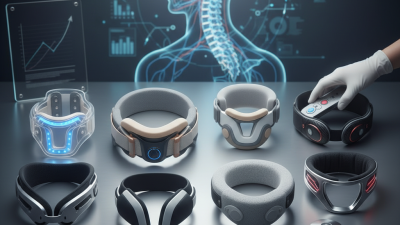
Neck braces are not interchangeable. A soft foam collar offers gentle warmth and movement reminders. It may suit short-term soreness or travel, but it should not replace clinical assessment. Rigid cervical collars limit motion more strongly. Clinicians may use them after certain injuries, procedures, or suspected instability. Philadelphia-style collars provide firmer front and back support. They can also create pressure under the jaw, so sizing matters.
Adjustable collars help users fine-tune height and fit. Inflatable travel braces add temporary support during long journeys. Posture braces are different. They mainly cue the shoulders and upper back, rather than immobilizing the neck. Traction devices apply pulling force and require professional guidance. Children need specially fitted devices, not smaller adult collars. That mistake seems obvious, yet it still happens.
The World Health Organization reports that musculoskeletal conditions affect about 1.71 billion people worldwide, with neck pain among the common problems. Global Burden of Disease research also identifies neck pain as a major source of disability. These figures support careful use, not automatic bracing. Prolonged immobilization may increase stiffness and weaken supporting muscles. A 2020 systematic review in the Journal of Physiotherapy found limited evidence for routine cervical collars in uncomplicated neck pain. Check skin redness, numbness, swallowing difficulty, or breathing changes. Stop and seek medical advice if they appear. Comfort matters, but fit and diagnosis matter more.
Choosing a comfortable neck brace starts with the reason you need one. Neck pain after a minor strain may require different support than recovery after a procedure. A healthcare professional can help identify the safest style and wearing time.
Measure your neck while sitting upright, with your eyes level. The brace should support your jaw without pushing it upward. You should breathe, swallow, and speak comfortably. Check the edges near your chin and collarbone. Red marks that remain after removal suggest excessive pressure. Soft foam may feel pleasant, but firmer support can limit movement more effectively. Adjustable closures help, especially when swelling changes during the day.
Comfort matters.
Look for breathable materials if you expect long wear. Sweat trapped under padding may irritate the skin. Remove the brace as directed and inspect your skin each time. Do not sleep in it unless a qualified clinician recommends that use. Numbness, increasing weakness, severe pain, trouble breathing, or loss of balance needs prompt medical attention.
One easy mistake is choosing maximum stiffness. More support is not always better. A brace that restricts too much movement can weaken neck muscles or create new discomfort. I would not rely on online sizing alone; individual anatomy varies, and fitting advice can prevent avoidable problems. Check the care instructions, fastening quality, and whether you can adjust the brace without help.
This comparison uses a practical 1–5 scale based on common brace construction, adjustability, breathability, and motion restriction. Comfort and support can vary by fit, condition, and intended use.
Soft foam and memory-foam designs generally prioritize comfort and light support, while rigid collars and cervical immobilizers provide stronger motion restriction with lower comfort for extended wear. Choose a brace that matches your medical needs and consult a healthcare professional when pain, numbness, weakness, or injury is involved.
When comparing neck braces, start with the support level, not appearance. A rigid brace limits movement more strongly, while a soft collar offers comfort during short periods. The right choice depends on the injury, posture, and clinical advice. CDC National Health Interview Survey data consistently place recent neck pain in the high-teens among U.S. adults. That makes fit and usability important, not cosmetic details.
Check the brace height against your neck length. Your chin should rest comfortably without pressure on the throat. Look for adjustable closures, stable side panels, breathable fabric, and washable covers. A useful brace should support the head without forcing your shoulders upward.
It should also allow safe breathing, swallowing, and skin inspection. The Agency for Healthcare Research and Quality emphasizes patient-centered device selection, including comfort, function, and adherence. A brace that causes sweating or rubbing may be removed too often. That weakens its practical value. I sometimes overvalue firmness; stronger support is not automatically better.
Tips: Test the brace while seated and standing. Check whether it shifts when you turn slowly. Measure your neck carefully, because sizing charts can vary. Ask a qualified clinician how long to wear it. Stop if you notice numbness, worsening pain, breathing difficulty, or skin damage. Keep the packaging and care instructions. Small details matter.
A neck brace should feel supportive, not punishing. Before wearing one, check the fit while sitting upright with your shoulders relaxed. The brace should keep your head gently aligned without pressing into your throat or jaw. You should breathe, swallow, and speak comfortably. Two fingers should fit beneath the edge, but excessive movement suggests poor support. Follow the instructions from a qualified clinician, especially after an injury or procedure.
Short wearing periods are often easier to tolerate than continuous use. Remove the brace only as advised, and avoid sleeping in it unless a healthcare professional recommends that practice. Do not drive, cycle, or operate machinery if neck movement or vision is restricted. Watch for numbness, increasing pain, skin discoloration, dizziness, or weakness. Stop using it and seek medical advice if these symptoms appear.
Keep the brace clean and dry. Wash removable fabric parts with mild soap, then air-dry them fully before use. Inspect the fasteners, padding, and edges each day. Small tears matter. Sweat and trapped moisture can irritate skin, so check under the brace after several hours. A brace may reduce movement, but it cannot correct every neck problem or replace rehabilitation. Long-term use without professional guidance may weaken neck muscles or create stiffness. I have found comfort can be misleading; less pain does not always mean the injury has healed. Reassessment matters when symptoms persist.
| Rank | Neck Brace Type | Typical Support Level | Common Use | Comfort Features to Look For | Safe Wearing Practices | Care and Cleaning | Potential Limitations |
|---|---|---|---|---|---|---|---|
| 1 | Soft Foam Cervical Collar | Light support; limits some neck movement | Short-term comfort during minor neck strain or temporary muscle soreness | Breathable cover, rounded edges, adjustable hook-and-loop closure, and correct height | Use for brief periods unless a healthcare professional advises otherwise. Keep the airway clear and avoid excessive tightness. | Remove the cover if washable, follow the care label, air-dry fully, and inspect the foam for loss of shape. | May weaken neck muscles or increase stiffness when worn for extended periods. It does not stabilize a serious injury. |
| 2 | Memory-Foam Support Collar | Light to moderate support | Resting, travel, or sleep-related comfort when a clinician has confirmed that a collar is appropriate | Contoured foam, moisture-wicking fabric, smooth seams, and a non-irritating chin rest | Choose a size that supports the chin without forcing the head upward. Stop using it if breathing, swallowing, or skin comfort is affected. | Use a removable washable cover when available. Spot-clean foam and allow it to dry completely before reuse. | Can feel warm and may not fit all neck shapes. It is not suitable for suspected fractures or major trauma without medical direction. |
| 3 | Adjustable Cervical Collar | Moderate support; fit can be customized | Posture-related discomfort or short-term support prescribed after evaluation | Multiple height settings, secure fasteners, padded contact areas, and clear adjustment markings | Adjust while the head is in a neutral position. The collar should be snug but should not cause numbness, skin discoloration, or pressure at the jaw. | Clean plastic parts and fabric according to the manufacturer’s instructions. Check straps and fasteners regularly. | Incorrect adjustment can cause pressure, restricted swallowing, or poor alignment. It should not replace professional assessment. |
| 4 | Rigid Cervical Collar | High support; substantially restricts movement | Clinically directed immobilization after certain neck injuries or procedures | Firm front and back panels, adequate ventilation, smooth padding, and a properly fitted chin support | Use only when prescribed or fitted by a qualified professional. Do not alter the brace or remove it after trauma unless instructed. | Clean skin-contact surfaces regularly and keep padding dry. Inspect for cracks, loose parts, or compressed padding. | May cause pressure sores, heat buildup, swallowing difficulty, or breathing problems if poorly fitted. It is not appropriate for casual self-treatment. |
| 5 | Posture Support Neck Brace | Light support; encourages neutral positioning | Temporary reminders to reduce forward-head posture during desk work or screen use | Lightweight construction, soft shoulder contact points, adjustable tension, and unrestricted arm movement | Combine short wearing periods with movement breaks and ergonomic adjustments. Do not rely on it continuously to hold the head upright. | Wash fabric components as directed and allow them to dry before wearing. Check elastic sections for overstretching. | It cannot correct structural spinal problems and may encourage dependence or muscle deconditioning if overused. |
| 6 | Neck Traction Device | Variable support; applies gentle pulling force rather than simple immobilization | Selected cases of neck pain or nerve-related symptoms under professional guidance | Stable head support, gradual force adjustment, secure straps, and easy pressure release | Use only after receiving appropriate instructions. Stop immediately for increased pain, dizziness, headache, weakness, numbness, or visual changes. | Wipe contact surfaces after use and inspect straps, hooks, and adjustment mechanisms for wear. | May worsen some conditions and is not suitable for everyone, including certain injuries, instability, or vascular and neurological problems. |
| 7 | Heat-Retaining Neck Wrap | Minimal mechanical support; mainly provides warmth | Temporary muscle relaxation and comfort for mild muscular tension | Soft fabric, even weight distribution, adjustable closure, and a removable heat insert | Use gentle heat only and follow the heating instructions. Limit exposure time, avoid sleeping in it, and check skin frequently. | Wash the fabric according to its care label. Keep heating inserts dry unless specifically designed for washing. | Heat does not stabilize the spine and may aggravate acute swelling or inflammation. Avoid excessive heat, especially with reduced skin sensation. |
| 8 | Cold-Therapy Neck Wrap | Minimal mechanical support; mainly provides cooling | Short-term relief for localized soreness or swelling when cold therapy is appropriate | Flexible cold pack, protective fabric barrier, even coverage, and an adjustable but nonrestrictive closure | Wrap cold packs in fabric and use short sessions with breaks between applications. Never place frozen material directly on the skin. | Wipe and dry the cover after use. Inspect the pack for leaks, tears, or hardening before each application. | It does not immobilize the neck. Excessive cold can cause skin injury, and cold therapy may be unsuitable for people with impaired circulation or sensation. |
| 9 | Travel Neck Support Pillow | Minimal support; helps maintain a more comfortable position | Air travel, car journeys, or seated rest when the head tends to fall sideways or forward | Washable cover, supportive but compressible filling, breathable fabric, and a shape that does not push the head forward | Keep the head aligned without forcing the chin toward the chest. Adjust seat position and take regular movement breaks during long trips. | Remove and wash the cover as directed. Air out the inner filling and replace the pillow if it becomes permanently flattened. | It is not a medical immobilizer and may worsen forward-head posture if too thick or worn incorrectly. |
| 10 | Postoperative or Custom-Fit Cervical Orthosis | Moderate to high support; tailored to a specific clinical need | Recovery after selected procedures or injuries when prescribed by a clinician | Professional fitting, customized contours, pressure-relieving padding, and easy access for skin checks | Follow the exact wearing schedule and positioning instructions. Do not modify the orthosis or stop wearing it without medical approval. | Perform regular skin checks, clean contact areas as instructed, and report damaged padding or hardware promptly. | More expensive and restrictive than basic collars. It may cause skin irritation or stiffness and requires professional follow-up. |