2026 Best Back Braces for Maximum Support and Comfort?
When it comes to alleviating back pain, "Back Braces" have become an essential tool for many. Dr. Sarah Thompson, a renowned physical therapist, states, “The right back brace can offer needed support, but it's not a cure-all.” Her insight highlights the importance of understanding the limitations and benefits of these devices.
Choosing the best back braces for 2026 means focusing on comfort, durability, and effectiveness. With a wide variety on the market, users must navigate options that provide reliable support. Many make the mistake of settling for the first brace they find. It's critical to assess individual needs and activity levels.
Back braces should complement a comprehensive treatment plan, not replace physical therapy or exercise. A common oversight is ignoring the need for movement and strength training during recovery. As we delve into the best back braces available this year, consider how they fit into your overall wellness strategy. Personalization is key to finding the right back support for you.
Overview of Back Braces: Types and Their Functions
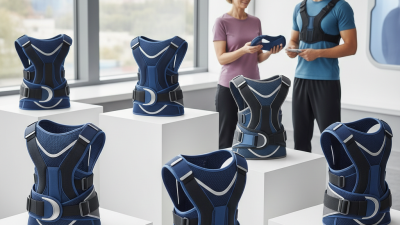
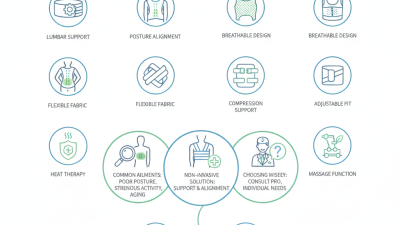
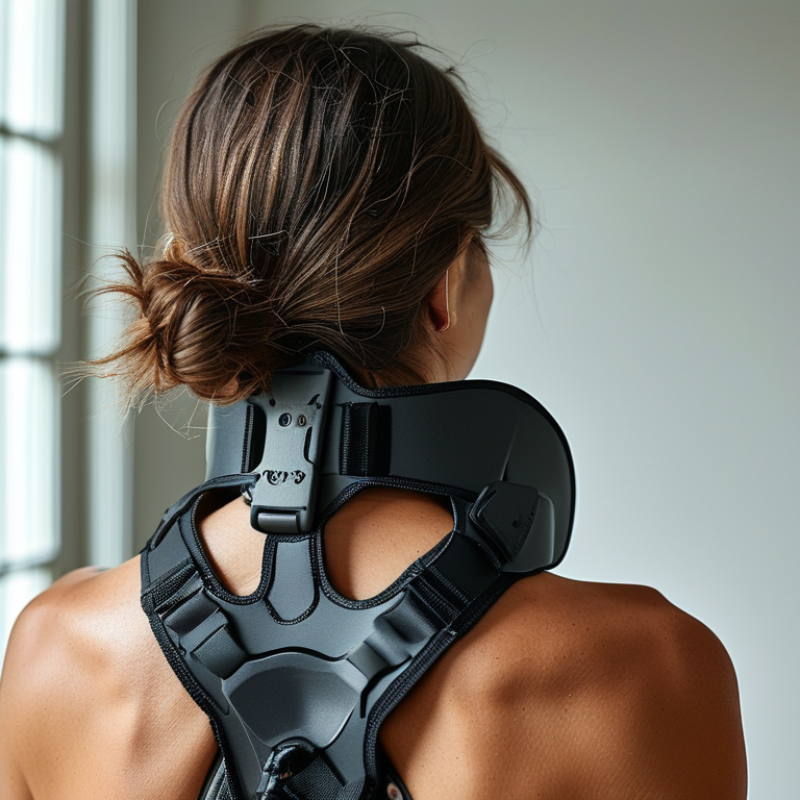
Back braces come in various types, each designed for specific purposes. Understanding these options can help individuals choose the right one for their needs. The most common types include rigid, semi-rigid, and soft braces. Rigid braces provide strong support for serious injuries. They limit movement and help in healing. Semi-rigid braces offer moderate support. They are ideal for recovery after surgery. Soft braces, on the other hand, are more flexible. They provide compression but allow more mobility.
Each back brace serves a unique function. Rigid braces immobilize the spine and reduce pain. Semi-rigid options allow for some movement while still supporting the injured area. Meanwhile, soft braces can improve posture and alleviate discomfort during daily activities. It’s crucial to assess your condition before choosing a brace. Consulting with a healthcare professional is always recommended. They can provide guidance based on personal health needs.
Many users find back braces helpful for everyday tasks. However, some feel restricted by rigid designs. Adjusting to a brace can take time. It's vital to give your body a chance to adapt. Wear the brace for short periods initially, gradually increasing the duration. Each person’s experience can vary. Listening to your body is key in achieving maximum support and comfort.
2026 Best Back Braces for Maximum Support and Comfort
| Type of Back Brace |
Primary Function |
Support Level |
Comfort Features |
| Lumbar Support Brace |
Stabilizes the lower back |
Medium |
Adjustable straps, breathable fabric |
| Full Back Brace |
Provides complete back support |
High |
Padded, contoured design |
| Posture Corrector |
Encourages proper posture |
Low to Medium |
Lightweight, discreet design |
| Brace with Thermal Support |
Provides heat therapy |
Medium |
Flexible, moisture-wicking material |
| Sports Back Support |
Stabilization during physical activity |
High |
Ergonomic fit, adjustable compression |
Key Features to Consider When Choosing a Back Brace
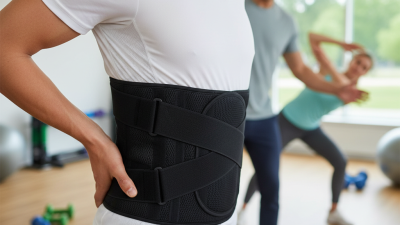
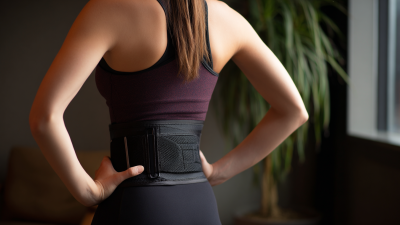
Choosing the right back brace involves considering several vital features. First, look for adjustable straps. They allow for a customized fit, ensuring optimal support. A well-fitted back brace should feel secure without being too restrictive. Breathable materials also matter. Look for a fabric that allows airflow. A good quality brace maintains comfort during prolonged wear.
Next, consider the level of support needed. Some braces are designed for light support, while others provide more structure. If your activities include heavy lifting or intense workouts, choose a brace with reinforced support. Remember that overly rigid braces can limit movement. Finding a balance between support and flexibility is key.
Finally, think about the size and style. Many braces come in different sizes. Make sure to measure your waist and back for the perfect fit. Additionally, choose a style that suits your lifestyle. Some are discreet and can be worn under clothing. Reflecting on your daily routine can guide your choice. A brace that fits well and feels comfortable can significantly impact your back health.
2026 Best Back Braces for Maximum Support and Comfort
Top 2026 Back Brace Brands for Unmatched Support
When it comes to back health, finding a supportive brace is crucial. Many leading brands have focused on creating products that prioritize comfort and support. Factors like materials, design, and adjustability play significant roles in effectiveness. Look for options that cater to your specific needs, whether that’s for postural support or pain relief.
Tips: Always consider the fit. An ill-fitting brace can lead to discomfort. Choose a brace that allows for movement but provides firm support. Reading user reviews can help gauge reliability. Don't hesitate to try different options until you find the right one.
Additionally, the level of support varies significantly among brands. Some offer rigid designs, while others utilize flexible materials. Experimenting can be key. Reflect on how your body responds to different types. Remember, alignment and posture are as important as the brace itself. Regularly assess your routine to ensure you’re maximizing benefits.
User Reviews and Experiences with Popular Back Braces
Back braces have gained popularity for providing support and comfort to those suffering from back pain. User reviews often highlight their effectiveness in reducing discomfort during daily activities. According to a study by the American Chiropractic Association, approximately 31 million Americans experience lower back pain at some point. Many individuals report relief when using back braces, especially while lifting heavy objects or during extended periods of sitting.
However, experiences can vary significantly. Some users find back braces cumbersome and restrictive. A survey revealed that 45% of users stopped wearing them after a few weeks due to discomfort. This raises questions about long-term wearability and effectiveness. Proper fit is crucial; a brace that is too tight can cause chafing, while a loose one offers inadequate support.
User feedback also emphasizes the importance of material choice. Breathable fabrics are preferred by many, especially for all-day use. While a back brace can provide temporary relief, it should not replace physical therapy or exercise. A physical therapist's insight can help ensure that a brace complements treatment rather than inhibits recovery. Balancing support and mobility remains a challenge, making user reviews an invaluable resource for potential buyers.
Maintenance Tips for Prolonging the Life of Your Back Brace
Back braces provide essential support for those with back issues. Proper maintenance helps prolong the life of these devices. Regular cleaning is vital. Use a gentle detergent and cold water for cleaning fabric parts. Avoid using bleach. Always air dry to prevent damage from heat.
Check the adjustable straps frequently. They can wear out with time. Ensure they remain secure and adjust them for a comfortable fit. Inspect the brace regularly for any signs of wear and tear. Look for frayed edges or weakened materials. If you notice significant damage, it may be time for a replacement.
Storing your back brace correctly is just as important. Keep it in a cool, dry place when not in use. High humidity can lead to mold growth. Be wary of how you store it, as folding can cause creasing. Remember, a neglected brace may not provide optimal support. Take the time to care for it and ensure it serves you well.