Top 10 Benefits of Using Ankle Braces for Injury Prevention and Recovery?
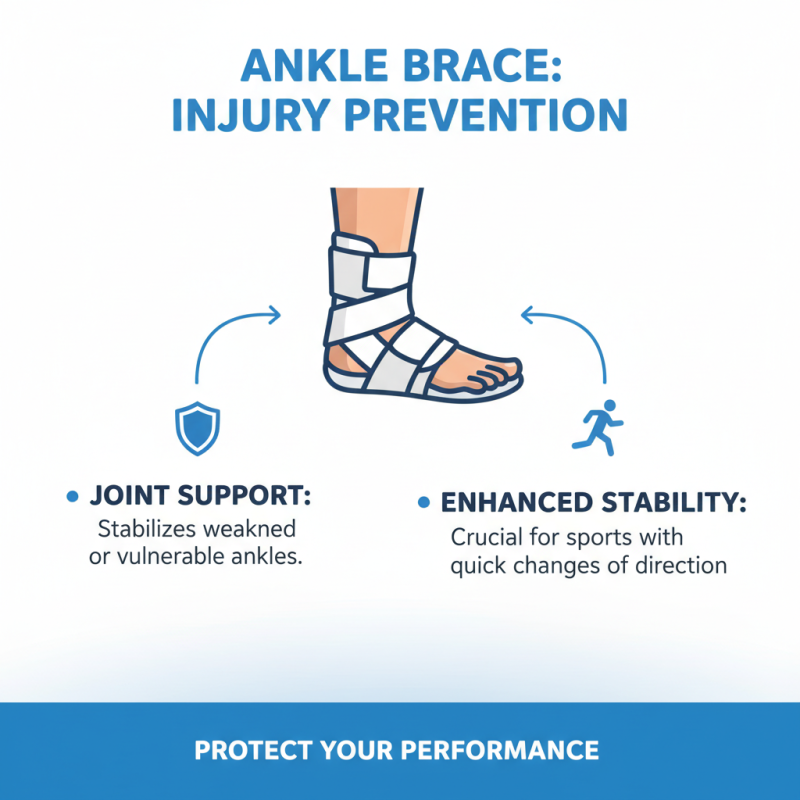
In the world of sports and physical activities, injuries are an ever-present concern, particularly in the ankle region. According to a report from the National Athletic Trainers' Association, ankle sprains account for about 25% of all sports-related injuries. This statistic highlights the importance of preventive measures, such as the use of ankle braces. Ankle braces provide support and stability, helping to mitigate the risk of injuries during high-impact activities.
Expert in sports medicine, Dr. Jason Smith, emphasizes the value of ankle braces for athletes. He states, "Wearing ankle braces can significantly reduce the incidence of ankle injuries, fostering quicker recovery and improved performance." This perspective aligns with recent studies suggesting that athletes who use ankle braces experience lower rates of re-injury and enhanced rehabilitation outcomes.
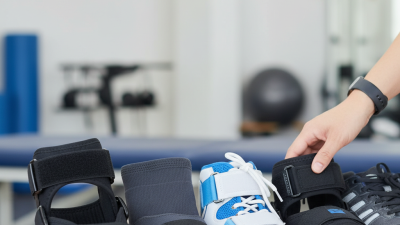
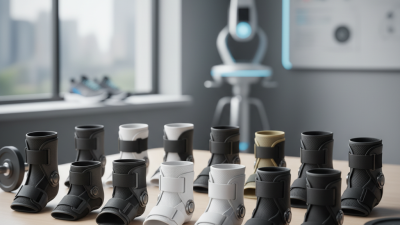
Ankle braces come in various styles tailored to specific needs. Some offer rigid support, while others provide mild compression. However, relying solely on these devices without proper training and conditioning can lead to overconfidence, increasing the risk of injury. Balancing brace use with appropriate strength and flexibility exercises is crucial for the best results.
Understanding Ankle Injuries: Common Types and Causes
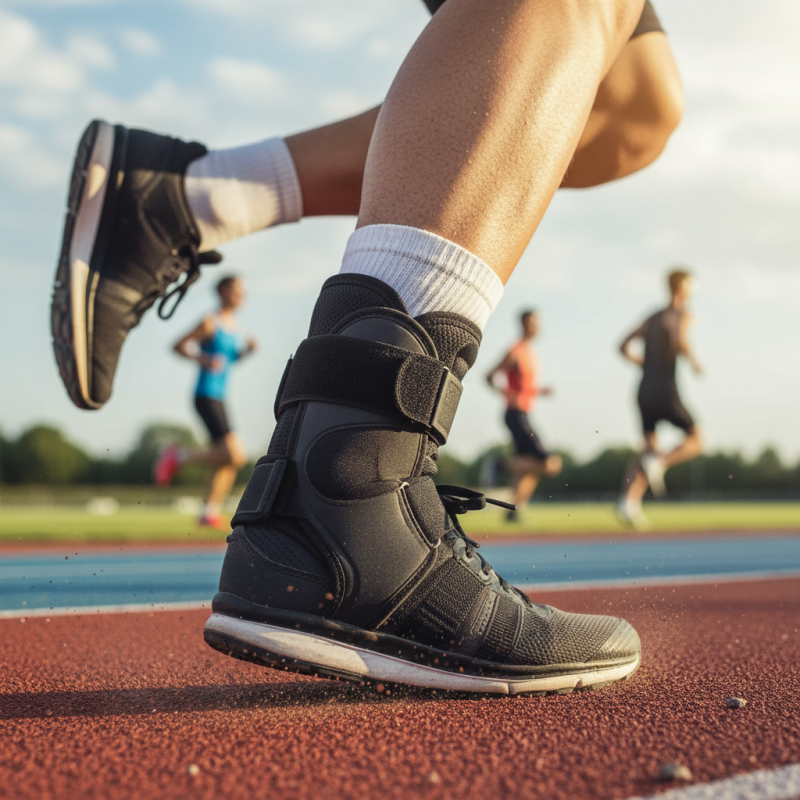
Ankle injuries often disrupt daily activities. They can happen to anyone, whether during sports or simple walks. Common types of these injuries include sprains, fractures, and tendon injuries. Sprains occur when ligaments stretch too far. Fractures, on the other hand, involve breaks in the bones of the ankle. Tendon injuries happen due to overuse or strain. Understanding these injuries can help in preventing them effectively.
Tips: Always wear proper footwear. Supportive shoes provide the right stability. Strengthening exercises can also be beneficial. Simple ankle exercises improve flexibility and balance. Avoiding uneven surfaces when walking can prevent many injuries too.
Injuries often arise from neglect. Many forget to warm up before physical activities, leading to strains. Overconfidence can cause athletes to push too hard, risking injury. Taking breaks is important, especially during prolonged activities. Reflecting on past ankle injuries can guide safer practices in the future. Pay attention to your body; it communicates when something is wrong.
Key Benefits of Ankle Braces During Recovery
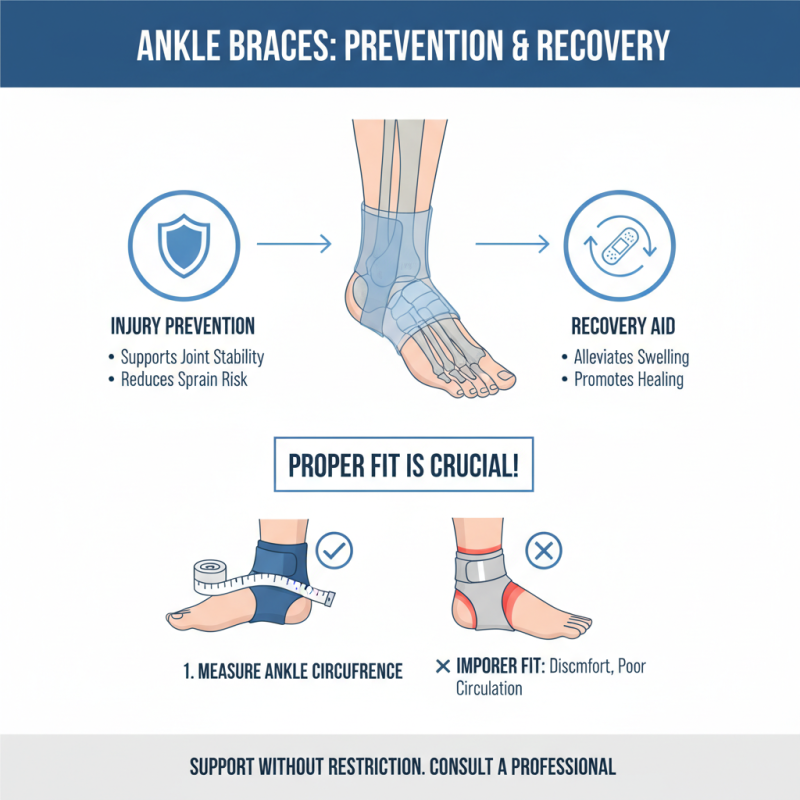
Ankle braces are essential in recovery from injuries. They provide stability and support to weakened joints. According to a study published in the Journal of Orthopaedic Research, using ankle braces can reduce the risk of re-injury by up to 50% in athletes. This significant reduction emphasizes their role in post-injury care.
These devices limit excessive movement of the ankle. They help maintain proper alignment and reduce swelling. A report from the American Journal of Sports Medicine shows that 40% of athletes who wore ankle braces during recovery reported faster return-to-play times. This highlights their effectiveness in speeding up the healing process.
However, some individuals may find braces uncomfortable or restrictive. This discomfort can lead to improper use, limiting their benefits. Finding the right fit is crucial for maximizing their supportive qualities. Ultimately, while ankle braces are helpful, user experience varies widely. Take the time to evaluate your comfort and make adjustments as needed.
Choosing the Right Ankle Brace for Your Needs
Choosing the right ankle brace involves understanding your specific needs. The type of activity you engage in plays a crucial role. Studies show that different sports put varying stress on the ankle. Basketball players often require a brace with more support due to rapid movements. A 2022 report by the Journal of Sports Medicine highlights that proper support can reduce the risk of ankle sprains by up to 50%.
Size and fit are essential factors. Ankle braces should fit snugly without restricting blood flow. Many people overlook this and choose a size based on appearance rather than measurement. A study published in the Journal of Physical Therapy demonstrated that poor fit can lead to discomfort and decreased performance. It's vital to assess your ankle's measurements.
Material also matters. Breathable fabrics enhance comfort during prolonged use. Some braces may restrict movement too much, leading to muscle stiffness in the long run. Users often don’t realize the necessity of regular assessments of their braces. Periodically checking for signs of wear is helpful. Ignoring these details can lead to further complications down the road. An informed choice can make all the difference in recovery and prevention.
Top 10 Benefits of Using Ankle Braces for Injury Prevention and Recovery